

Free written scope consultation - allowances, timeline, and change-order rules on paper before a single trade is scheduled
Mighty Buildings Home Additions & ADU: The Denton Owner’s Guide
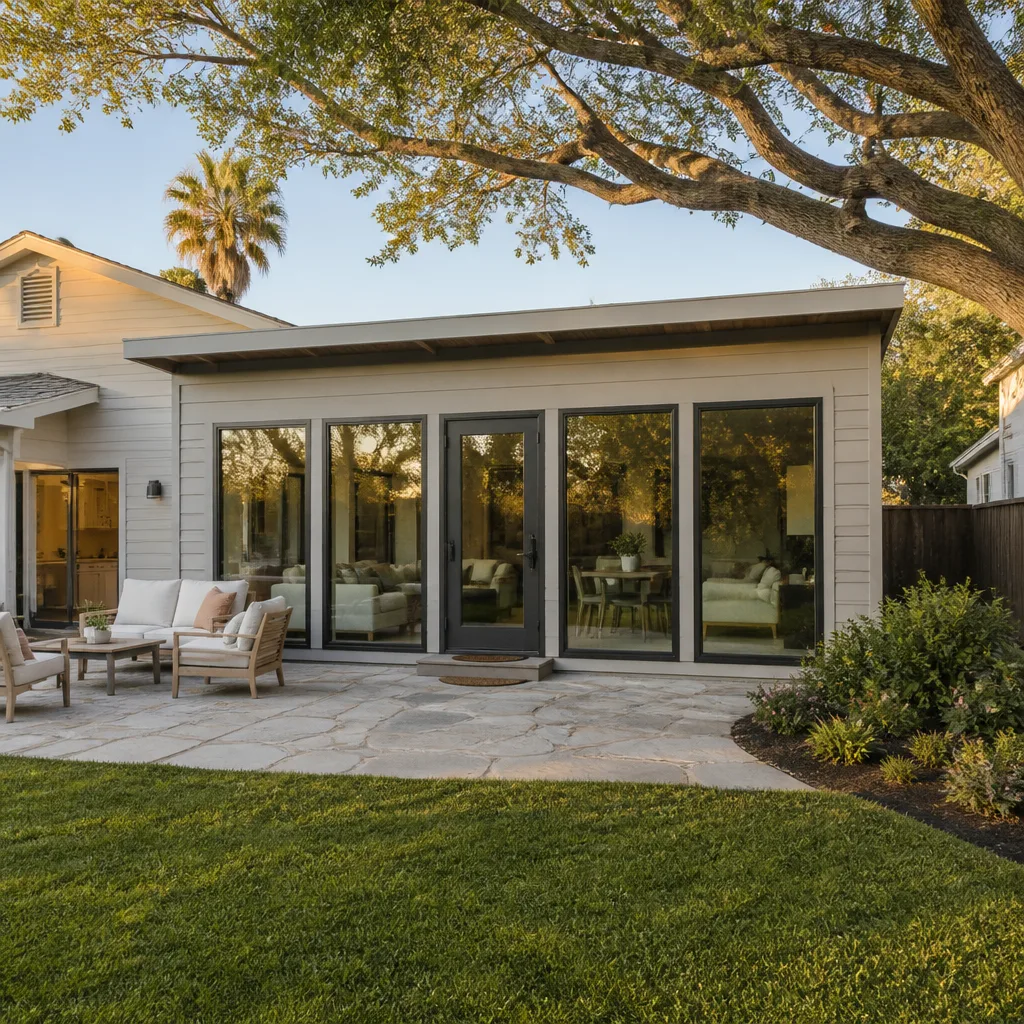
We handle home additions and ADU work on Mighty Buildings structures in Denton, and the honest answer up front is that these aren’t “parts” you swap like a garage spring. A Mighty Buildings addition or ADU is a prefabricated panel system, and what usually fails is the connection between it and the existing house: the foundation transition, the roof tie-in, the flashing at the panel joints, or the utility stub-outs. Installed work on a Denton addition typically runs $45,000 to $130,000, and an ADU build runs $90,000 to $220,000 depending on size and site. There’s no same-day swap here; this is planned construction, and we price it in writing before anything opens up.
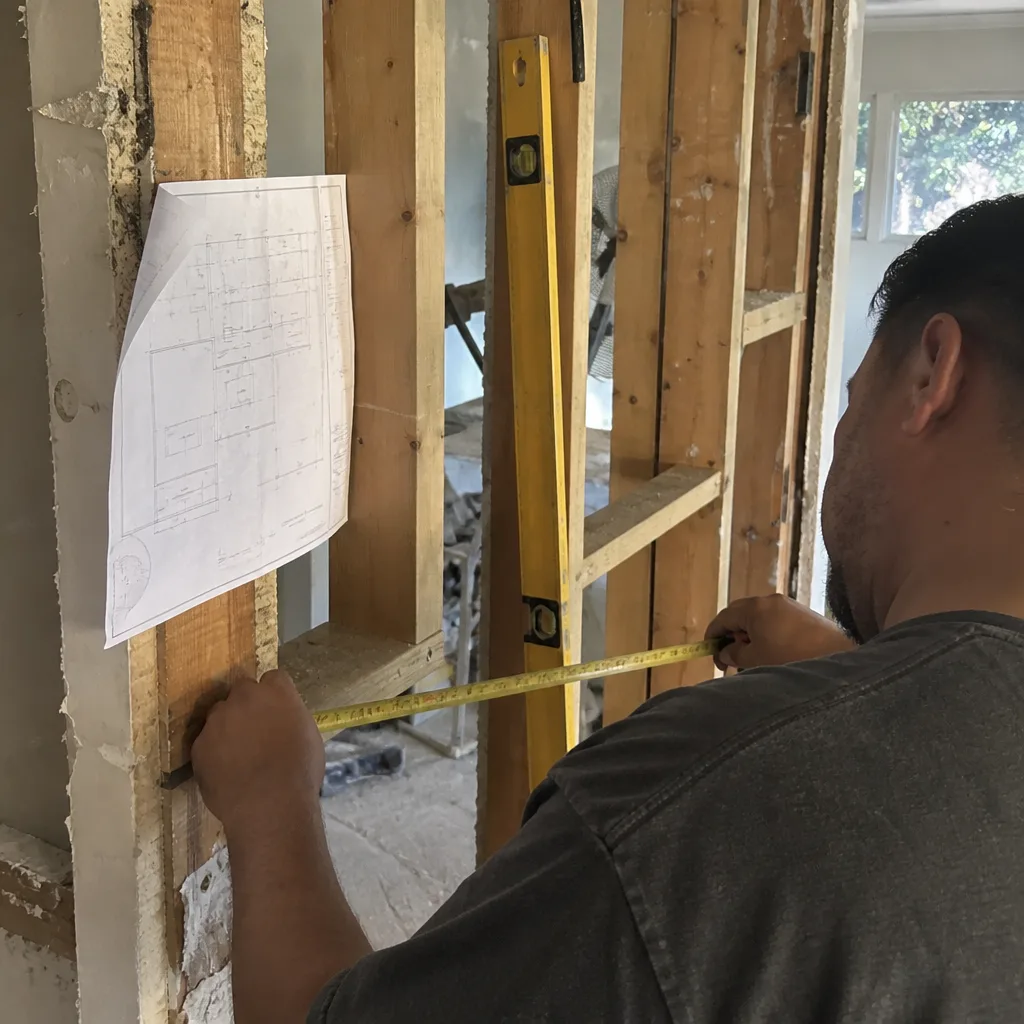
Owners usually find the problem the same way. A stain blooms on the ceiling where the panel line meets the original roof. The door on the addition starts sticking in August and won’t close right by October. Or the contractor who set the module didn’t flash the sill plate, and the first big Denton rain finds the gap.
We’re an independent contractor. Bradford Remodeling Co Denton is not affiliated with Mighty Buildings, and we don’t claim to be. What we do is correct and finish the work so the structure performs the way it was designed to.
Which Mighty Buildings Models This Applies To
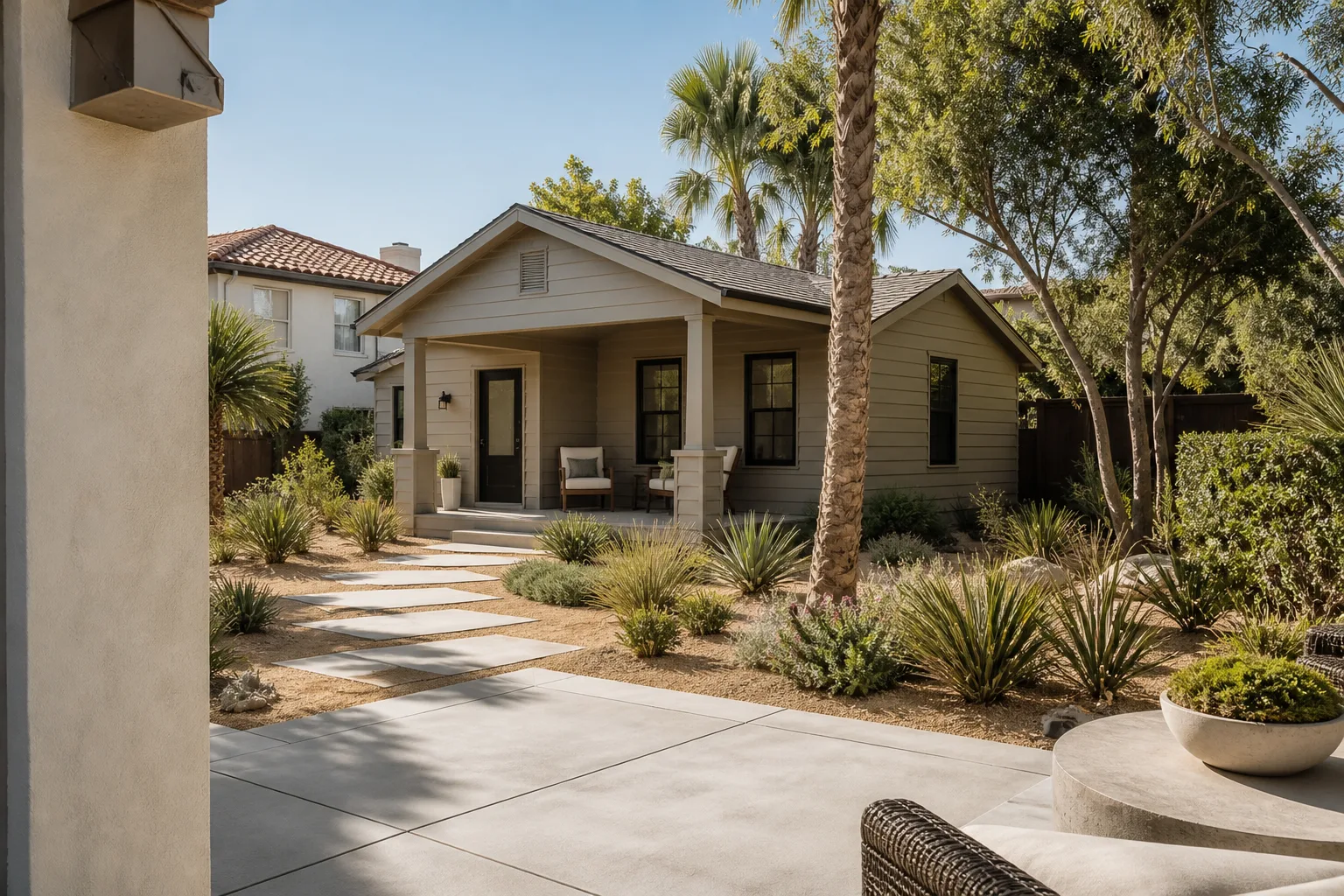
Mighty Buildings builds with a 3D-printed composite panel system, and the panel-to-foundation and panel-to-roof junctions are where Denton owners end up calling us. The exact model line matters less than the joint details: the panel thickness, the sill connection spec, and how the roof assembly ties into the existing structure. We identify those from the build documents and the as-built measurements, not from a guess.
Here’s the compatibility gotcha that bites people: the printed composite panels expand and contract on a different curve than the wood framing of your original house. A flashing detail that works on a wood-to-wood transition can telegraph stress cracks at a wood-to-composite joint if the two aren’t detailed to move independently. On a Denton slab, that shows up first at the sill plate and the interior drywall seams nearest the panel line.
On OEM versus aftermarket: Mighty Buildings-specific connectors and panel trims should match the original spec where they’re structural. For trim, flashing membrane, and finish materials, documented aftermarket equivalents from manufacturers who publish real specs are a sound choice, and often the better one. We work with a documented roster of name-brand materials, including KraftMaid cabinetry, Cambria and Silestone surfaces, and the GAF and James Hardie exterior lines, so every specification is traceable. That matters on a prefab addition, because the finish is what the weather actually touches.
Styles & brands we work with
- Kitchen remodeling
- Bathroom remodeling
- Home additions & ADU
- Roofing
- Windows & doors
- Driveway & pavers
- Fence
Signs Your Mighty Buildings Home Additions & ADU Is Failing
- Water staining at the panel-to-roof junction. The roof tie-in flashing has failed or was never lapped correctly, so water tracks behind it into the framing and shows up on the ceiling or the top of the wall.
- Doors and windows that stick or won’t latch. The foundation transition has moved or settled unevenly, twisting the opening. On a Denton clay-heavy site, this often appears the first full season after the addition goes up.
- Hairline cracks along the drywall seams nearest the panel line. The two structures are moving at different rates because the joint wasn’t detailed to allow for independent movement.
- Cold floors or a draft at the perimeter wall. The insulation or air-seal at the panel joint has a gap, and the conditioned space is leaking to the exterior. It shows up as a draft at the baseboard and a floor that never warms.
- Visible gaps or soft spots at the sill plate. The panel-to-foundation connection has opened up, letting moisture in. This is the one you want eyes on fast, because it puts the load path and the structure’s water defense in question at the same time.
If you see soft wood or daylight at the sill connection, keep the area clear and get a trained professional out before you touch it. Load-bearing construction is not a DIY inspection. We check it the right way.
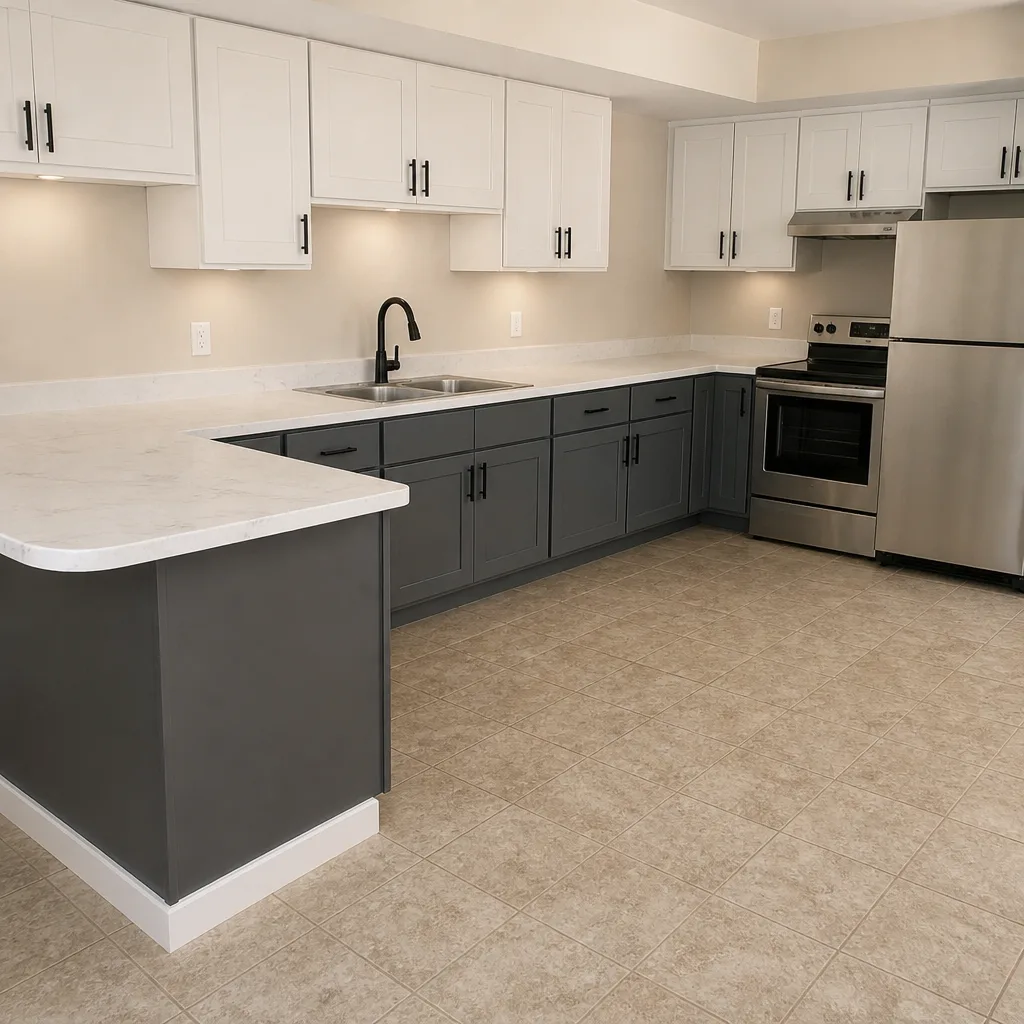
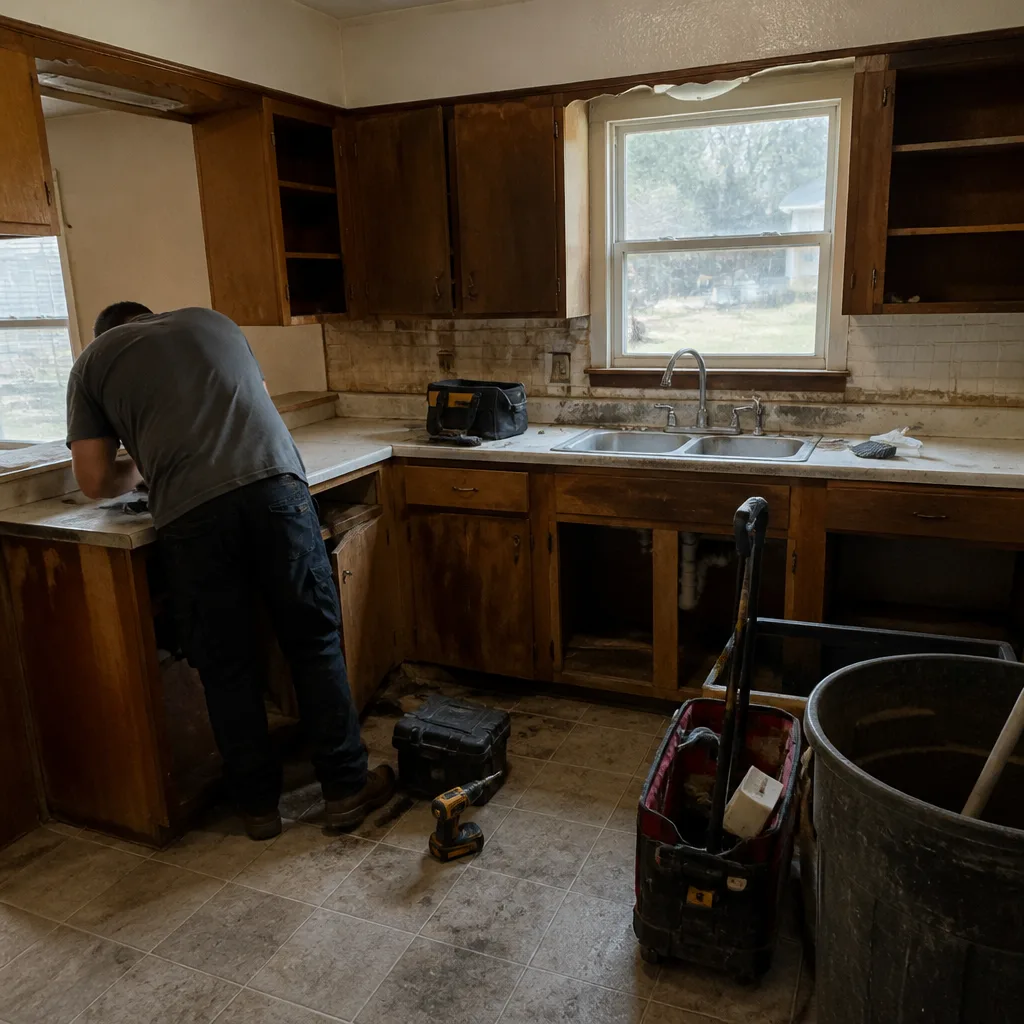
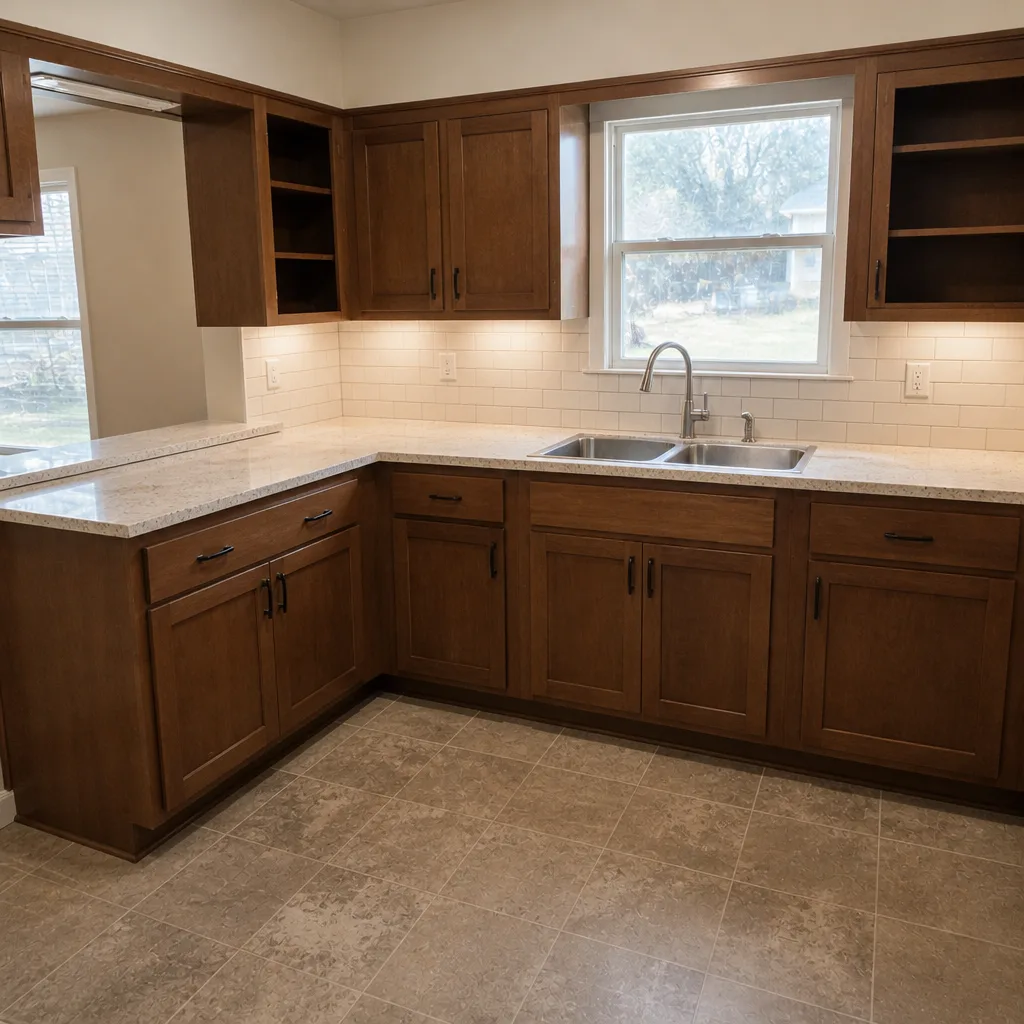
See the difference
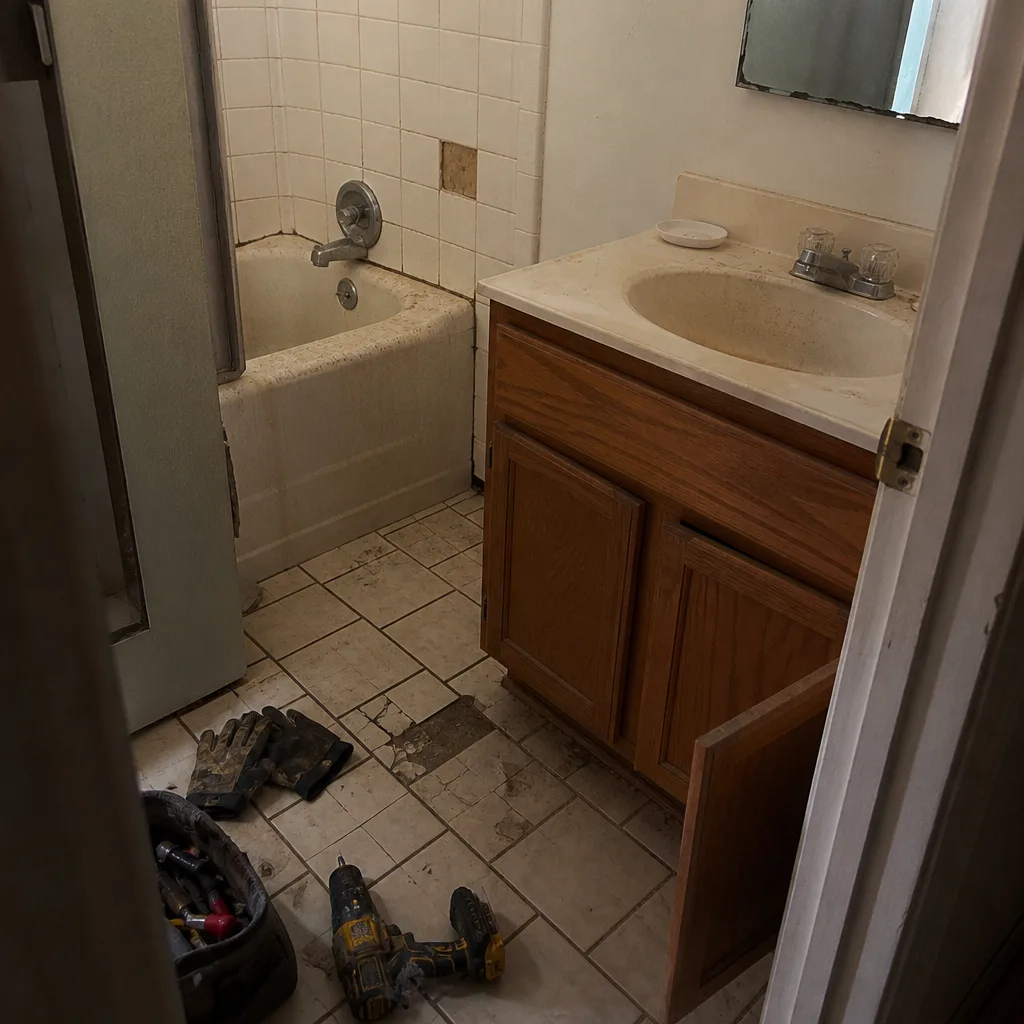 Before
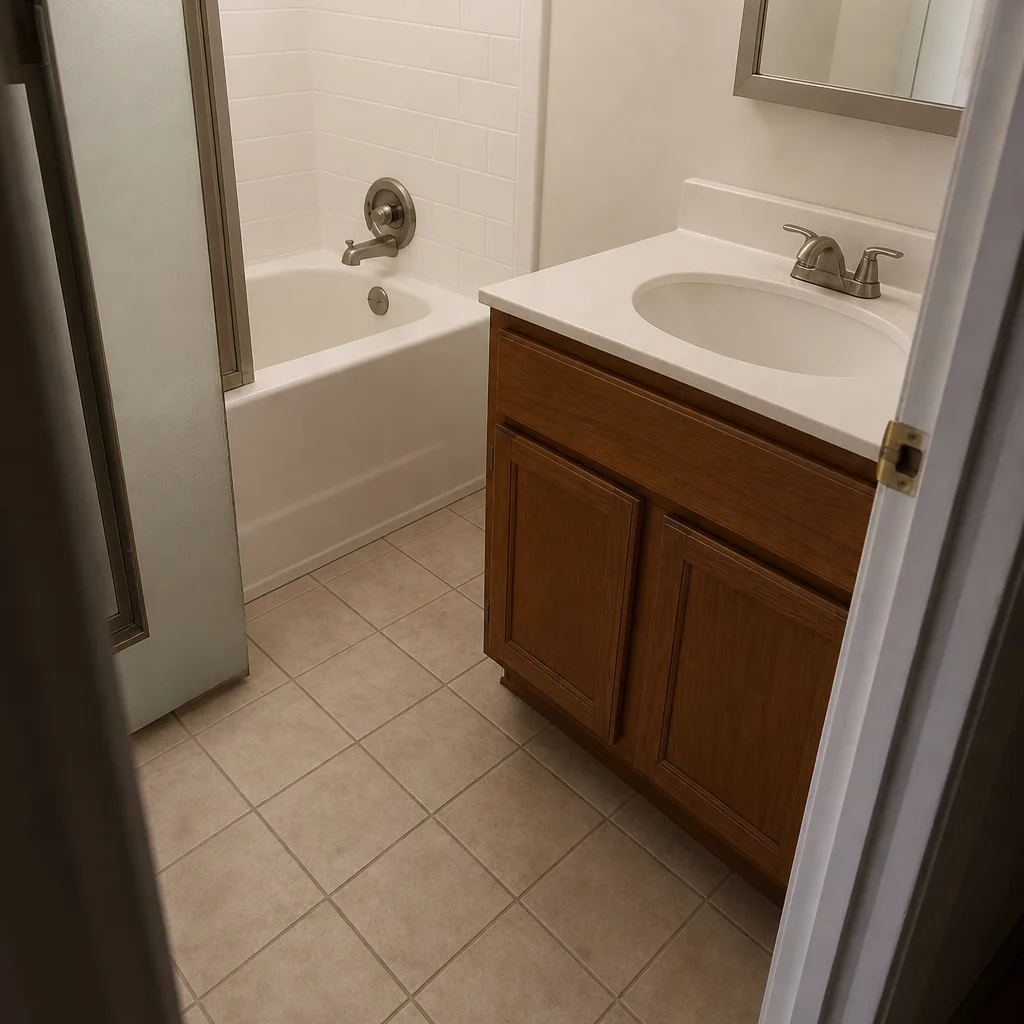 After
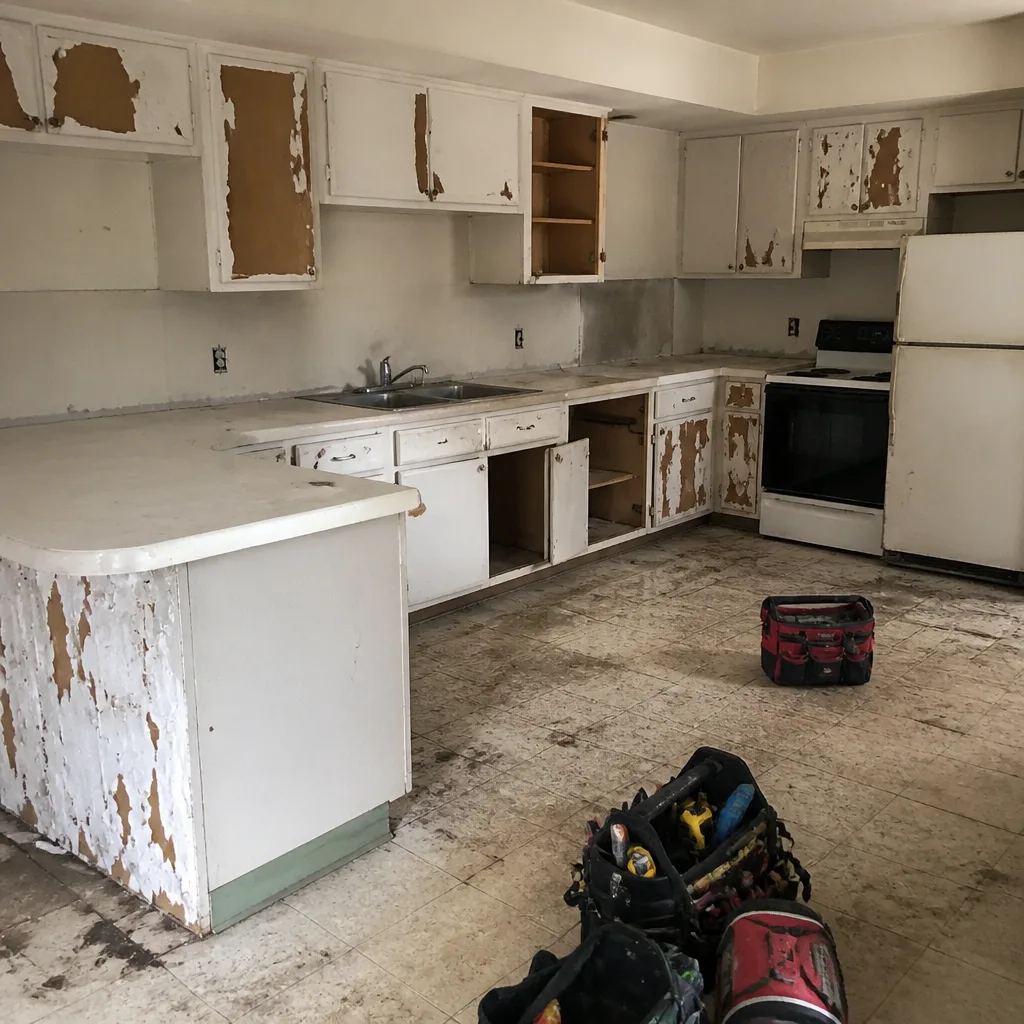 Before
 After
 Before
 After
Replacement Cost & What’s Included
For Denton, a home addition comes in at $45,000 to $130,000 and an ADU at $90,000 to $220,000. What drives the number: the size and configuration of the module, the condition of the existing foundation and utility runs, how much of the roof tie-in needs to be rebuilt, and site access for the exterior work.
Every project starts with a written price before work begins. No numbers that move at the door. The written scope spells out the flashing and joint repairs, the foundation transition work, the utility connections, the finish materials, and what’s excluded.
All completed work carries the 365-Day Done Right Promise: a full-year written guarantee. If the work fails within that window, we come back and correct it at no charge, and the guarantee is in your hand at close, signed, with the scope it covers.
DIY or Call Us?
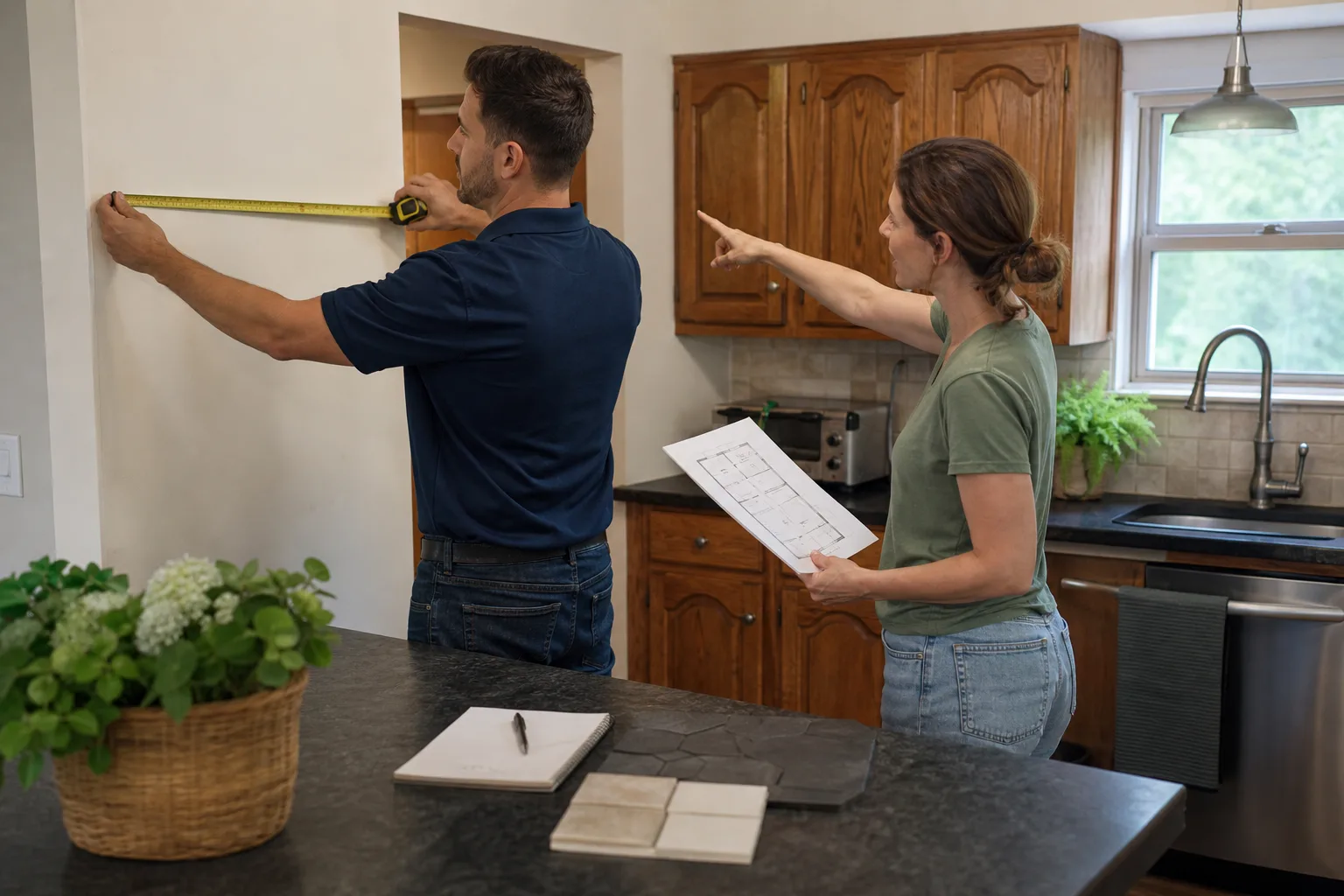
Some of this you can safely check yourself. Take a photo of the panel joint, note where the stain or gap is, and measure the door openings at the top and bottom to see how far they’re out of rack. That information helps us price accurately and saves you a diagnostic visit.
The parts you shouldn’t touch: anything on the load path, the roof tie-in flashing, and the utility connections. Reflashing a panel-to-roof junction wrong traps water inside the assembly and can turn a repair into a much larger rebuild. Working near the roof edge or opening a structural connection without shoring is a real hazard, and a mistaken repair there can void what’s left of any manufacturer coverage on the panel system.
Call (844) 651-3175 and a live person answers, day or night. We’ll set up a free estimate and give you the price in writing before anything starts.
FAQs
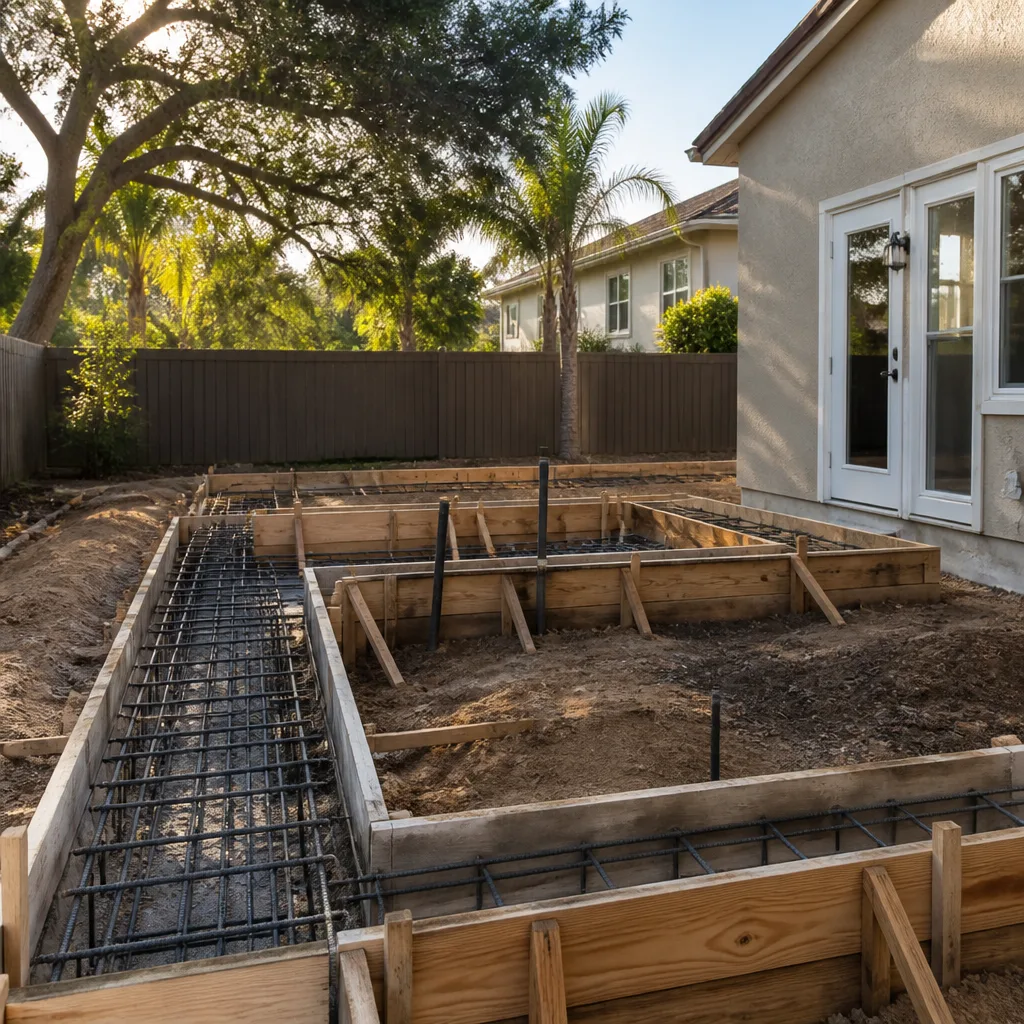
The structure itself is designed to last decades. What needs attention first is the weather seal at the panel joints and the roof tie-in, which in North Texas heat and summer storm cycles typically needs inspection within the first few years and resealing sooner at the sill plate if the site is clay-heavy. Call (844) 651-3175 for an inspection quote; estimates are free.
Often yes. Localized flashing and joint resealing fixes most panel-to-roof and panel-to-foundation issues when the soft wood and framing are still sound, and it’s substantially less than a rebuild. We don’t know until we see it, so the free estimate includes a real look at the joint. Get the written number before any work starts.
A localized joint and flashing repair is usually a few days of work; a foundation transition or roof tie-in rebuild runs longer. We put the schedule in the written scope so you know what’s happening on which day, and we don’t quote a timeline we can’t hold. Call (844) 651-3175 to schedule the estimate.
We identify the original build spec and match structural connectors to it, and we use documented aftermarket materials with published specs for trim, flashing, and finish. We don’t stock parts and we don’t carry inventory on a truck, so we source to your project and spec. Call (844) 651-3175 to talk through your Mighty Buildings addition or ADU in Denton.
Call Bradford Remodeling Co Denton at (844) 651-3175 for a free estimate on your Mighty Buildings addition or ADU. Every price comes in writing before the first tool comes out, background-checked technicians work the job, and every completed project carries the 365-Day Done Right Promise. We serve Denton and the surrounding communities, and a live person answers whenever you call.
Written by the team at Bradford Remodeling Co Denton, serving Denton and nearby areas.