

Free written scope consultation - allowances, timeline, and change-order rules on paper before a single trade is scheduled
James Hardie Fence Installation: The Denton Owner’s Guide
Installing a James Hardie fence in Denton typically runs $3500 – $9000 for a standard residential run, and because we’re a planned construction project, we schedule installs rather than promise same-day turnaround. That price covers engineered posts, framing, and the James Hardie-compatible plank system matched to your lot. Most Denton owners reach this page after they notice a sagging gate, a post that’s gone soft at the base, or planks that have started to cup after a wet spring. Those are the three failure modes we see most on fencing installed in North Texas clay and cottonwood soil.
James Hardie is best known for siding, so here’s the straight talk: James Hardie fencing is a fiber cement system, not vinyl and not cedar. Those are different materials with different failure modes, different fastener schedules, and very different lifespans in a Texas summer. If your existing fence is James Hardie fiber cement, this page is written for you.
Bradford Remodeling Co Denton is an independent service provider. We are not affiliated with James Hardie and don’t represent the brand. We install the system and we warranty the work through our 365-Day Done Right Promise.
Key Takeaways
- Typical installed James Hardie fence in Denton: $3500 – $9000, driven by linear feet, height, and post count.
- Fiber cement handles Denton humidity well, but poorly-set posts fail in clay soil within 5 – 8 years – post failure is the #1 phone call we get.
- Every project gets a written price before work begins, and every completed install carries a full-year written guarantee.
- Call (844) 651-3175 for a free estimate. A live person answers, any hour.
Which James Hardie Models This Applies To
James Hardie’s fiber cement fencing falls under the HardiePanel and HardiePlank family lines – panel-format sheets and plank-format boards respectively. Both are engineered fiber cement, both are pre-primed, and both are cut, fastened, and finished the same way. If your fence is built of fiber cement boards roughly 5/16 inch thick with a visible wood-grain texture on one face, you’re likely looking at a HardiePlank-family product. Panels come in sheet sizes closer to standard sheet goods – 4×8 and 4×9 – while planks ship in board lengths and widths that mimic lap siding dimensions.
To identify the exact product, look at the back of a board. James Hardie stamps or labels the back face on most production runs. If no stamp is visible, measure the thickness precisely. Fiber cement runs right around 5/16 inch (8mm); vinyl runs 0.045 – 0.055 inch and flexes noticeably; composite siding varies but usually shows a resin core at a cut edge. Thickness plus a crisp, dense edge tells you it’s fiber cement without needing the label.
OEM-vs-aftermarket matters here, and it matters more than most homeowners expect. James Hardie does not sell direct to homeowners, and it doesn’t sell fencing components as a standalone kit. Boards come through lumberyards and distributors, and the fasteners must be fiber-cement-rated – typically hot-dipped galvanized ring-shank or stainless. Standard drywall or deck screws pull out of fiber cement within a couple of seasons. We match the fastener to the board, not the other way around. That single substitution is behind a large share of the premature failures we’re called out to correct on fences across Denton.
Styles & brands we work with
- Kitchen remodeling
- Bathroom remodeling
- Home additions & ADU
- Roofing
- Windows & doors
- Driveway & pavers
- Fence
Signs Your James Hardie Fence Installation Is Failing
Fiber cement itself is tough. The failures we see are almost always in the connections, the substrate, or the post base – not the board. Five signs, five causes:
- Sagging or leaning posts. Denton’s blackland clay swells and shrinks dramatically with each wet-dry cycle. If posts were set too shallow or without proper concrete, the soil movement will rock them loose within a few seasons. Concrete from 12 – 24 inches below grade usually holds; anything less doesn’t.
- Soft or crumbling base at post contact points. Water pools at the ground line and wicks into the concrete collar. Once the post rots at the base, the whole run loses tension. A post-on-concrete footing with a standoff base is the fix; burying the post in soil is the cause.
- Cupped or bowed boards. Boards fastened too tight to the rail leave no room for thermal movement. North Texas swings from 20°F to 105°F can move fiber cement enough to cup if fasteners are over-driven or the planks are jammed against a stop.
- Rust streaks around fasteners. Wrong fastener – usually electro-galvanized or exterior drywall screws. Fiber-cement-rated fasteners are what the manufacturer specifies, and anything else will leave rust bleed within 24 – 36 months in our humidity. The correct fastener is a ring-shank, hot-dipped galvanized or stainless screw.
- Visible gaps at joints or a gate that won’t latch. Rarely a plank problem; almost always a shifted post or a rail block that’s come loose. A gate that drags or pops open is your first real warning the framing underneath has moved.
If any of those are on your fence right now, call (844) 651-3175 to get it looked at before the next storm season. Estimates are free.
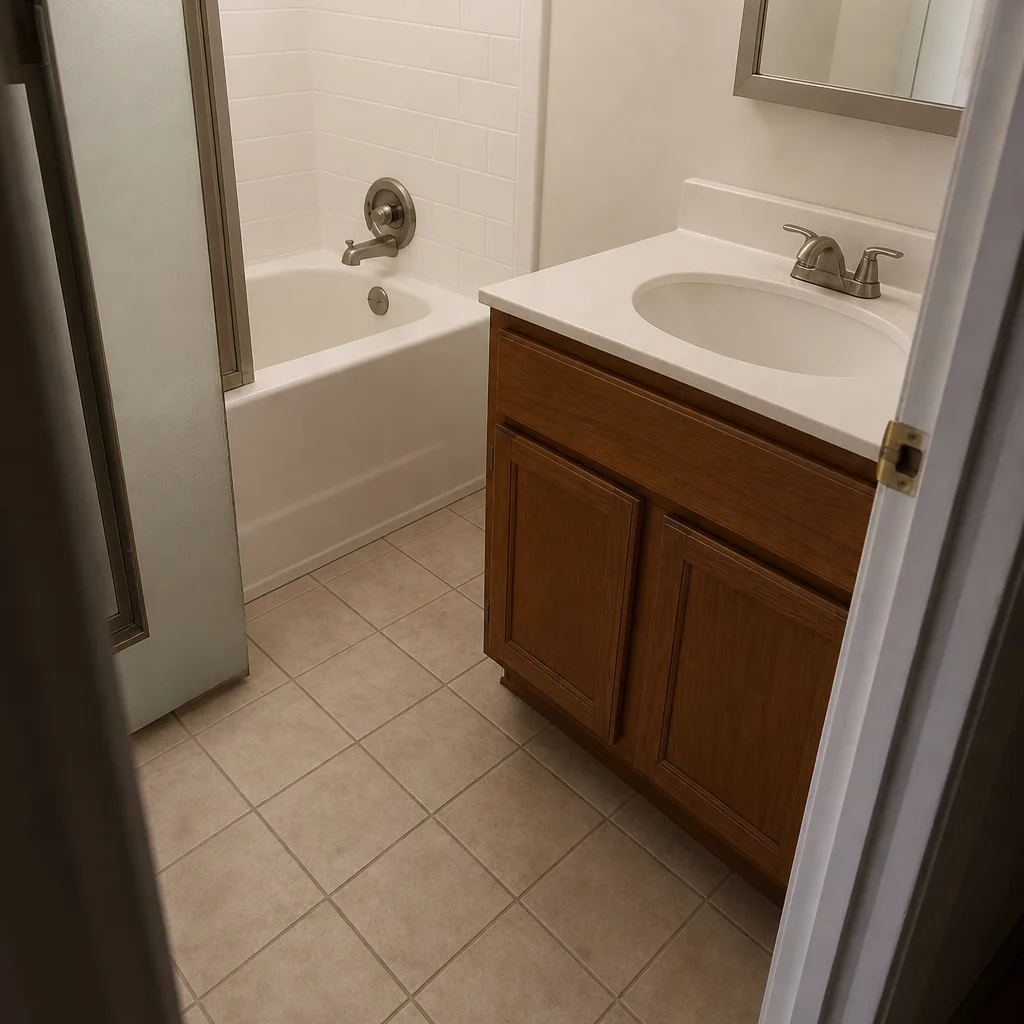
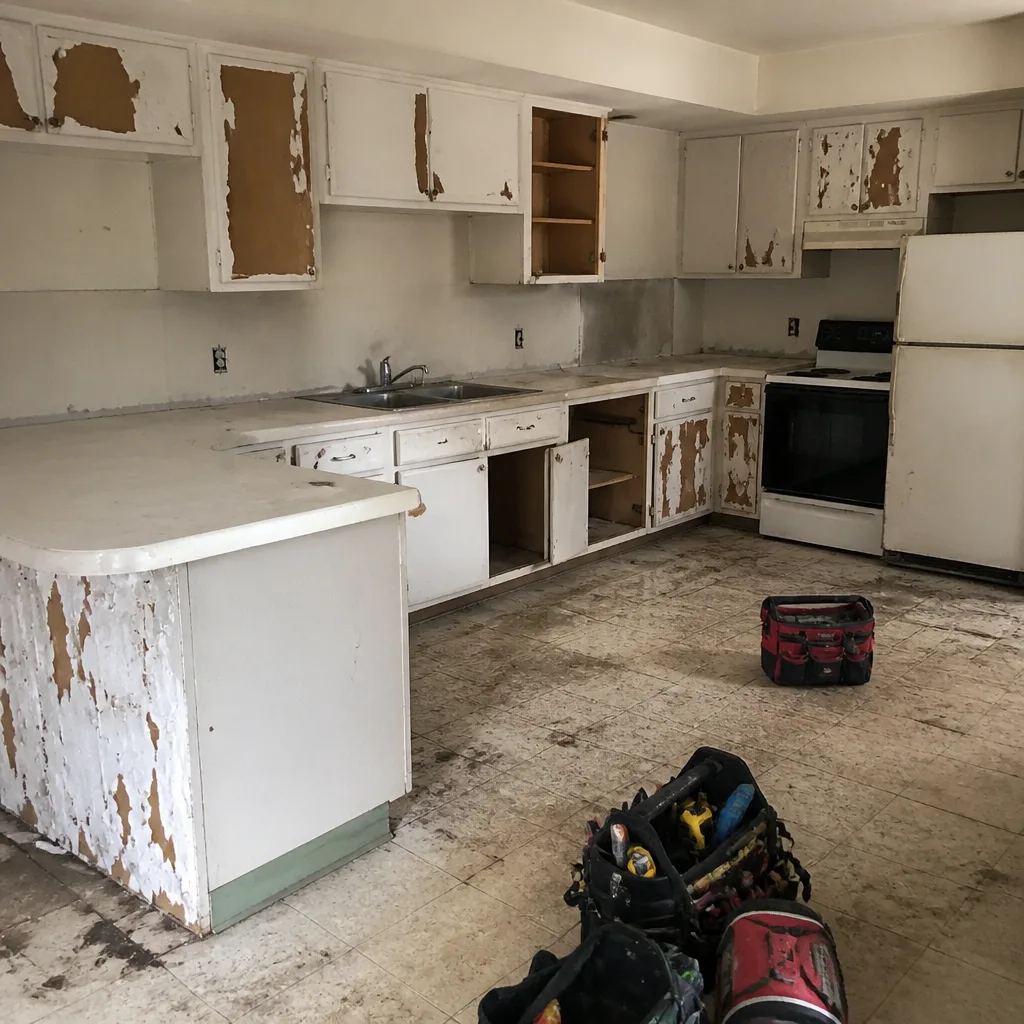
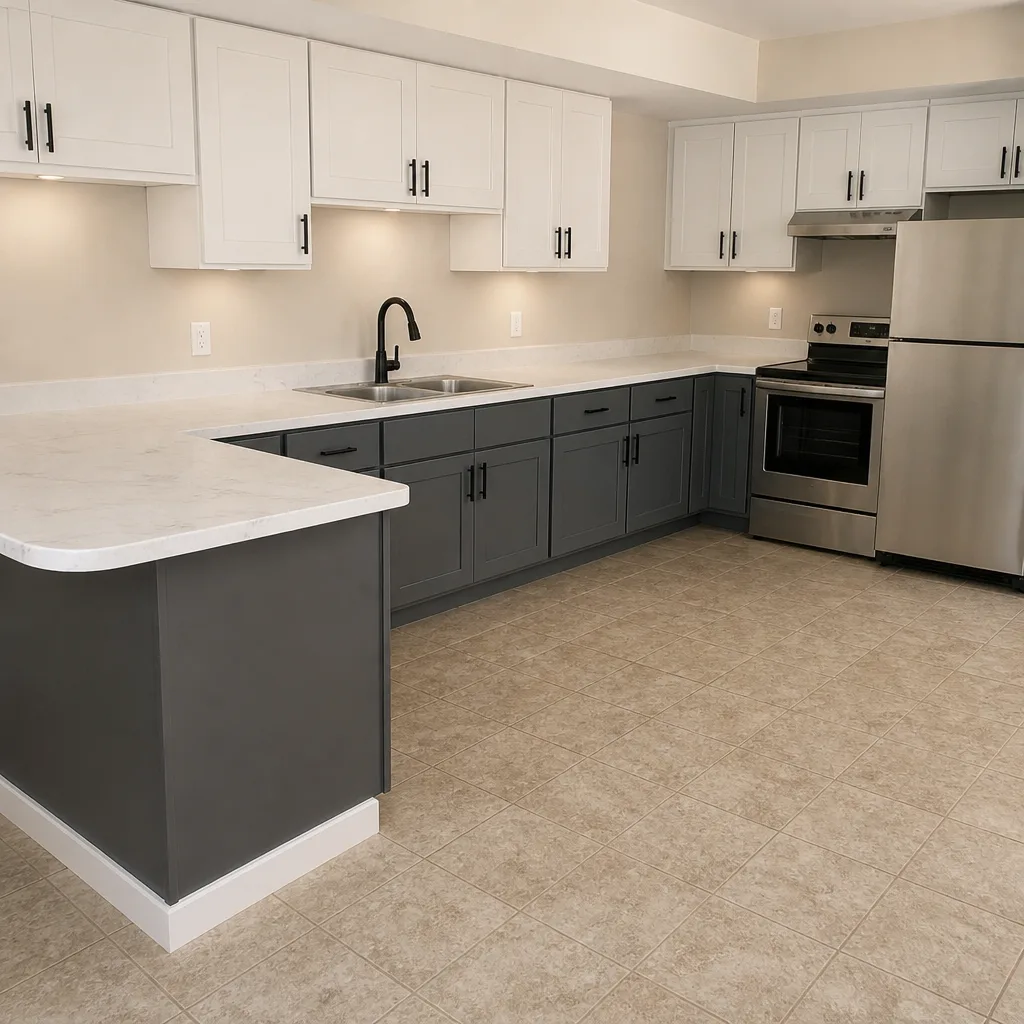
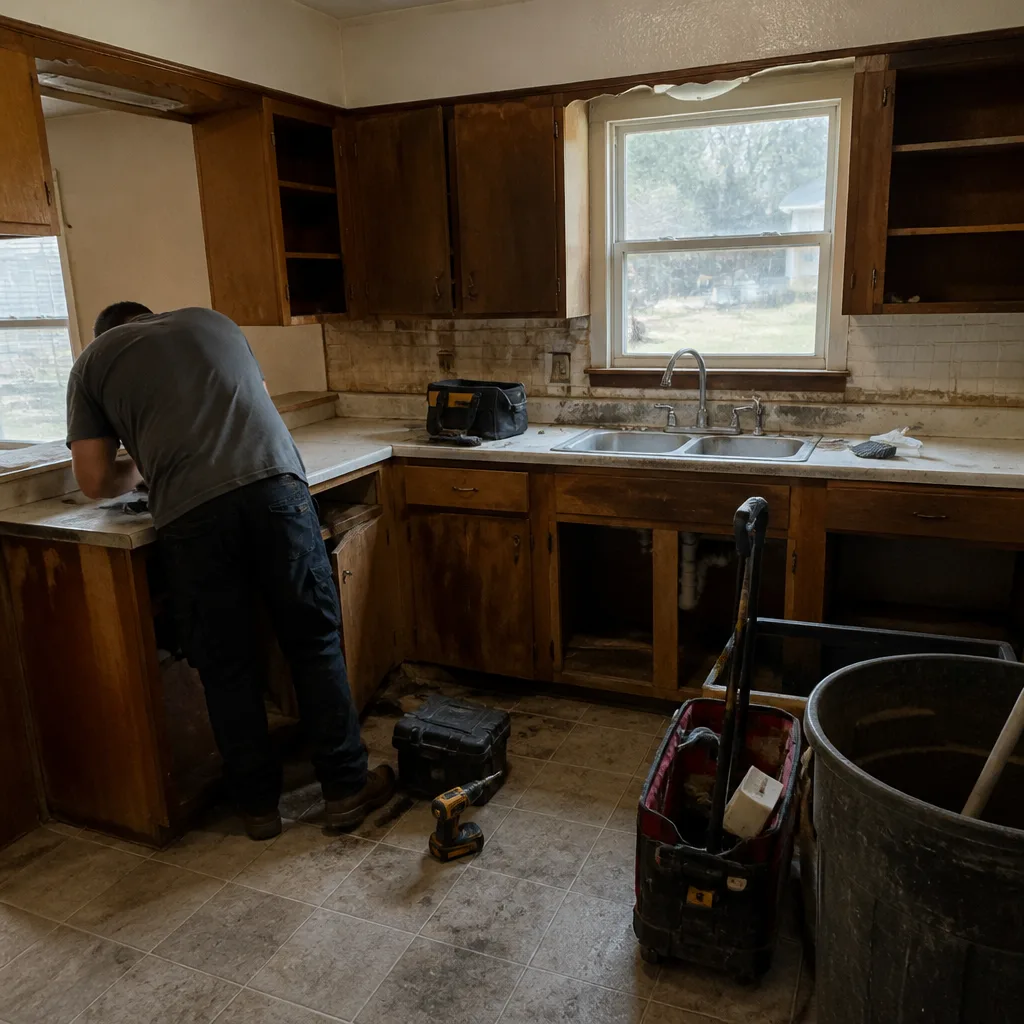
See the difference
 Before
 After
 Before
 After
 Before
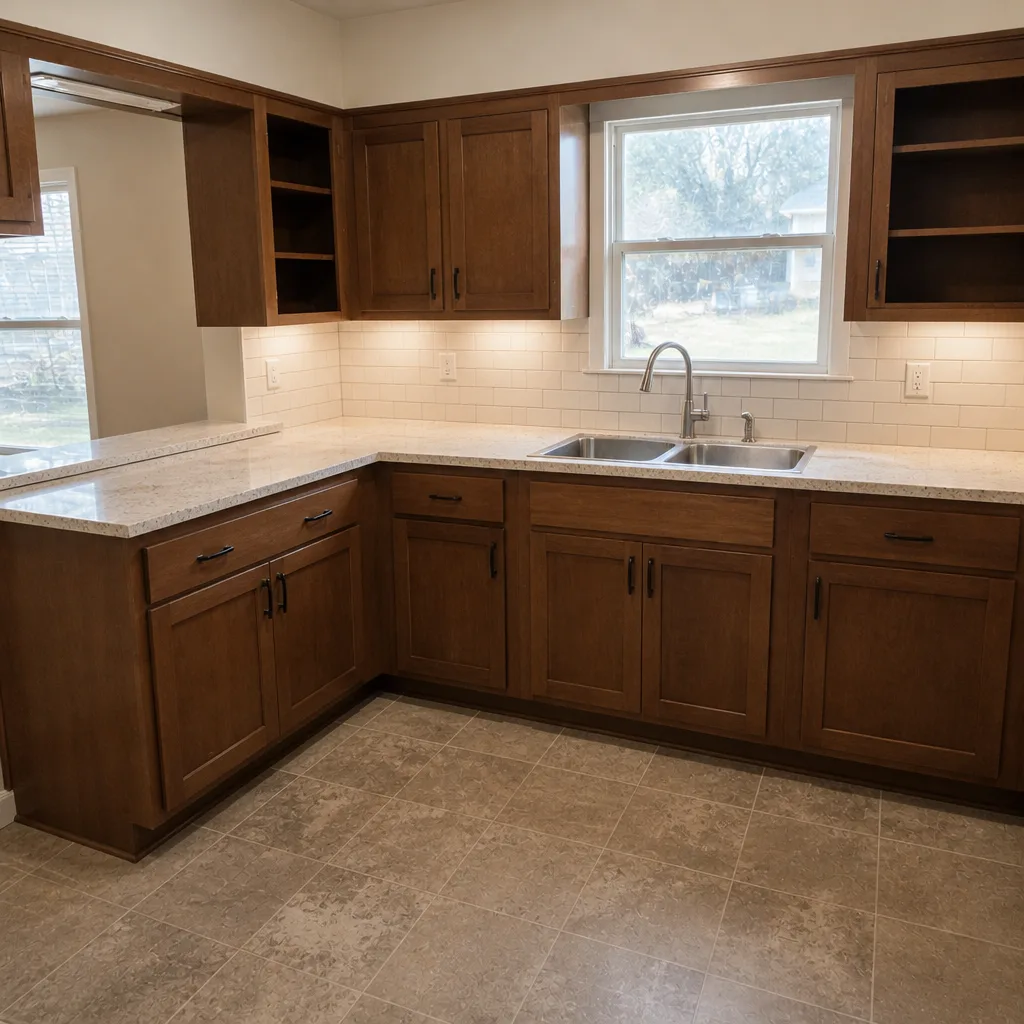 After
Replacement Cost & What’s Included

A full James Hardie-compatible fence install in Denton runs $3500 – $9000 for a typical residential lot. Here’s what moves you inside that band:
| Line Item | Typical Range |
|---|---|
| Linear feet (100 ft to 200 ft typical) | $2500 – $6000 |
| Posts, framing, and fasteners | $600 – $1800 |
| Removal and haul-away of old fence | $300 – $900 |
| Gate hardware, posts, and hinges | $200 – $600 |
| Priming, finish, and site cleanup | Included |
Height matters. A 4-foot fence sits at the low end; a 6-foot privacy run sits at the high end, and a 6-foot gate pushes it higher still. Post count drives cost more than anything else – fiber cement is heavy, and posts are spaced closer than wood fence posts to carry the load.
Every price we quote is written before any work starts. No door-price surprises, no mid-job change orders unless you ask for a scope change in writing. And every completed install carries the 365-Day Done Right Promise – if the fence fails to hold within a year, we come back and correct it at no charge. That’s a full-year written guarantee in your hand at close, alongside a documented scope and a clean, squared-away site.
We also install KraftMaid and Wellborn cabinetry, Cambria and Silestone surfaces, and the rest of our documented brand lineup – but the fence is what we’re here for. Call for a free estimate.
DIY or Call Us?
These posts and fiber cement boards are genuinely heavy and awkward to handle, and the work involves setting concrete into Denton’s clay. We’d rather you leave the install to us, but here’s the honest split on what you can safely check:
- Safe for you: walk the fence line and push-test each post for wobble; inspect the base for softness; check that fasteners are clean metal with no rust bleed; make sure gates close flush and hardware is tight.
- Where DIY goes wrong: setting posts shallow, using the wrong fastener, over-tightening boards against a stop, and under-concreting the footings. Those four mistakes are the reason a fiber cement fence fails within five years instead of fifteen.
Fiber cement isn’t dangerous like electrical or gas work – it’s not a shock or fire hazard. It’s just heavy, and installing it to spec against Texas soil is a job that punishes shortcuts. If you’re not sure what you’re looking at, call (844) 651-3175 and one of our background-checked, uniformed technicians will assess it for free. Our technicians have up to 22 years of experience on installs exactly like this.
FAQs
Expect 15 – 25 years on the boards with proper installation and primal finish, provided the posts hold. The posts fail first – often within 5 – 8 years in Denton clay if footings were set shallow. Call (844) 651-3175 for a free estimate on a replacement run.
Sometimes, yes. If 3 – 4 boards are damaged or a single gate has failed, a targeted repair is usually the right call. If more than 25% of the run has failed connection points or rotted posts, replacement is more economical. We’ll tell you which, in writing, before we touch anything.
A typical 150-foot James Hardie fence install in Denton takes 2 – 4 working days, depending on post count, gate configuration, and site access. Install-timeline is scheduled around your approval, not squeezed in – and the written scope tells you exactly what days the crew will be on site.
Boards come through our documented distributor network, and every board is spec’d to the correct thickness and finish before it leaves the yard. Fasteners are fiber-cement-rated, never substituted. And because materials are documented, our 365-Day Done Right Promise is backed by a manufacturer warranty behind it.
Call (844) 651-3175 to schedule your free estimate. A live person answers 24/7 – no voicemail, no callback queue. Bradford will put the price in writing before a single tool comes out, back the install with the 365-Day Done Right Promise, and leave the site squared away when the job closes.
Written by the team at Bradford Remodeling Co Denton, serving Denton and nearby areas.