
Free written scope consultation - allowances, timeline, and change-order rules on paper before a single trade is scheduled
James Hardie Home Additions & ADU: The Denton Owner’s Guide
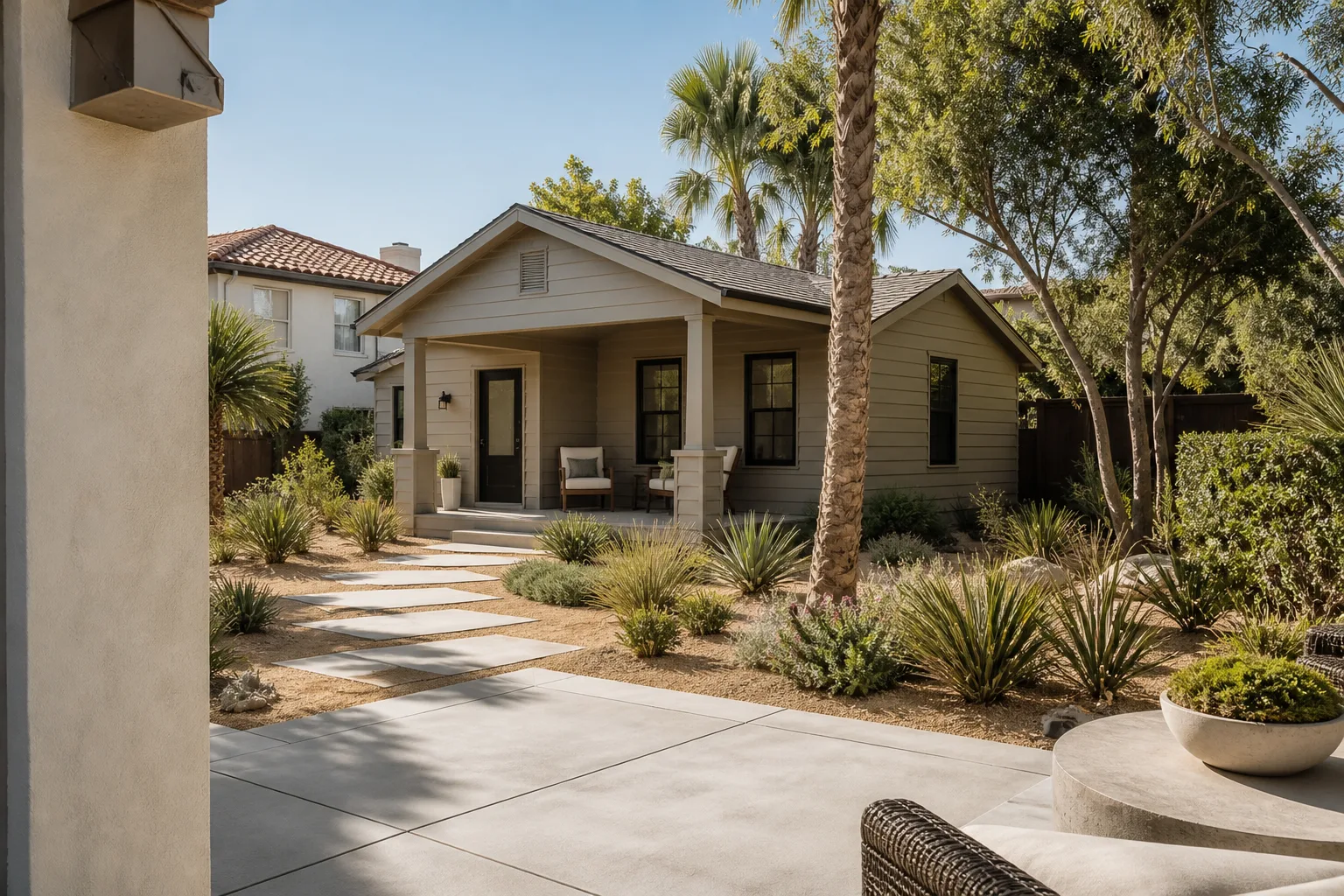
Home additions and ADUs built with James Hardie siding in Denton typically run $45,000 – $130,000 for an addition and $90,000 – $220,000 for a detached or attached ADU, installed. We’re an independent contractor, not affiliated with James Hardie, and we’ve pulled enough Denton permits to know exactly what the city wants to see before it signs off on fiber cement exteriors.
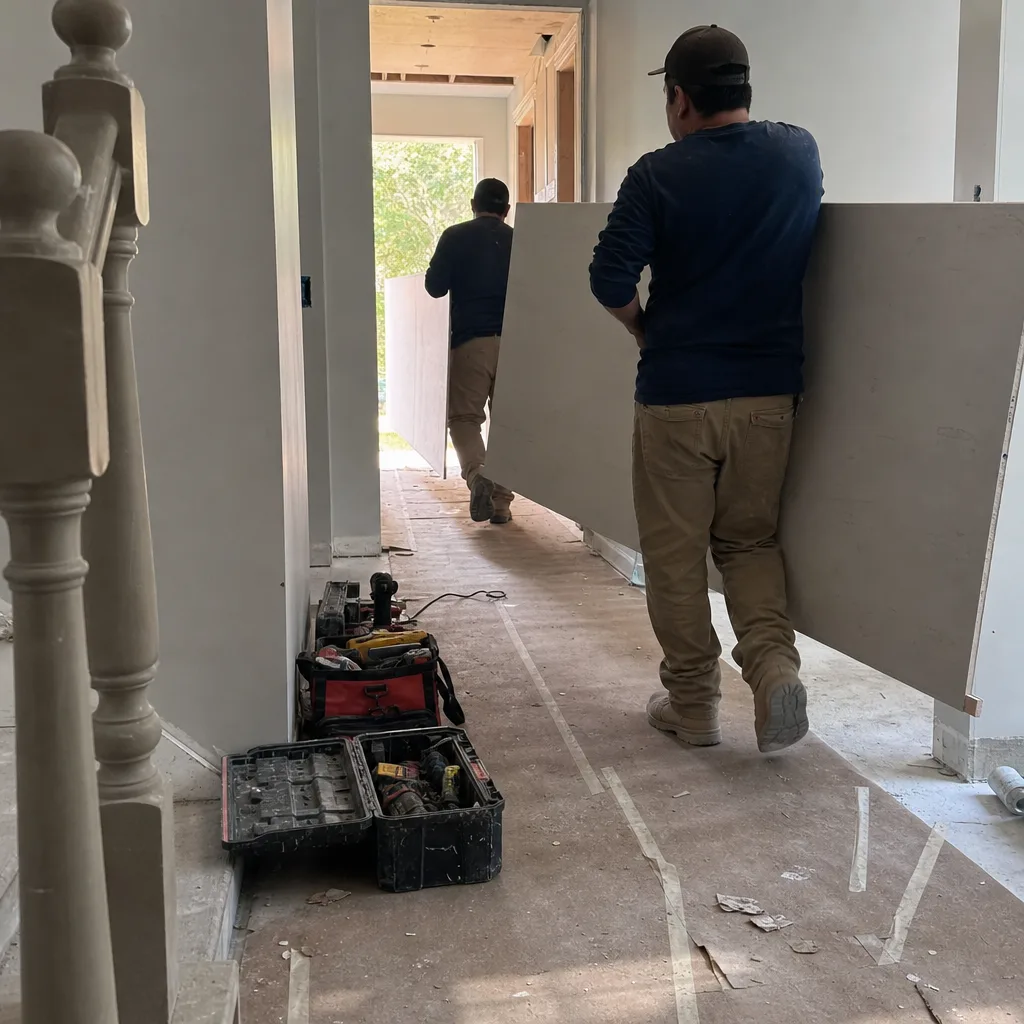
Most owners don’t “discover” a failed addition component the way they’d find a bad garage spring. They notice it slowly. A hairline crack in a HardiePlank seam after the third Denton summer. Soft trim near the roofline where caulk pulled away. A room addition that never quite dried out during the 2023 wet spring and started showing it at the corner joints. By the time it’s obvious, the substrate behind the fiber cement is usually the real story.
Key Takeaways
- Addition range: $45,000 – $130,000. ADU range: $90,000 – $220,000. Garage conversion: $30,000 – $80,000.
- James Hardie fiber cement needs a specific clearance over grade and roof lines – most Denton failures trace back to install, not the product.
- Denton’s clay-heavy soil and freeze-thaw swings in January put real stress on foundation-to-framing transitions.
- We give a written price before any work starts, and every completed project carries the 365-Day Done Right Promise.
Which James Hardie Models This Applies To
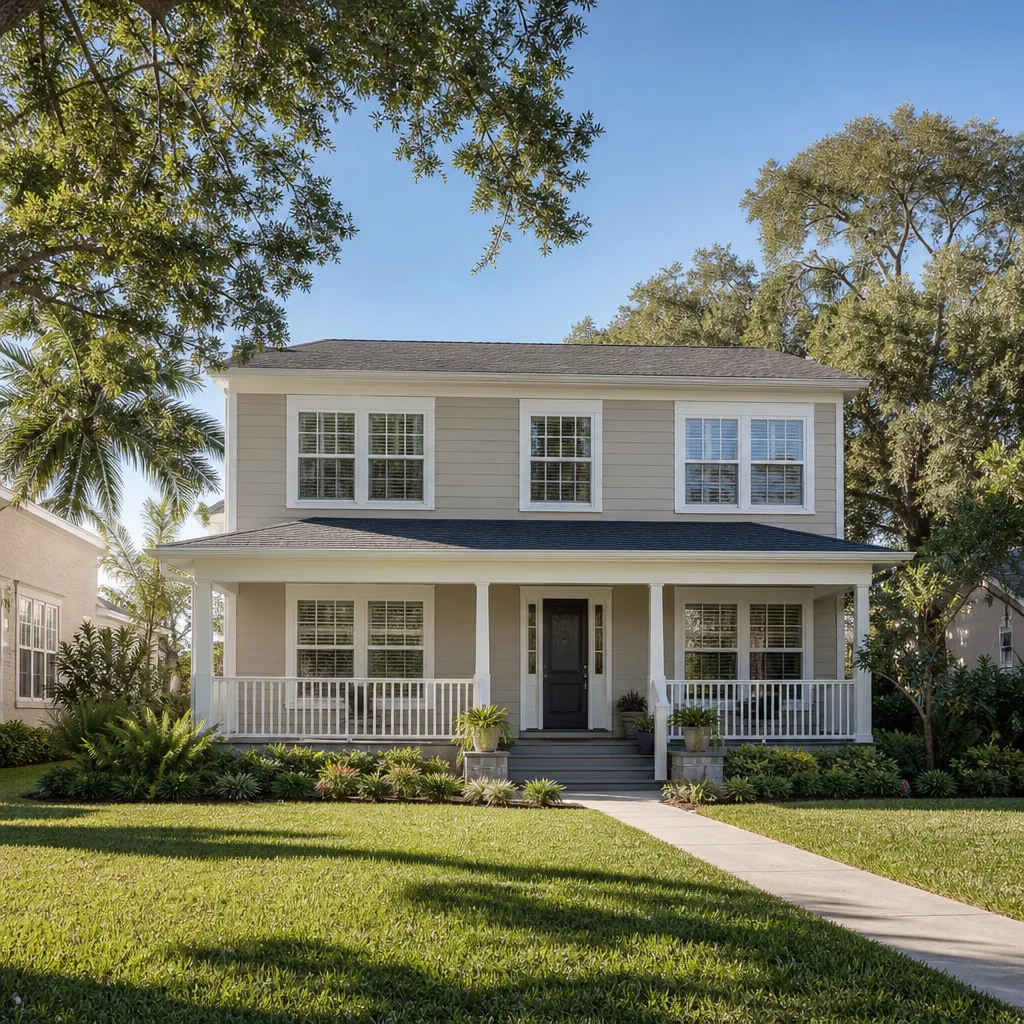
James Hardie doesn’t make an “addition” or an “ADU” as a product – the fiber cement cladding is what carries the brand, and the rest of the assembly is framing, sheathing, weather barrier, and trim. So when we say “James Hardie home additions and ADUs,” we mean the exterior envelope is specified in Hardie. The lines that matter in Denton:
- HardiePlank lap siding – the most common choice for additions. Comes in 5/16″ and 7/16″ thicknesses and profiles like Cedarmill and Smooth. The 7/16″ thickness holds up better against hail in Denton but costs more per square.
- HardiePanel vertical siding – often used on ADU gable ends. Watch the 4×8 and 4×9 or 4×10 sheet sizes; the taller sheets reduce horizontal seams but need more care around window returns.
- HardieTrim and HardieSoffit – the trim pieces and soffit panels that fail first in North Texas heat. HardieTrim comes in 5/4 thickness and different widths; a 3.5″ trim is standard, but an addition with a Craftsman profile often steps up to 5.5″.
- HardieShingle and HardieArtisan – accent lines used on ADU elevations. Different panel formats, so the fastening pattern doesn’t interchange.
How to identify yours: pop off a piece of trim near a window, or look at the lap exposure from the ground. Standard HardiePlank exposure is 7″ or 8″ on a 12″ or 10″ board. If you’re matching existing siding for an addition, the profile, thickness, and ColorPlus color all have to line up – and James Hardie’s ColorPlus finish is factory-applied, so a match is a spec match, not a paint match.
OEM vs. aftermarket for James Hardie specifically
Here’s the honest answer: HardiePlank, HardiePanel, and HardieTrim have real competition in fiber cement. Allura and Nichiha both make a legitimate product. The reason to stay with James Hardie is that the existing house already has it, and mixing manufacturers on one exterior looks wrong from the street and complicates the warranty chain. Where aftermarket makes sense: fasteners, flashing, weather barrier, and caulk. Those aren’t Hardie products, and buying a premium version of each (stainless or hot-dip galvanized nails, proper housewrap, polyurethane caulk) is what actually extends the Hardie’s life in Denton.
Styles & brands we work with
- Kitchen remodeling
- Bathroom remodeling
- Home additions & ADU
- Roofing
- Windows & doors
- Driveway & pavers
- Fence
Signs Your James Hardie Home Additions & ADU Is Failing
- Hairline cracks at panel seams. Usually a fastening problem – nails driven tight instead of leaving the required gap for expansion. Denton’s summer heat swings 30+ degrees between morning and afternoon, and a tight nail head shears the panel over time.
- Soft or spongy trim at the roofline and corners. That’s water getting behind the fiber cement, usually from failed caulk or a flashing that was installed flat instead of lapped. The Hardie is fine; the substrate behind it isn’t.
- Siding sitting too close to grade. James Hardie wants at least 6″ clear between the bottom of the siding and finished grade, and 8″ is safer in Denton where soil movement is real. If your addition’s bottom course is at 2″, water is wicking up daily.
- Peeling paint on the fiber cement. ColorPlus finishes don’t peel the way field-painted fiber cement does. If it’s peeling, it was field-painted, or painted over a dirty surface, and that’s a finish problem, not a product problem.
- Visible water staining inside the addition at exterior walls. This is the one to take seriously – it means the weather barrier failed behind the Hardie, and the drywall and insulation in that wall cavity are already compromised.
See the difference
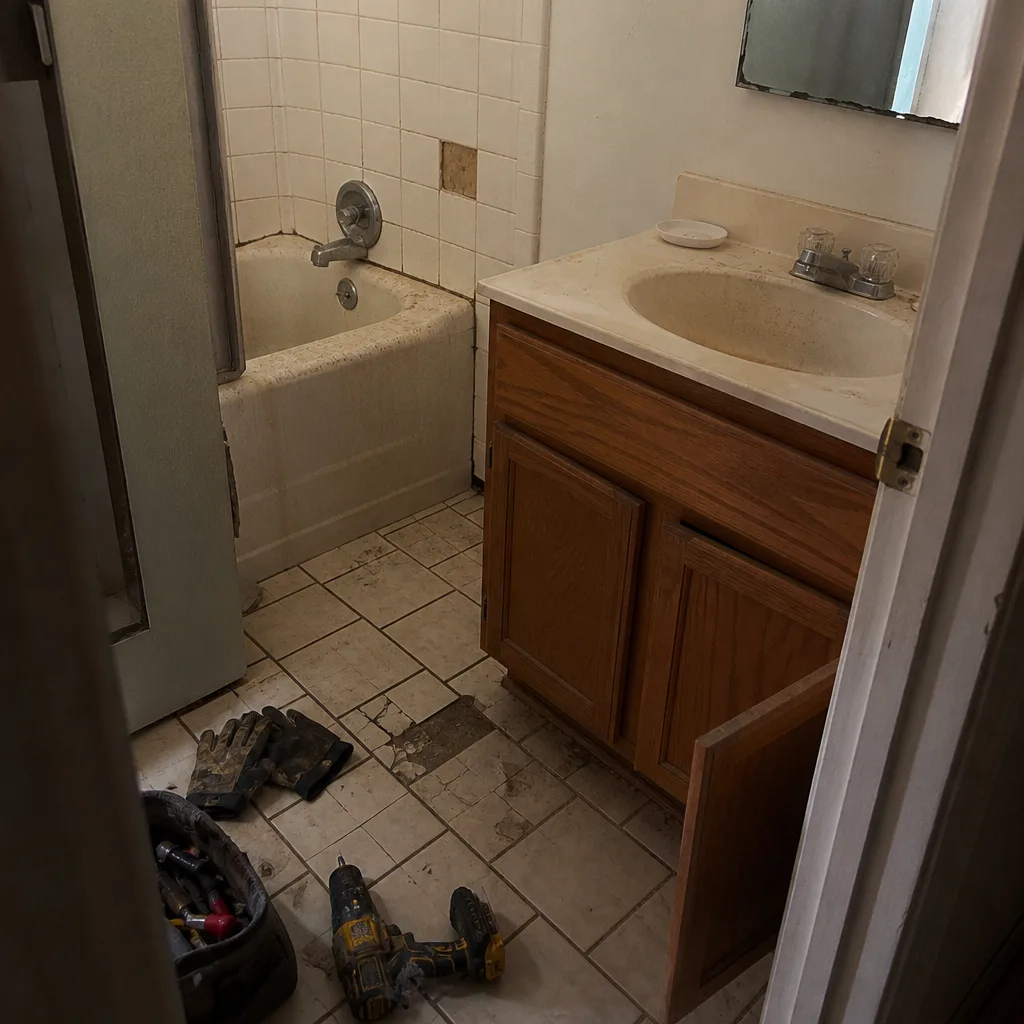 Before
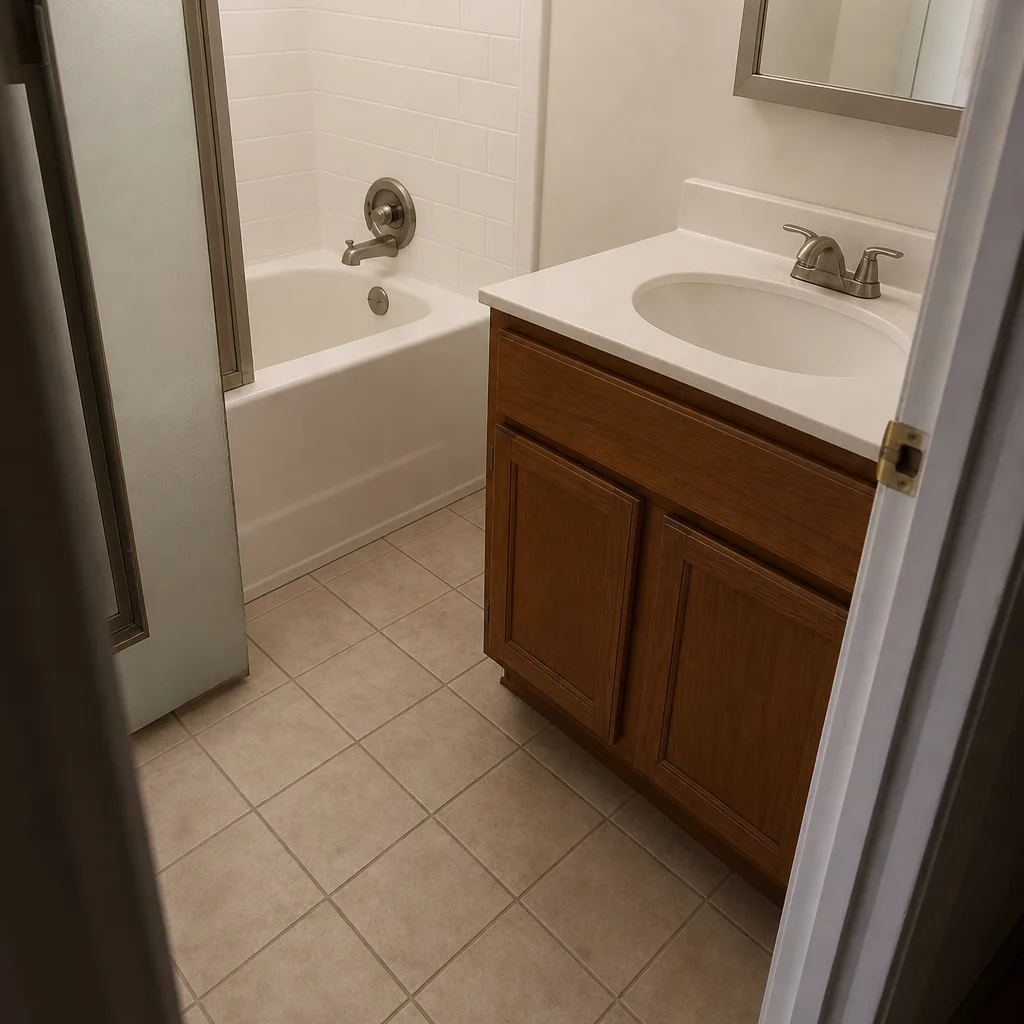 After
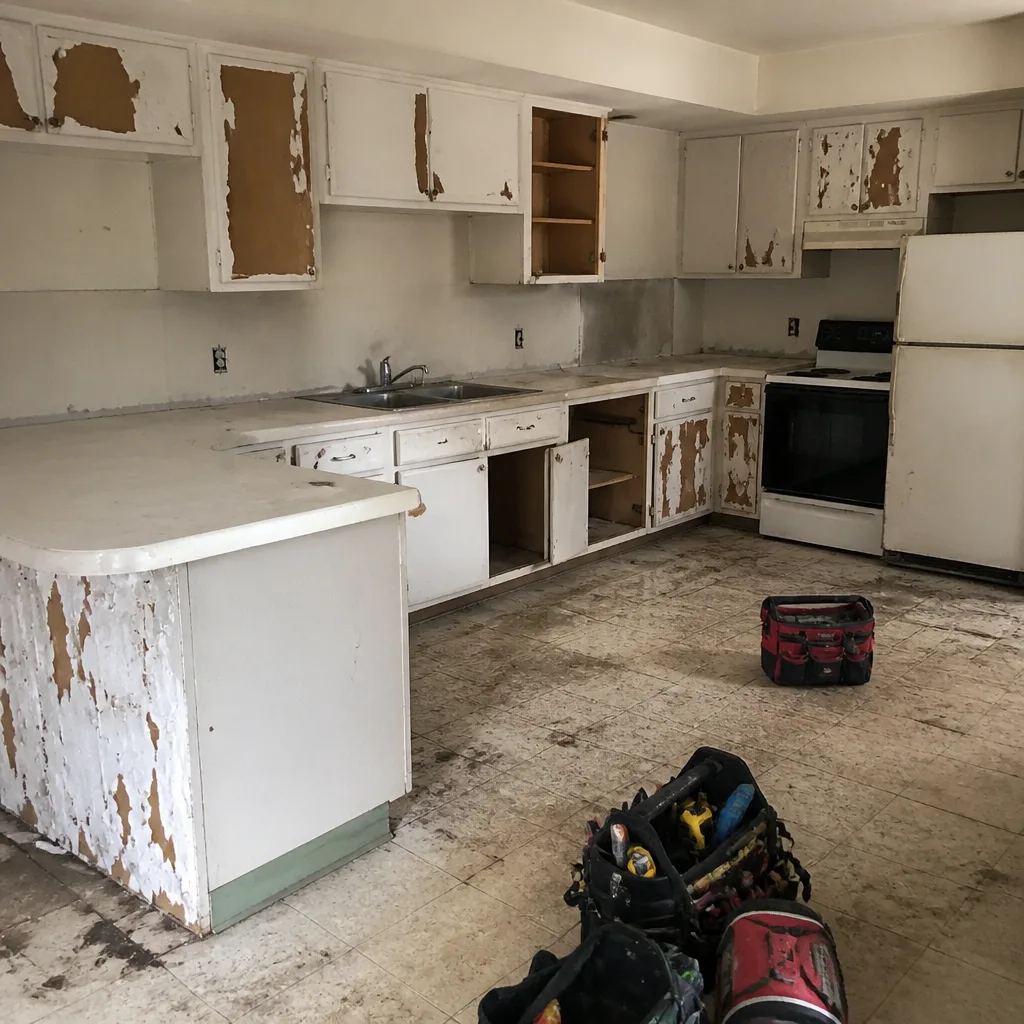 Before
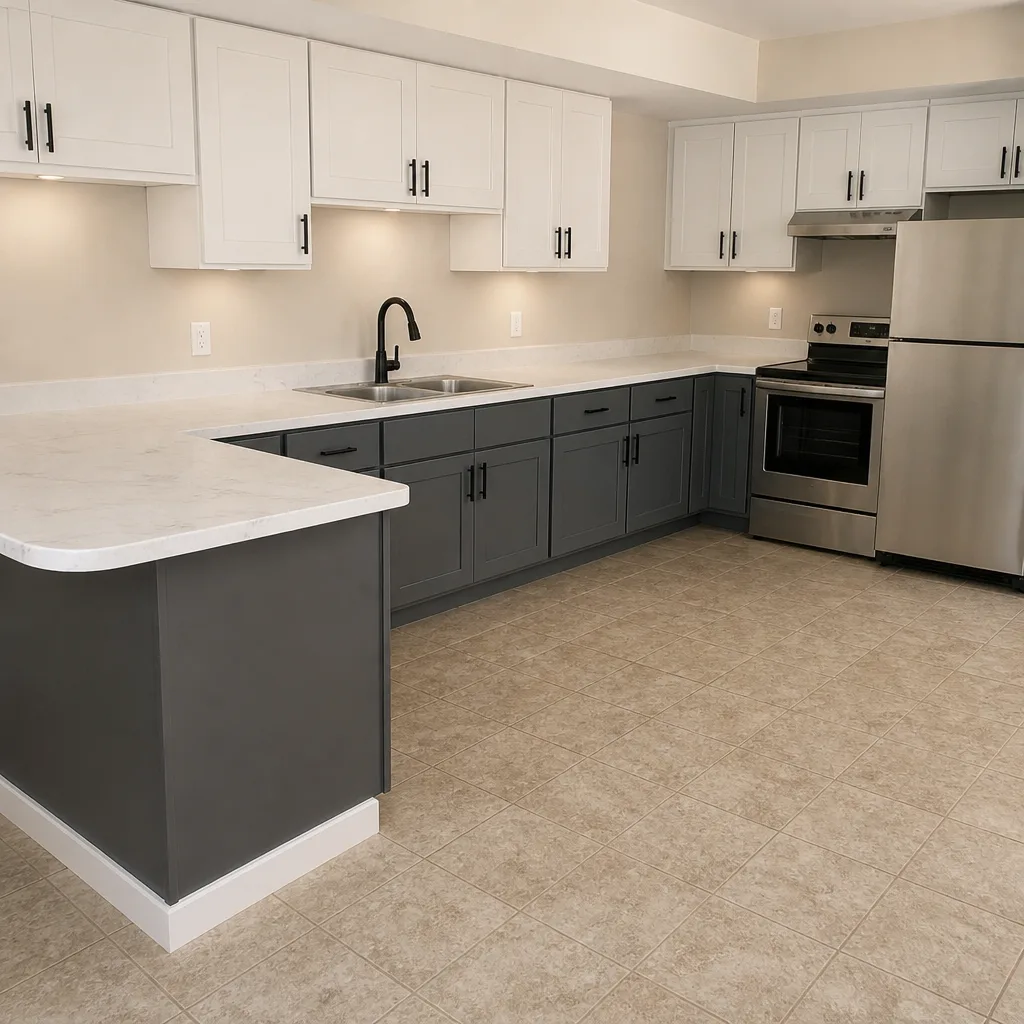 After
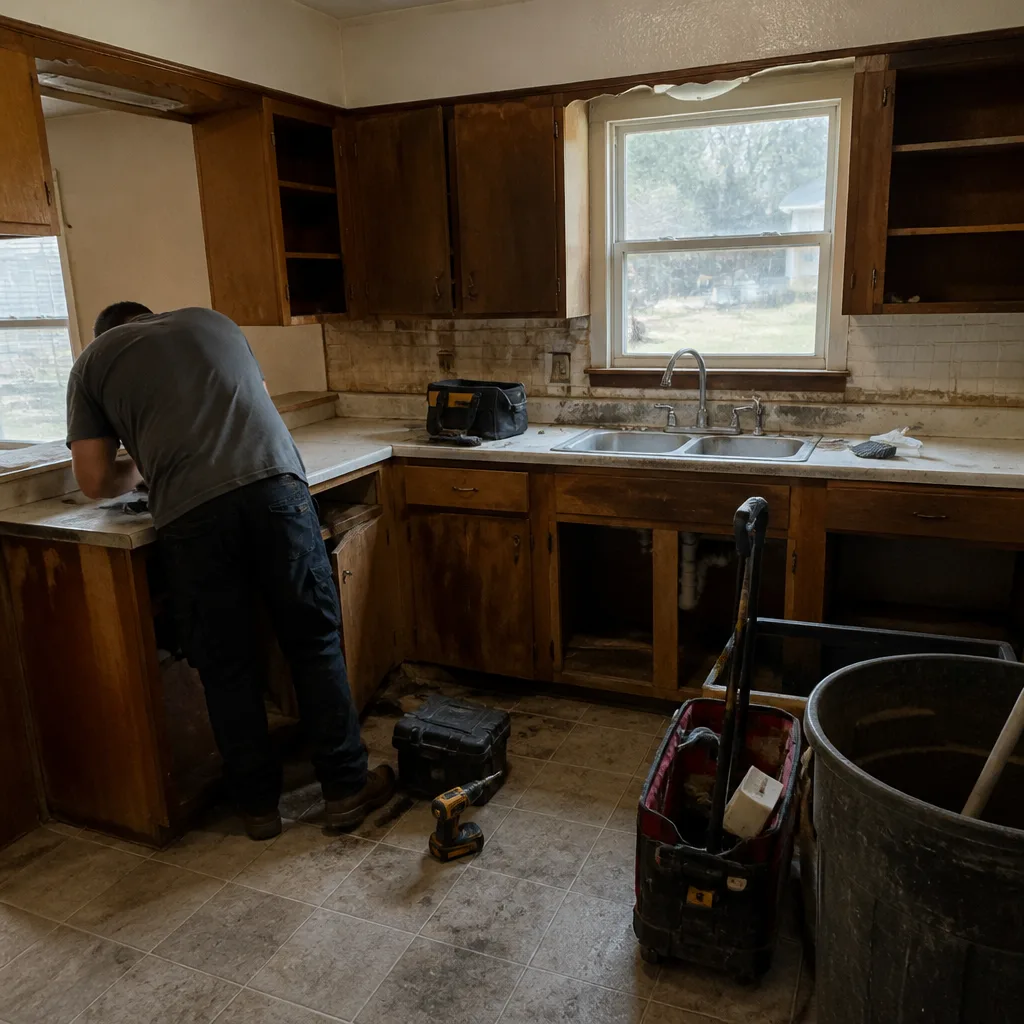 Before
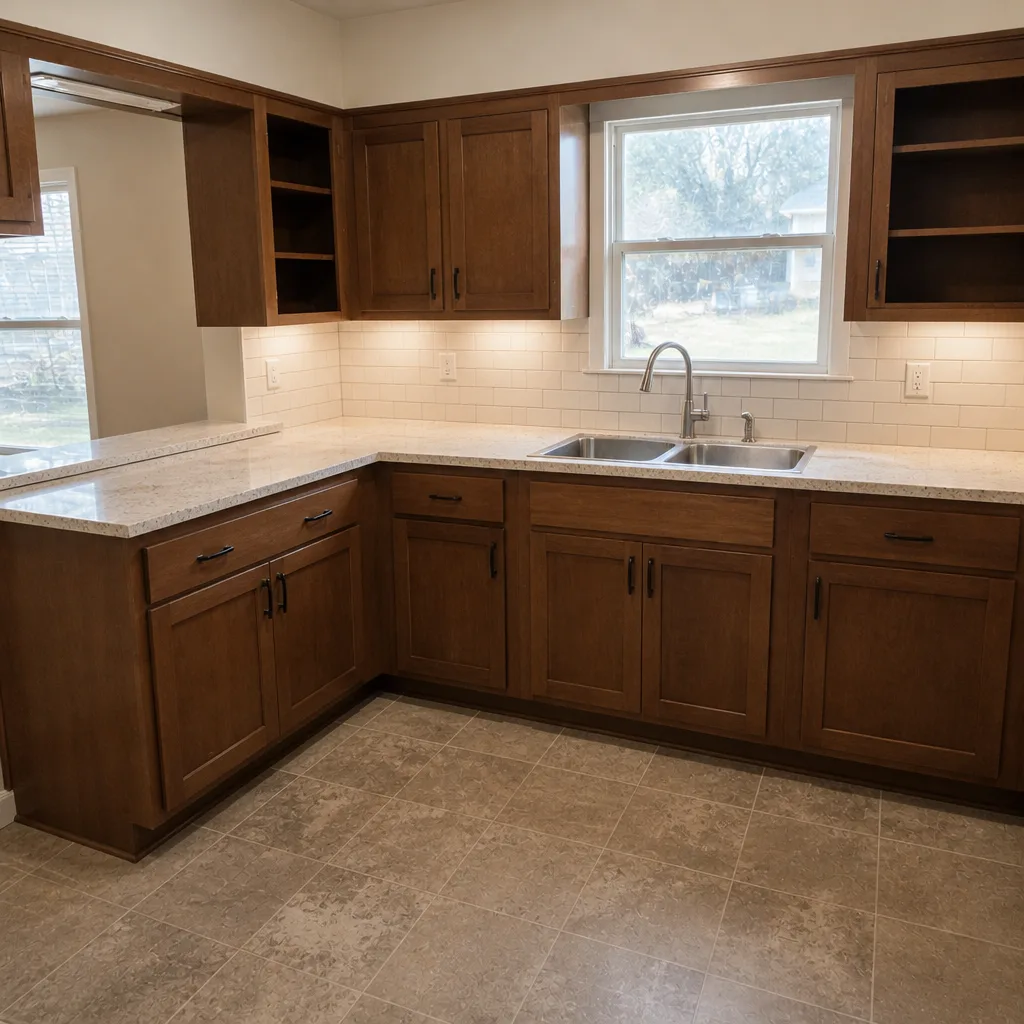 After
Replacement Cost & What’s Included
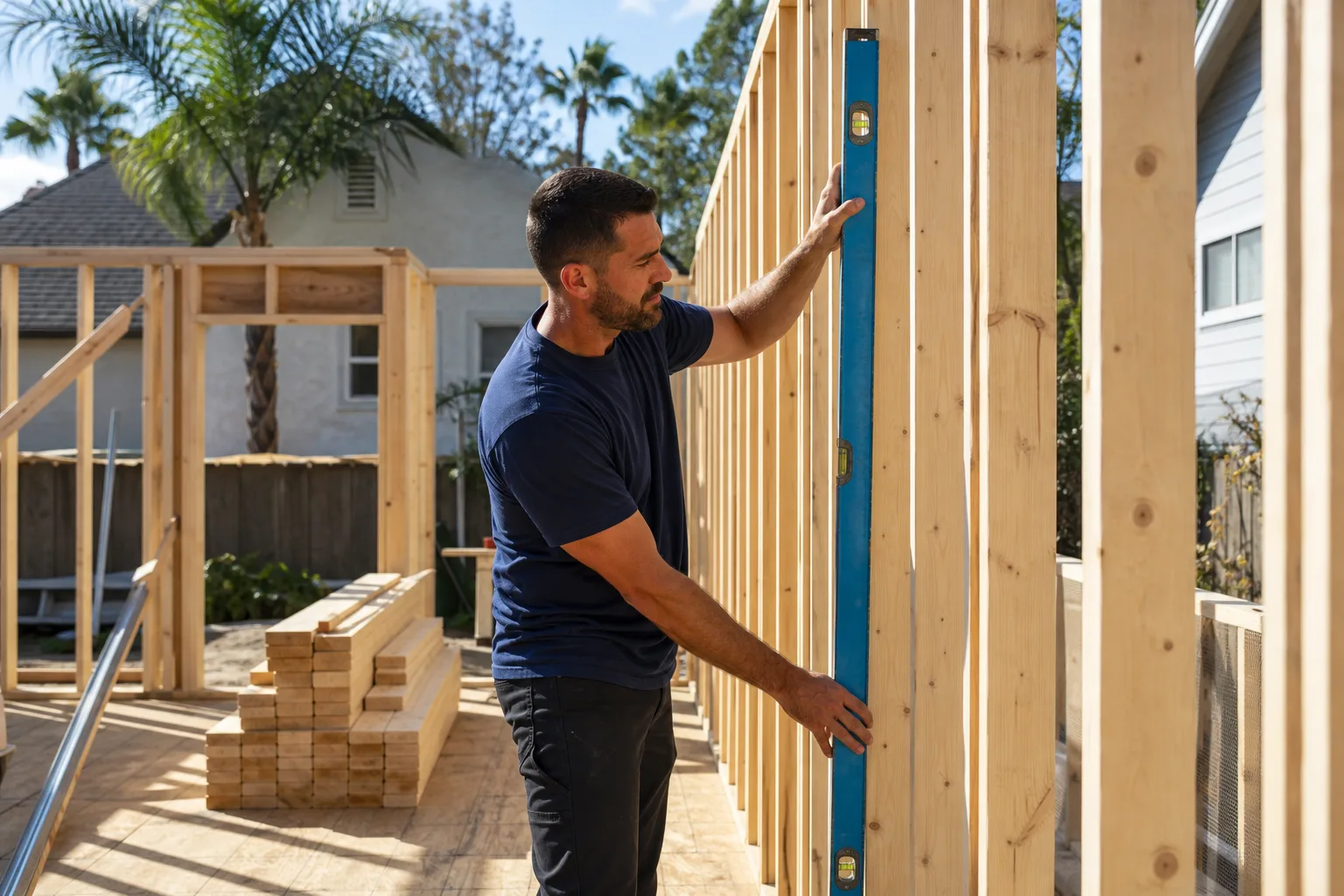
For Denton homeowners, a straightforward home addition runs $45,000 – $130,000. An attached or detached ADU runs $90,000 – $220,000. A garage conversion to living space runs $30,000 – $80,000. Those ranges are installed, with James Hardie exterior specifications in the mix.
What drives the range:
- Square footage and footprint. A 200 sq ft bump-out and a 600 sq ft addition are different projects. The lower end of $45,000 usually lands around 250-300 sq ft with standard finishes.
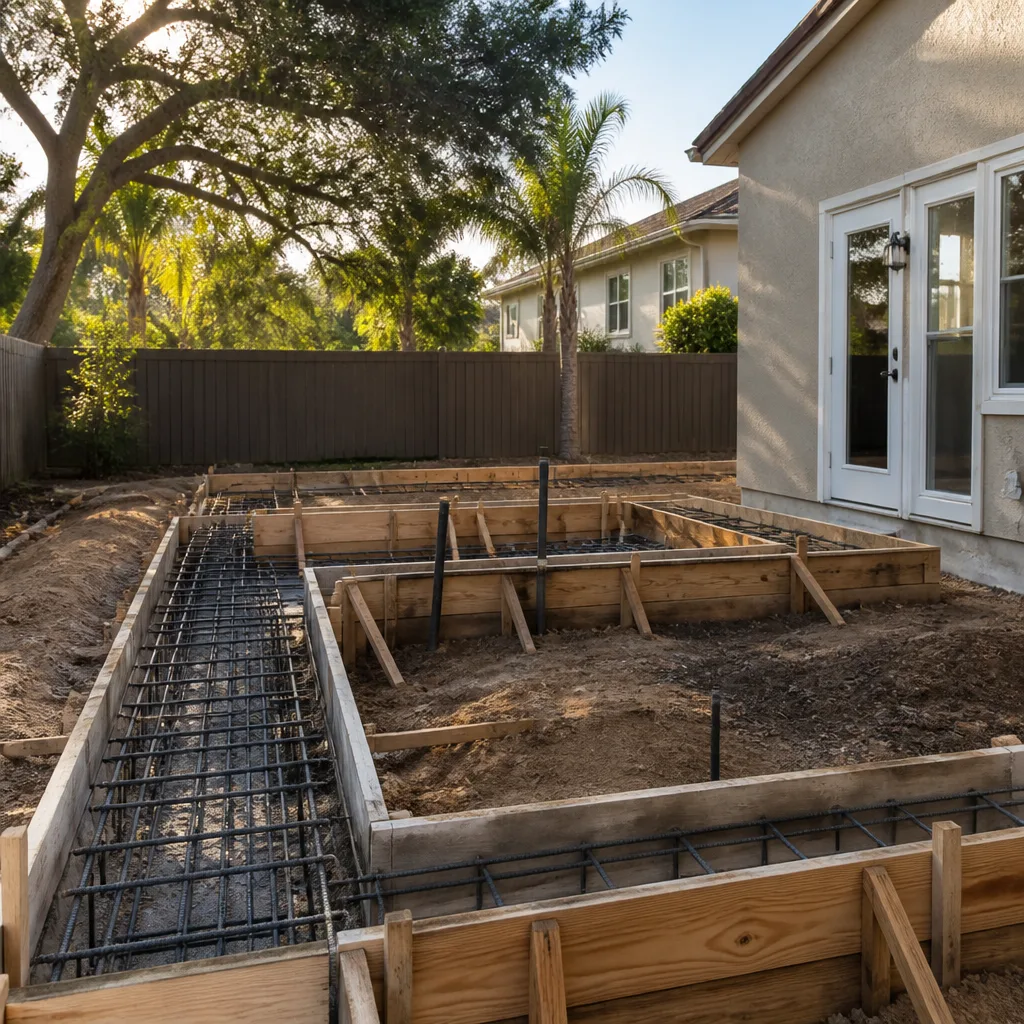
- Foundation type. Denton’s clay soils push pier-and-beam or engineered slab. A poured slab that meets city soil requirements is fine; if the site needs extra piers, that’s on the number.
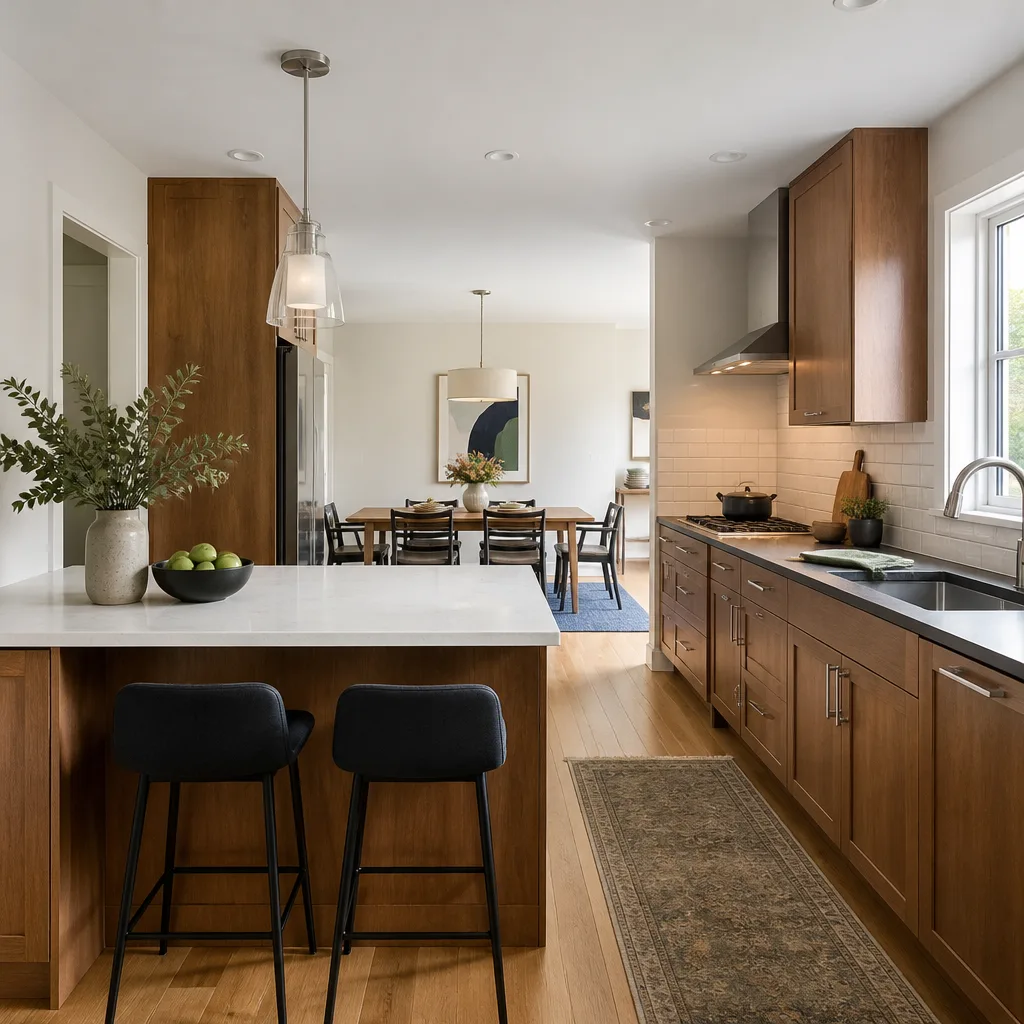
- Kitchen and bath rough-ins. An ADU with a full kitchen and bath hits the top of the range fast. We install KraftMaid and Wellborn cabinetry, Cambria and Silestone surfaces, and Kohler fixtures on ADU kitchens, and those are specified in writing before we start.
- Hardie line selection. HardiePlank vs. HardieShingle vs. HardieArtisan moves the exterior number a few thousand dollars either way.
Every quote is line-itemed. You see the foundation, framing, envelope, mechanicals, and finishes separately, with the Hardie spec called out. If you approved a written price, that price holds. Every completed project carries the 365-Day Done Right Promise: if the work fails inside twelve months, we return and correct it at no charge.
DIY or Call Us?
Honestly, the parts of this project a homeowner can handle are small. You can inspect your existing exterior for the warning signs above. You can photograph seams and trim and text them to us. You can pull your survey to confirm setbacks before we talk.
What you shouldn’t take on yourself: framing, foundation work, and hanging James Hardie above the first story. Fiber cement panels weigh about 2.5 lb per square foot, and a 4×10 HardiePanel is roughly 100 pounds of awkward, brittle material. On a ladder in Denton wind, that’s how people get hurt. Additions and ADUs also have to pass city inspection on framing, electrical, plumbing, and mechanical – none of that is homeowner-solo work.
Where DIY goes wrong most often on exteriors is the weather barrier and flashing. The Hardie will look right for two years and then the wall behind it is a problem. Give us a call and we’ll give you a real range for your project before you commit to anything.
FAQs
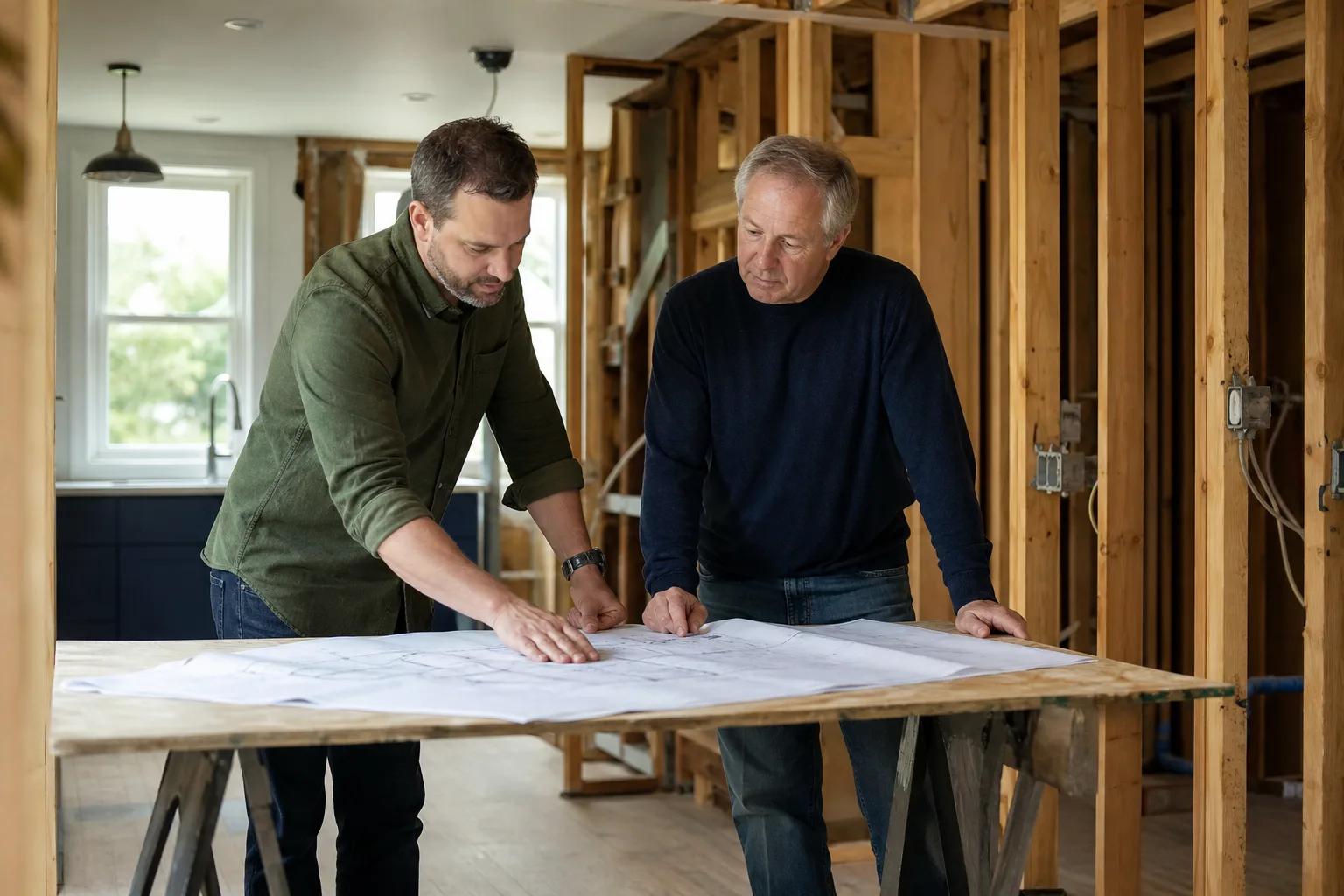
Thirty to fifty years for the fiber cement itself when it’s installed correctly – which means proper clearance from grade, lapped flashing, and fasteners that allow for movement. Denton heat and occasional hail cycles stress the finish first; the ColorPlus factory finish holds up better than field paint, but it can still chalk after 15-20 years. The failure point on most Denton additions isn’t the Hardie – it’s the substrate and weather barrier. Call (844) 651-3175 and we’ll walk your exterior with you and tell you which is failing.
Often yes. Individual HardiePlank boards, trim pieces, and panels can be swapped if the substrate behind them is dry and sound. The catch is color-matching – ColorPlus finishes are factory-applied, so a repair means ordering the same profile and color, and there’s a lead time. If more than about 30% of an elevation is compromised, or the substrate is wet, repair usually doesn’t pencil out against a partial re-side. Call (844) 651-3175 and we’ll give you a written price for both options before you choose.
Straightforward additions run 8-14 weeks of construction after permits clear; Denton permitting itself adds several weeks depending on scope and any site-plan review. ADUs on the longer end – expect 12-20 weeks of build once framed. Our technicians have up to 22 years of experience with North Texas permitting and know what the city wants before we submit. Call (844) 651-3175 to schedule your free estimate and we’ll give you the timeline in writing.
We specify the exact Hardie line, profile, and ColorPlus color in the written scope, order through established Texas distributors, and confirm delivery before framing starts. We don’t stock material – it’s ordered per job, which is what lets us match your existing exterior instead of substituting whatever’s on hand. If you’re already carrying a Hardie product and want it matched, bring us the profile and color code from your original build. Call (844) 651-3175 for a free estimate; pricing is in writing before any work starts.
Home additions and ADUs in Denton are big decisions, and the exterior spec is the part most owners get rushed on. Give us a call at (844) 651-3175 for a free estimate. We’ll put the price in writing, name the Hardie products by line and color, spell out what the 365-Day Done Right Promise covers, and answer the phone with a live person whenever you call – no voicemail, no callback queue. The Garrison Standard is on every job, and you’ll have your signed guarantee in hand at close of work.
Written by the team at Bradford Remodeling Co Denton, serving Denton and nearby areas.