
Free written scope consultation - allowances, timeline, and change-order rules on paper before a single trade is scheduled
IKO Home Additions & ADU: The Denton Owner’s Guide
Adding space to a Denton home with an IKO product line in the spec usually lands between $45,000 and $130,000 for a home addition, and $90,000 to $220,000 for a detached or attached ADU, depending on square footage, foundation work and finish level. These are planned projects, not emergency calls, so the schedule runs weeks to months, and every job starts with a written, line-item price before a tool comes out. IKO is a building-products manufacturer whose weather barriers, roofing underlayments and related envelope materials show up in the shell stage of an addition or ADU, and when one of those components is failing you usually find out through a musty smell in a new room, a soft spot along a wall base, or a roofline that reads wrong from the driveway. That’s the point where the material has to be matched to the IKO system it belongs to, not swapped for whatever is on the shelf.
Which IKO Models This Applies To
IKO doesn’t make “an addition.” It makes the envelope components that go into one: roofing shingles and underlayments, weather-resistive barriers, and the accessory tapes and fasteners that tie them together. The model line matters because the pieces are engineered as a system. An IKO shingle has a specific exposure and a matching starter and ridge detail, and the underlayment beneath it is rated to a certain permeability and tear strength. Put a mismatched barrier under an IKO roof deck and you can trap moisture in a Denton attic that already swings from humid summer to a hard January freeze.
To identify what you have, you look for the wrapper or the print line on the material itself, the model or series number on the bundle or roll label, and the measurement that matters for the assembly (shingle exposure in inches, barrier width and length in feet). If the label is gone, a photo of the installed surface plus the span measurement is usually enough for us to match it. On the OEM-versus-aftermarket question: for visible roof surfaces, stay with the IKO component the assembly was designed around; for hidden underlayment and accessory tape, a documented equivalent from a named manufacturer is a fair substitute when the spec sheet matches. We’re an independent contractor and not affiliated with IKO, so the recommendation is based on the assembly, not a brand allegiance.
Styles & brands we work with
- Kitchen remodeling
- Bathroom remodeling
- Home additions & ADU
- Roofing
- Windows & doors
- Driveway & pavers
- Fence
Signs Your IKO Home Additions & ADU Is Failing
- Musty air in the new room that won’t clear. A weather barrier that’s torn, lapped the wrong way, or sealed at the bottom is trapping moisture instead of shedding it. In Denton’s spring humidity this shows up as smell before it shows up as a stain.
- Soft or discolored drywall at the wall base. Water is wicking up from a barrier that terminates too close to grade. The fix is at the exterior, not a fresh coat of paint.
- Lifted, curling or granule-shedding shingles on the addition roof. Usually a ventilation or underlayment mismatch, not a shingle defect. IKO shingles are warrantied against manufacturing defects, not against an assembly that cooks them from below.
- Visible seams or bubbling on the barrier behind the siding. Tape that wasn’t rolled, or a barrier that was left exposed to Texas UV past its rated window, fails at the seam first.
- Condensation on the inside face of the new wall in cold snaps. A barrier with the wrong permeability for the wall assembly. Denton’s freeze-thaw swings punish a vapor-closed wall in a way a Houston build never sees.
See the difference
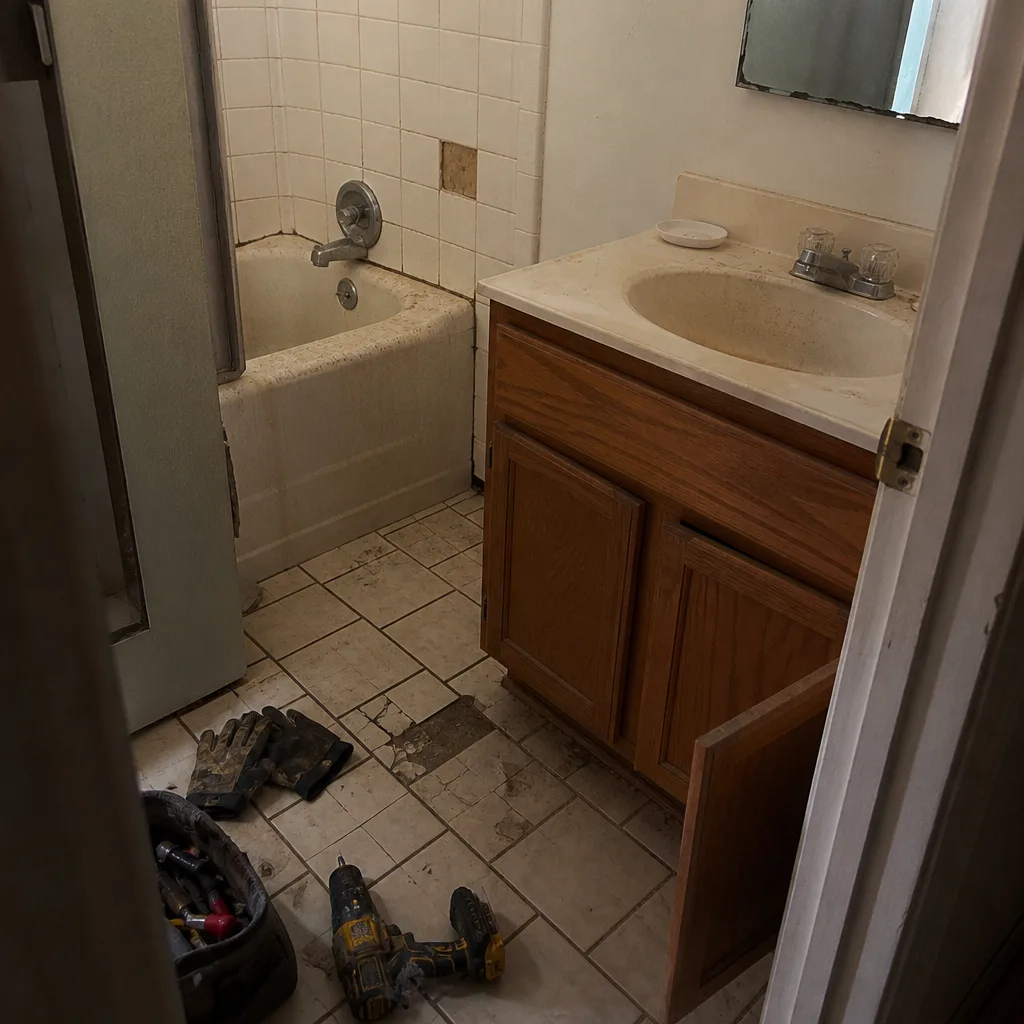 Before
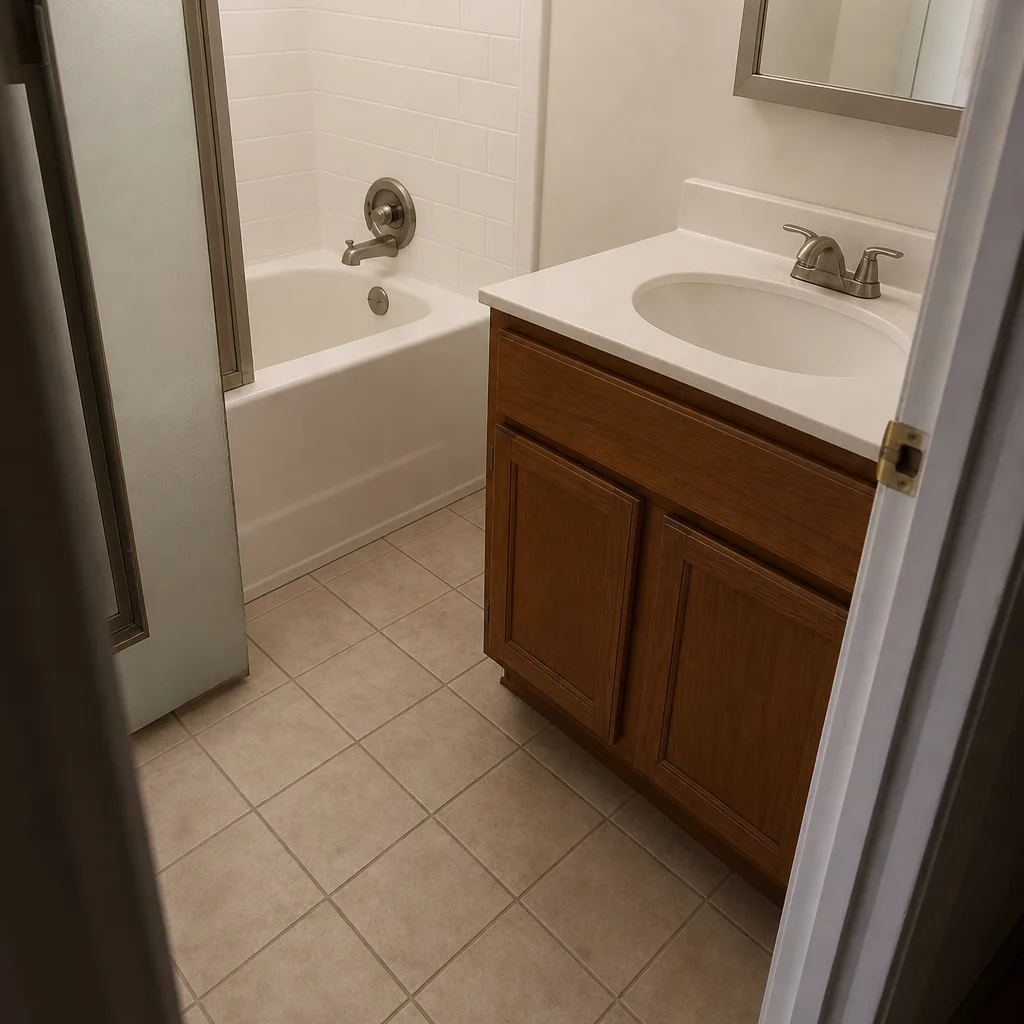 After
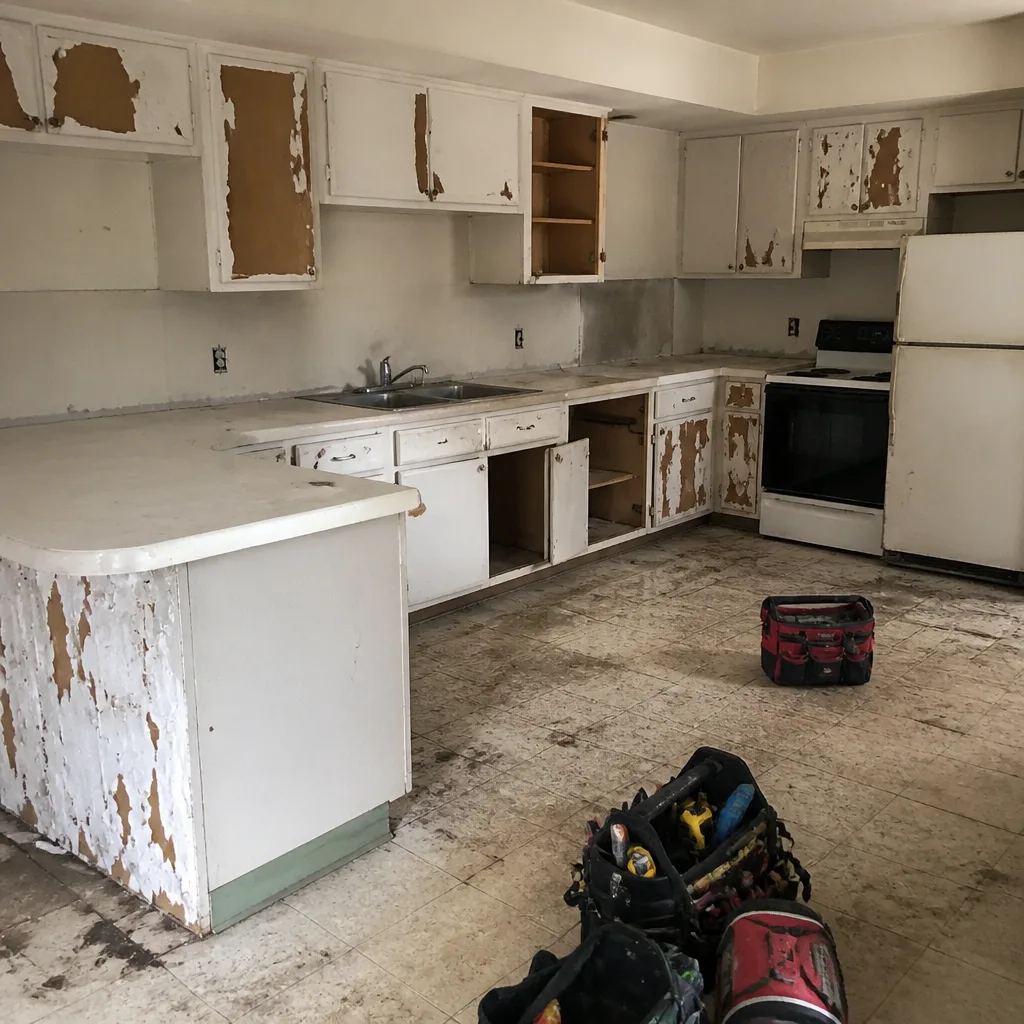 Before
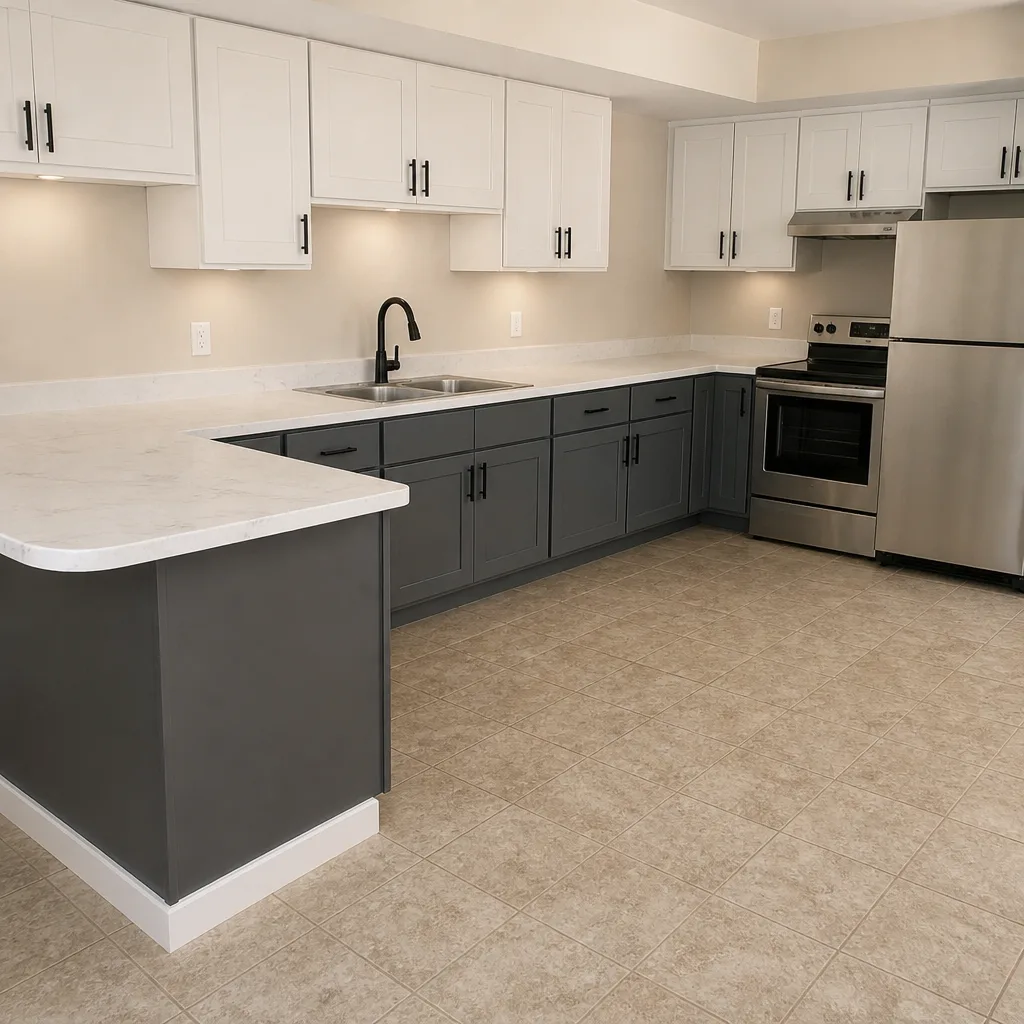 After
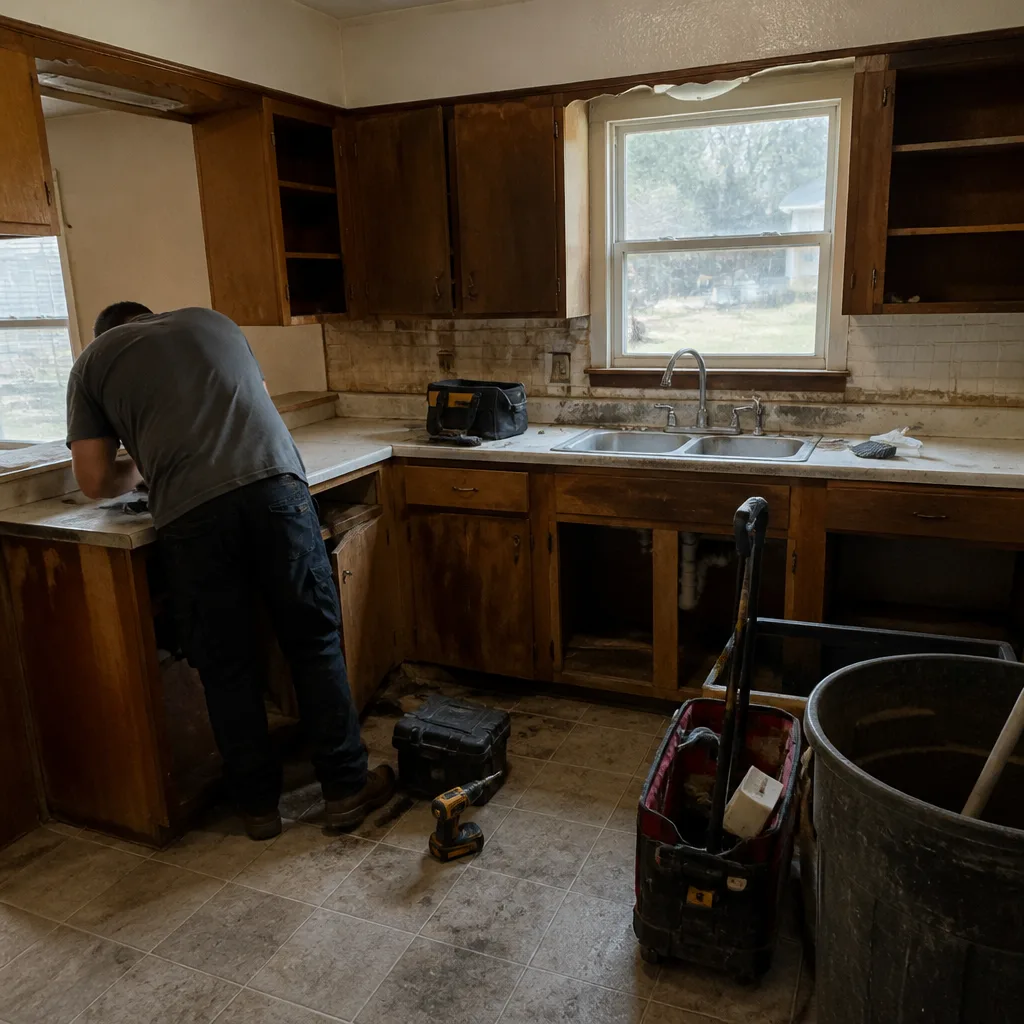 Before
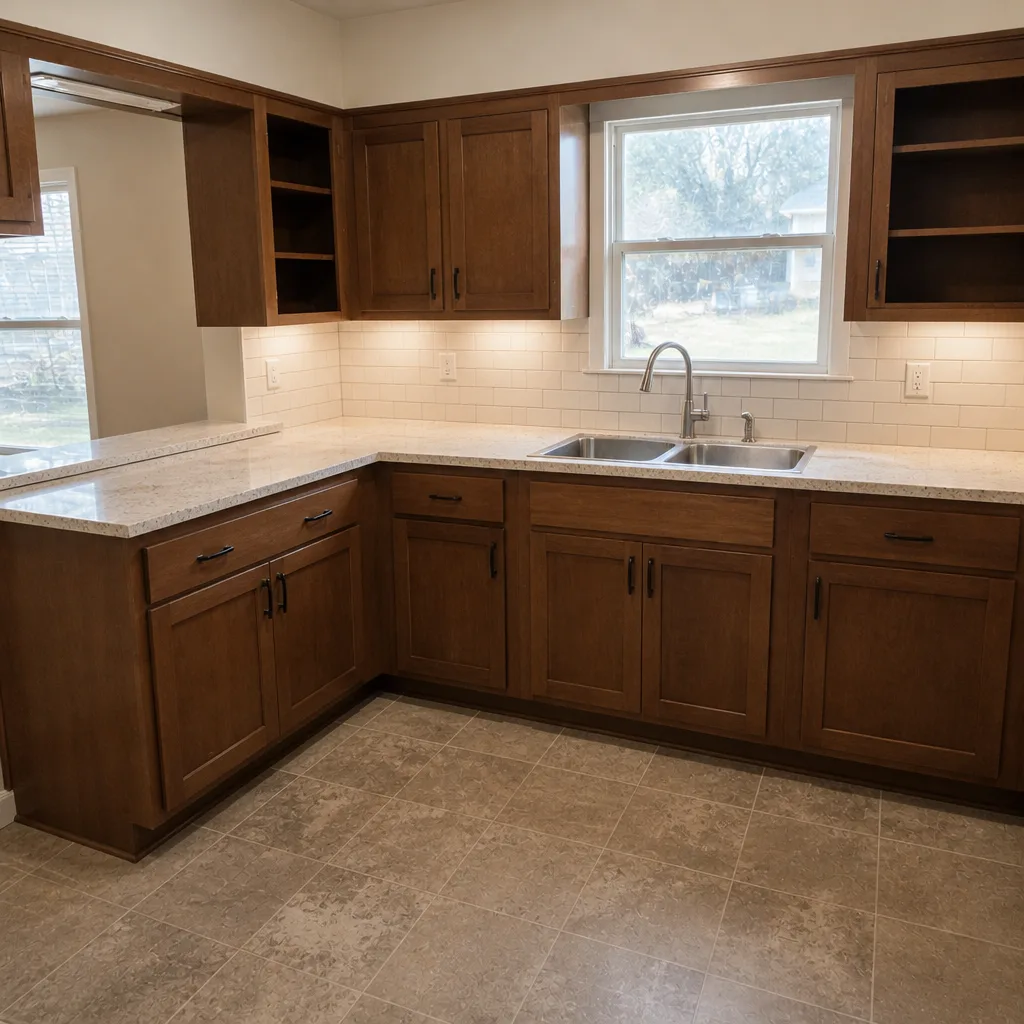 After
Replacement Cost & What’s Included
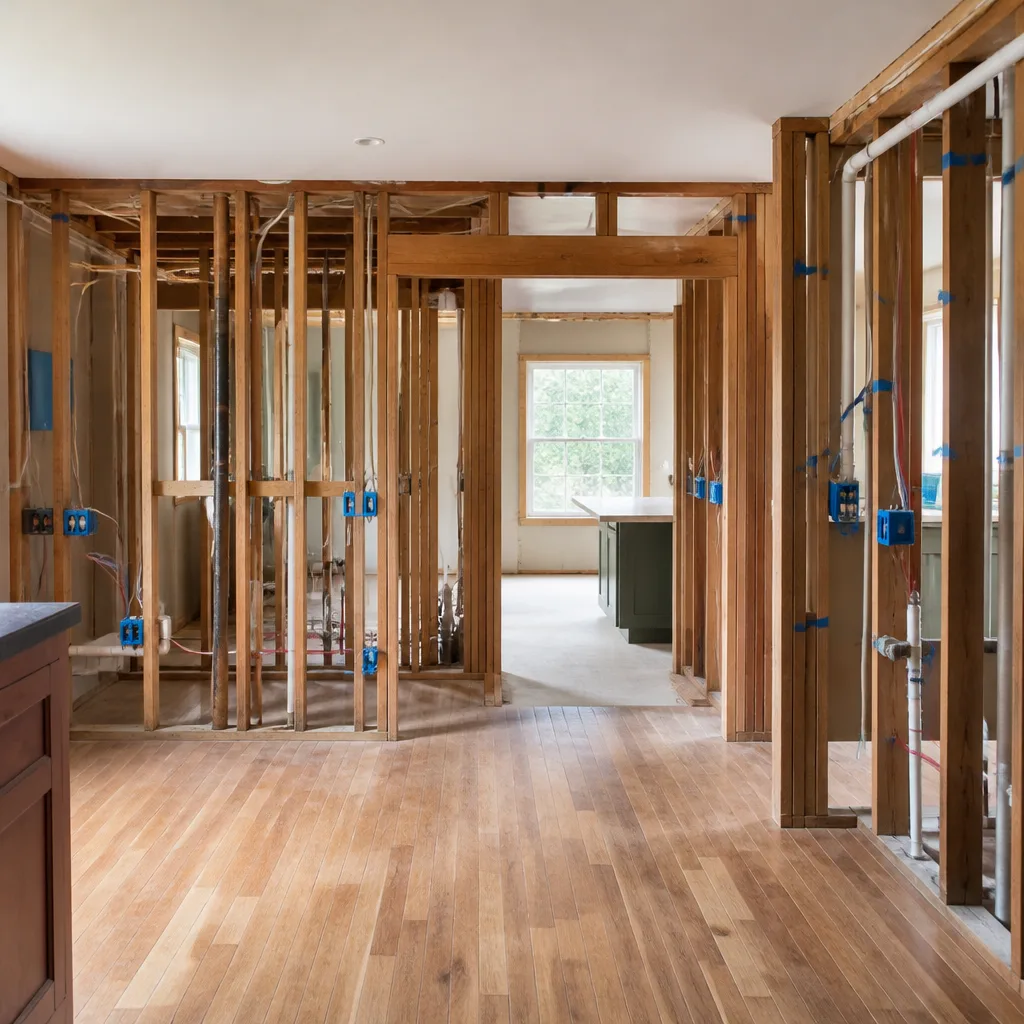
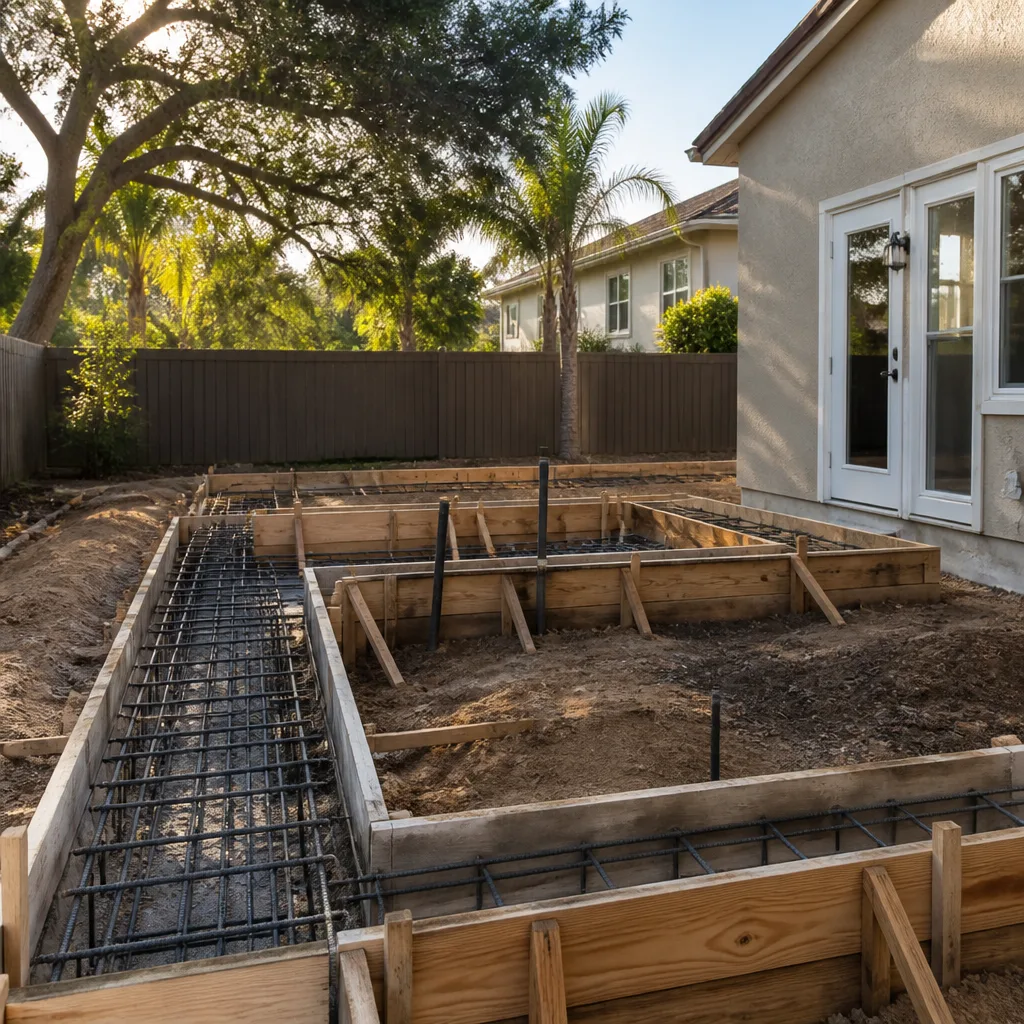
For an IKO-based addition or ADU in Denton, the price breaks into shell, systems and finish. What drives the range is square footage, foundation type (slab versus pier-and-beam, which is common in older Denton neighborhoods), whether the roof ties into the existing structure or runs independent, and the finish level inside. A garage conversion runs $30,000 to $80,000; a full addition runs $45,000 to $130,000; a ground-up ADU runs $90,000 to $220,000. Replacing a failed envelope component on an existing addition is priced as a repair within that scope, and the number is written before we start.
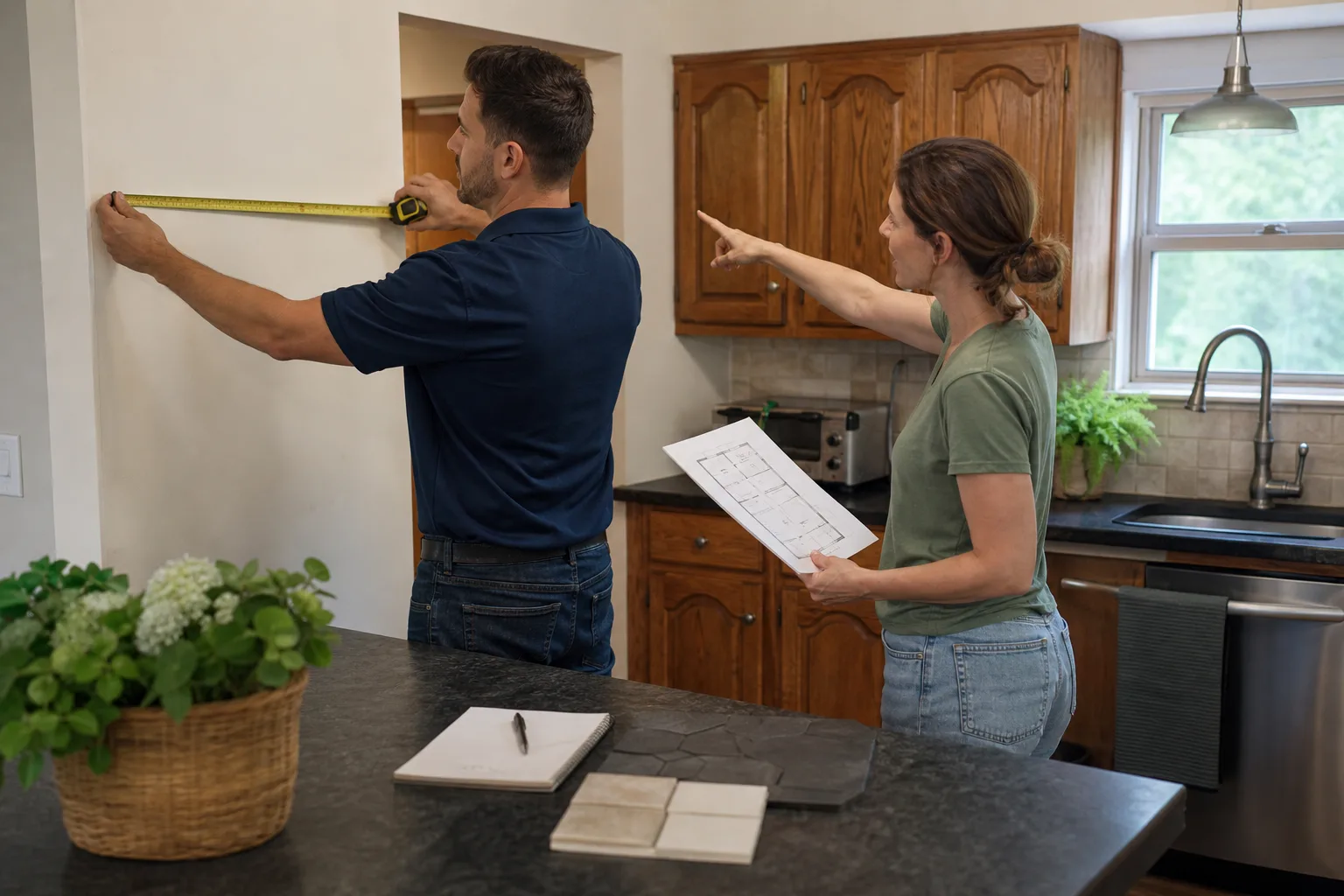
What the price includes: the IKO-compatible materials and their matching accessories, labor, permits pulled in the city’s name, and inspections passed. There are no numbers that move at the door, and no change orders without a written revision you approve. Every completed project carries the 365-Day Done Right Promise: if the work fails inside that window, we come back and correct it at no charge. That covers our workmanship and installation, not acts of nature or damage from something else hitting the structure.
DIY or Call Us?
What you can safely do: photograph the installed surface and any visible label, measure the shingle exposure or the barrier width, note where the water shows up inside, and check that gutters and downspouts are moving water away from the new wall. That’s diagnosis, and it’s useful.
Where it goes wrong: anything that means opening the envelope. Removing siding or shingles to reach a barrier, re-flashing a tie-in where the addition meets the original roof, or working the roof plane itself puts you on a ladder at height with a cut-open wall behind you. A mislapped barrier is invisible for a season and then rots a wall cavity, and the repair costs more than the original install. Leave the envelope work to a trained crew. For the diagnosis and a written number, call (844) 651-3175 and a live person picks up, any hour, any day.
FAQs
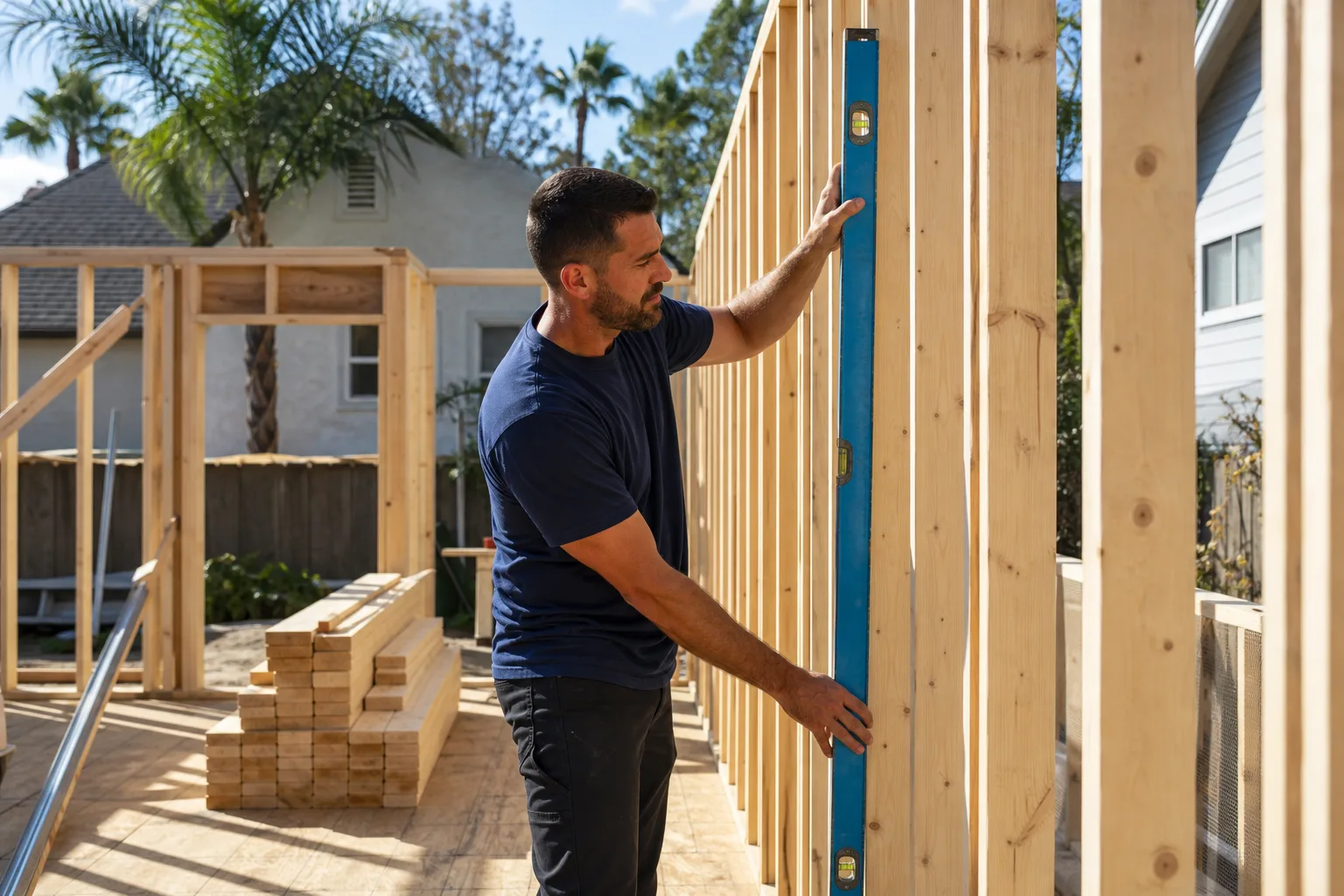
A properly installed IKO roof assembly on an addition typically gives 20 to 30 years in North Texas before the shingles need replacing, and the underlayment and barrier underneath it are the parts that decide whether you get the long end. Denton’s hail season is the wildcard, not the material itself. Call (844) 651-3175 for a written assessment of your specific assembly.
Often yes, if the failure is local: a seam, a flashing detail, a section of barrier behind one wall. A full replacement is the honest answer when the barrier was installed with the wrong permeability for the wall or the roof underlayment has reached the end of its service life across the whole plane. We’ll tell you which one you’re looking at in writing before any work. Call (844) 651-3175 for a free estimate.
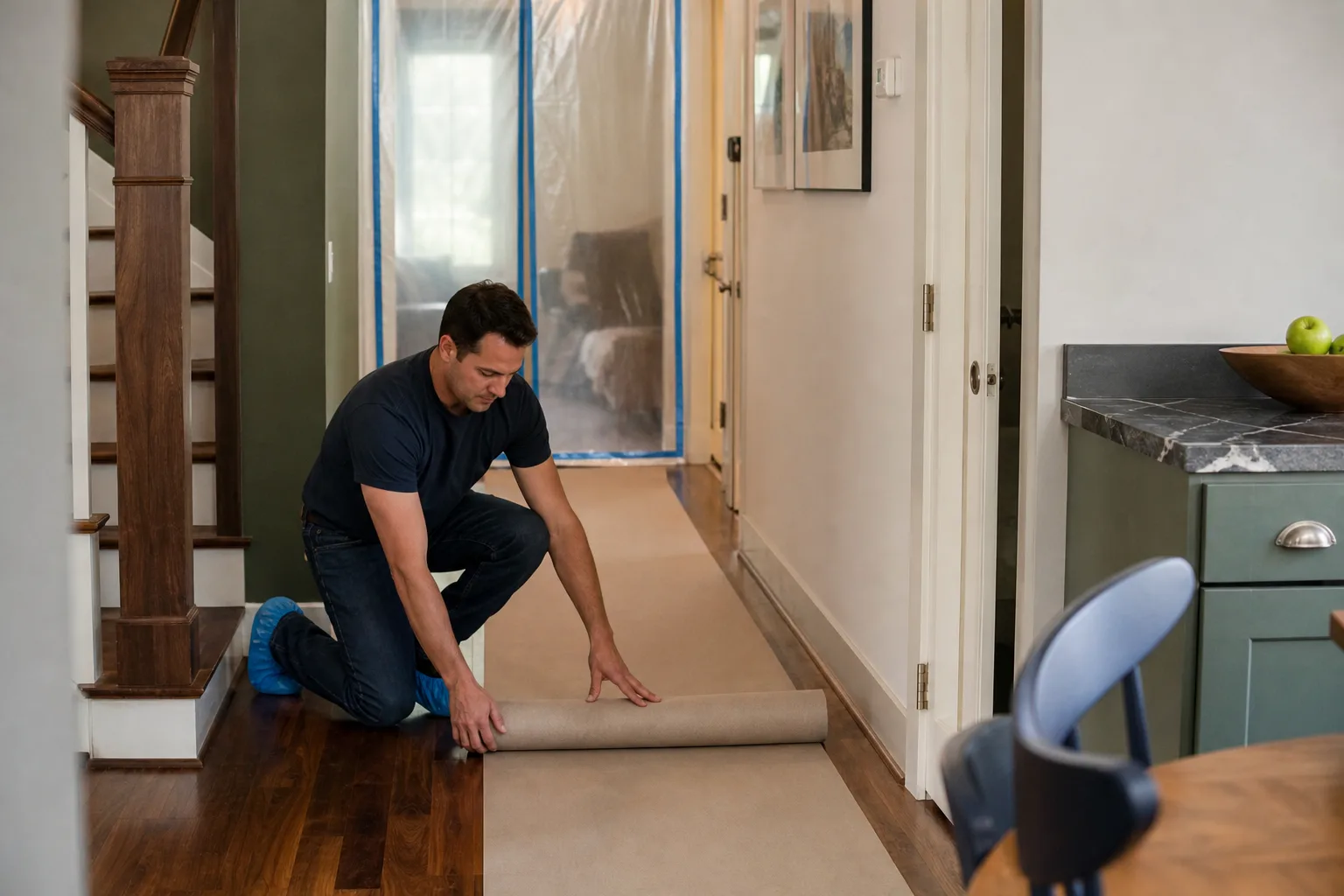
A localized envelope repair on an existing Denton addition usually runs a few days to a couple of weeks depending on the wall area and roof access. A full barrier or underlayment replacement across a whole addition is a multi-week job with the interior protected while the exterior is open. Your written scope states the schedule and the sequence. Call (844) 651-3175 to get that number.
We identify the model from the installed material or its label, then spec the matching IKO component and its accessories from a documented supplier, so the part number, the manufacturer spec sheet and the warranty all trace back to the assembly. If a quality aftermarket equivalent is the right call for a hidden component, we name it and show you the spec match. Call (844) 651-3175 to start with a free estimate.
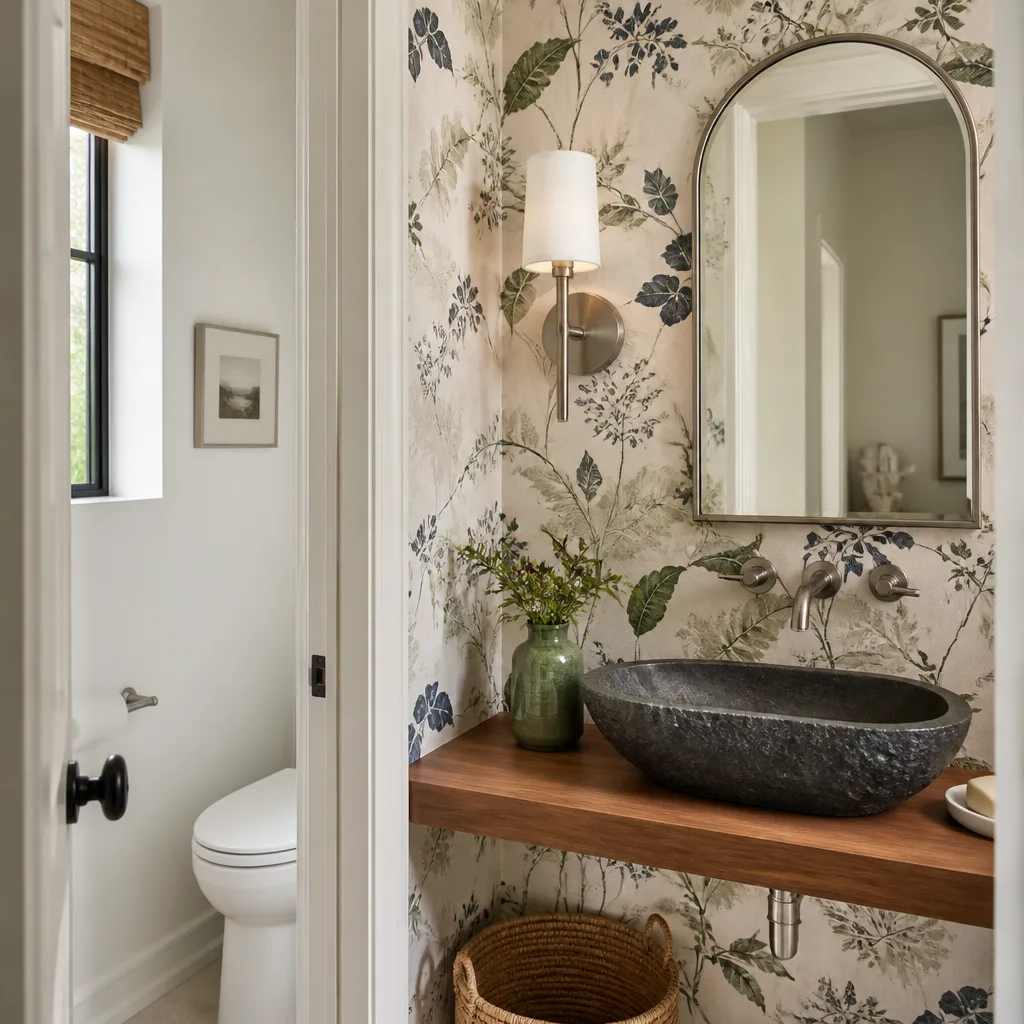
For kitchen and bath work inside the new space, we also install KraftMaid and Cambria cabinetry and surfaces, plus Silestone and other documented brands, so the interior specification is as traceable as the shell.
Written by the team at Bradford Remodeling Co Denton, serving Denton and nearby areas.