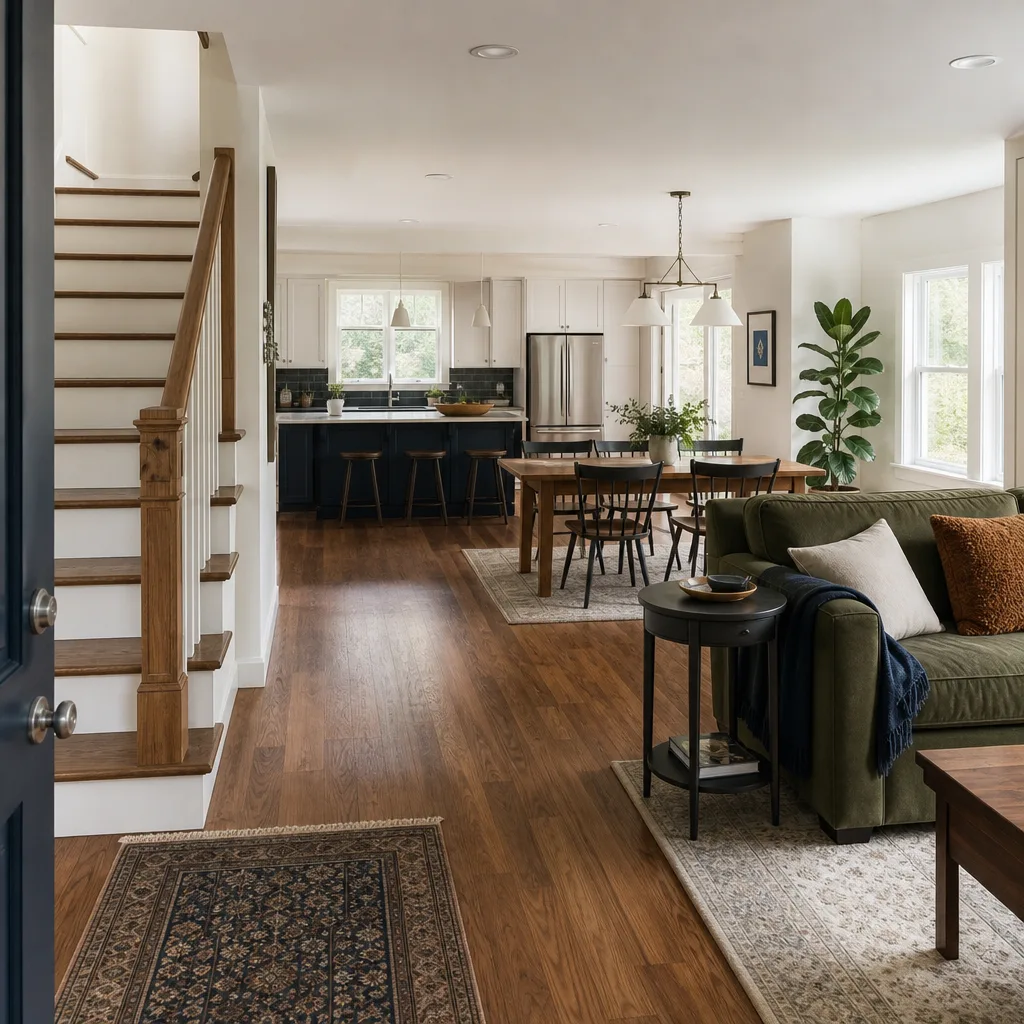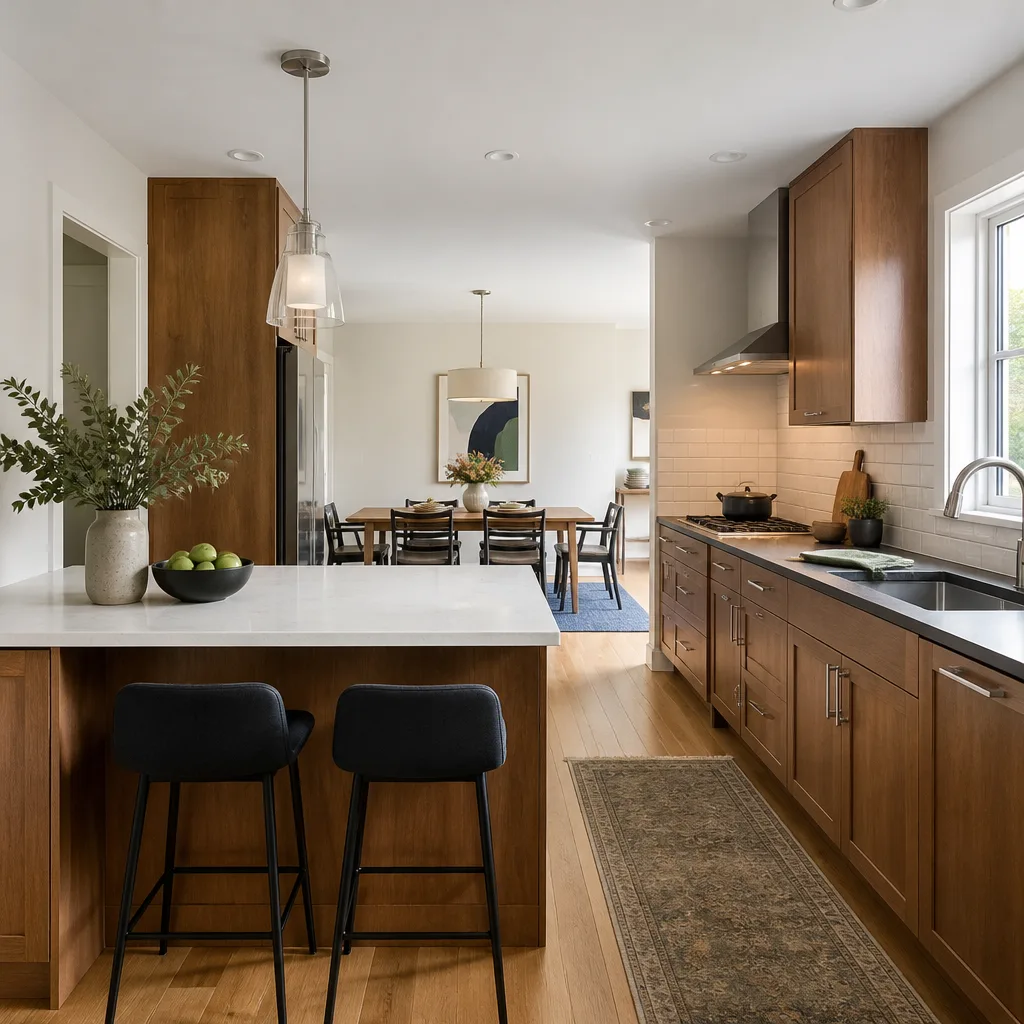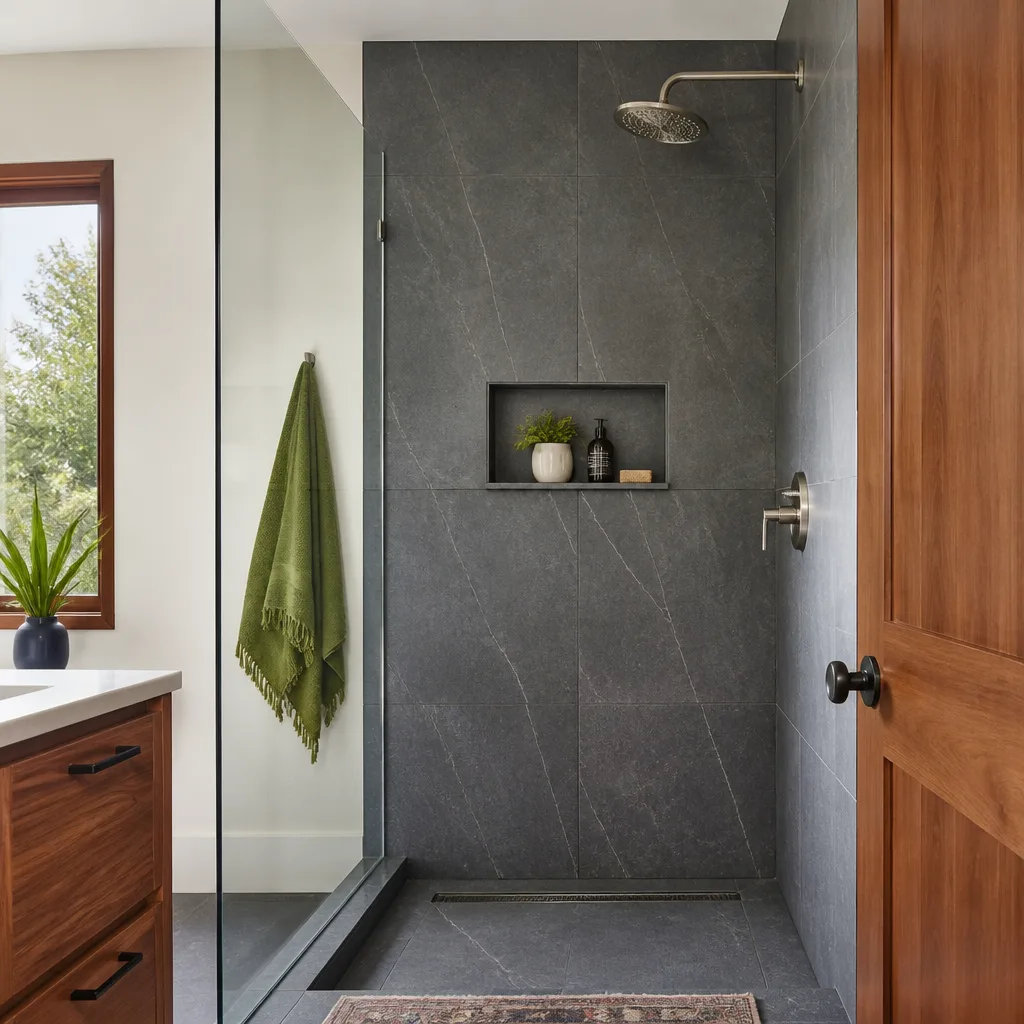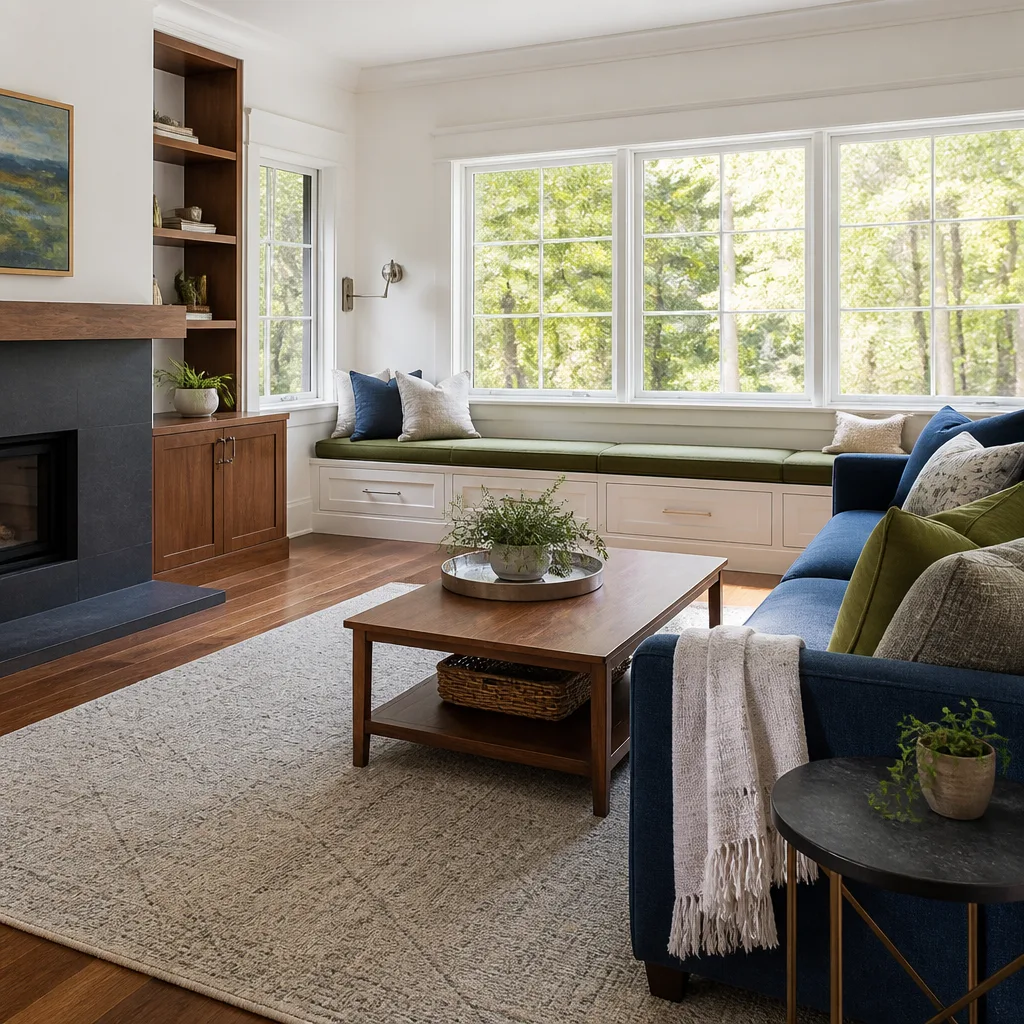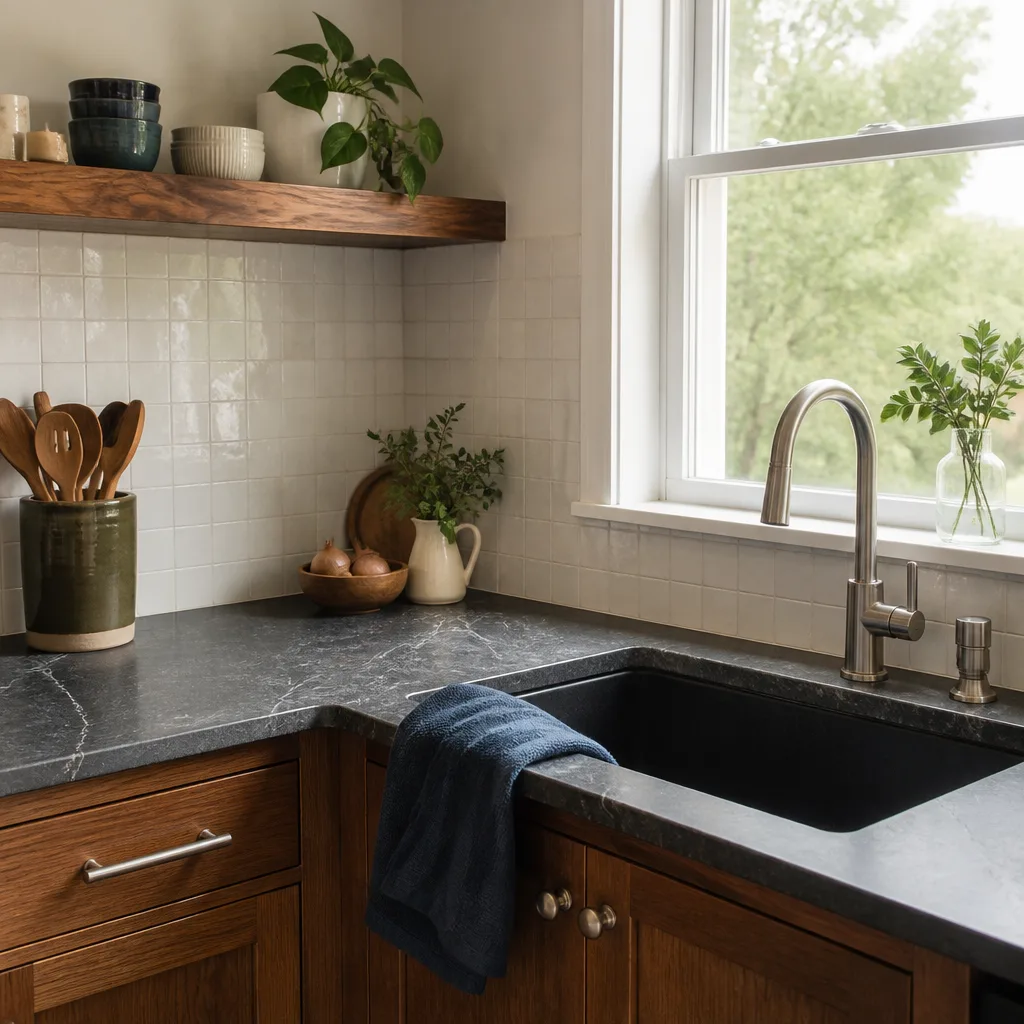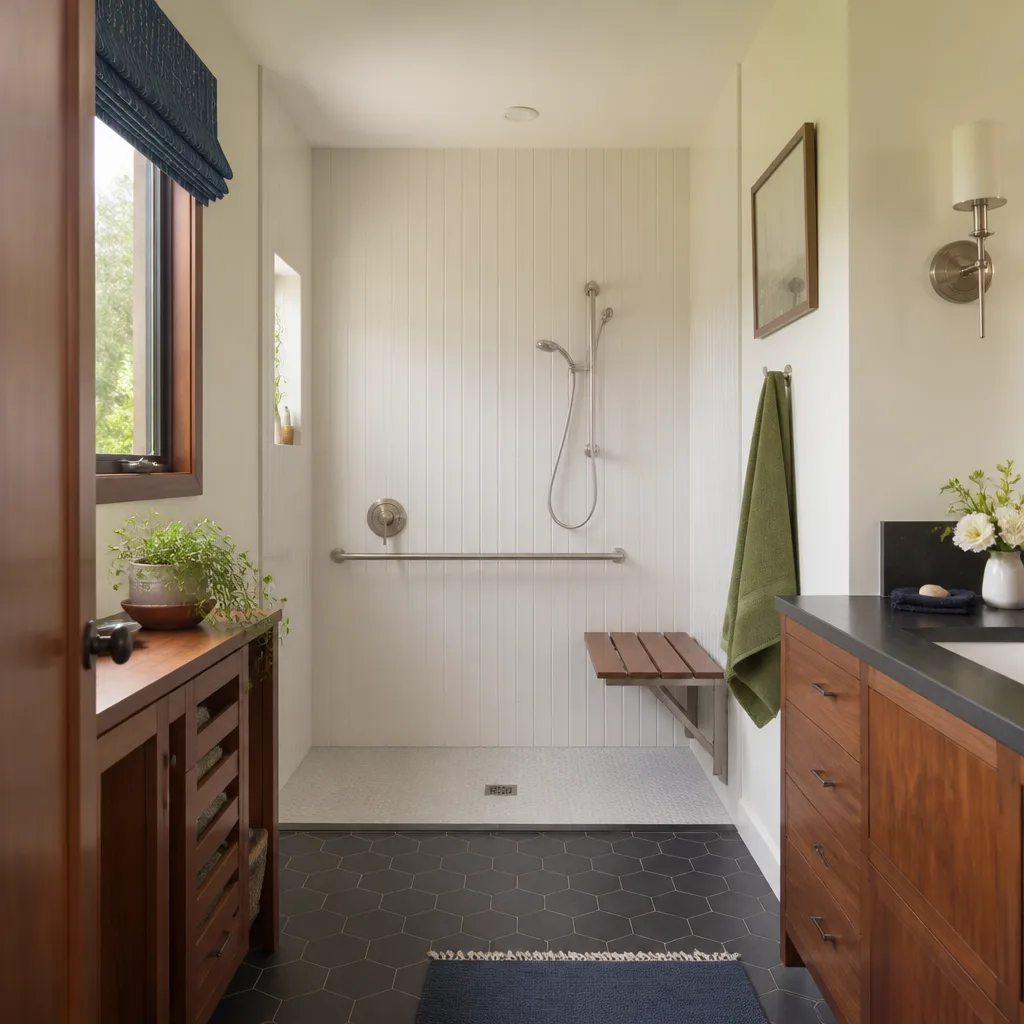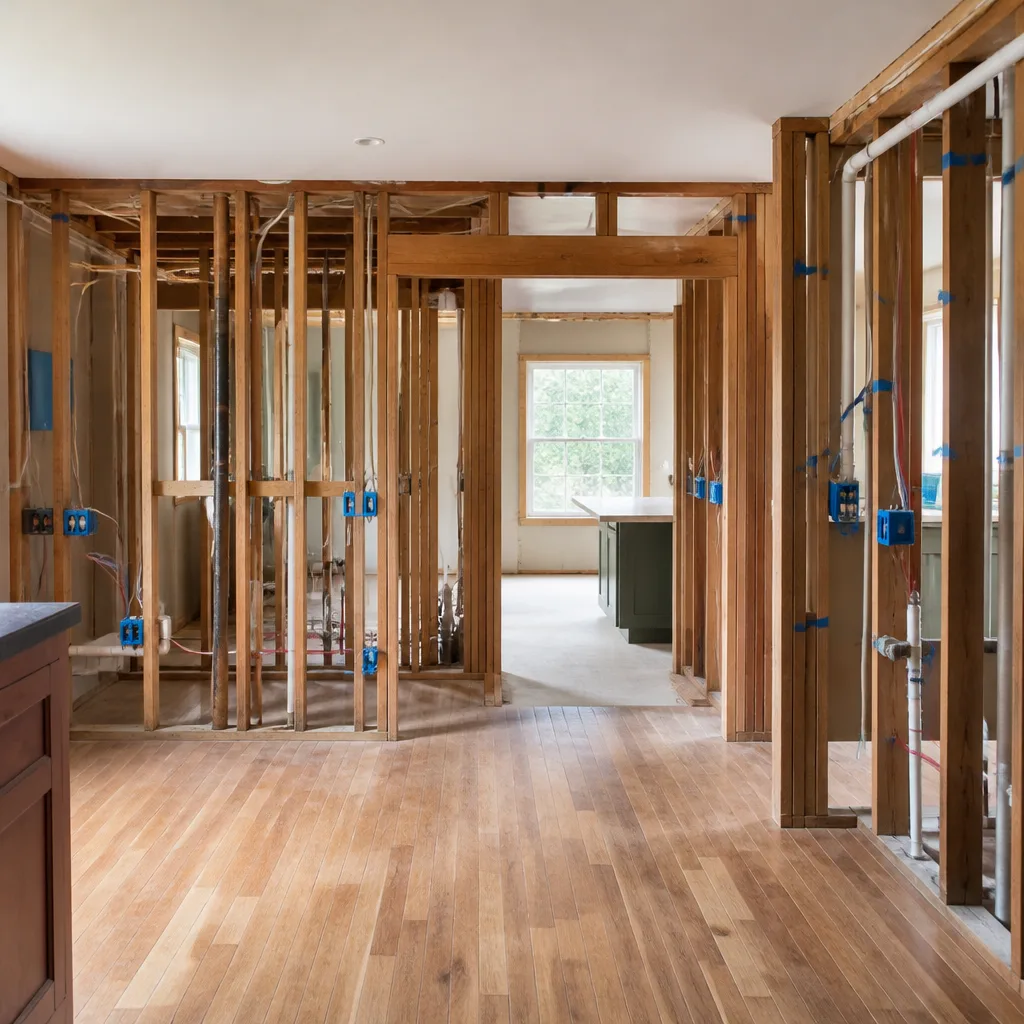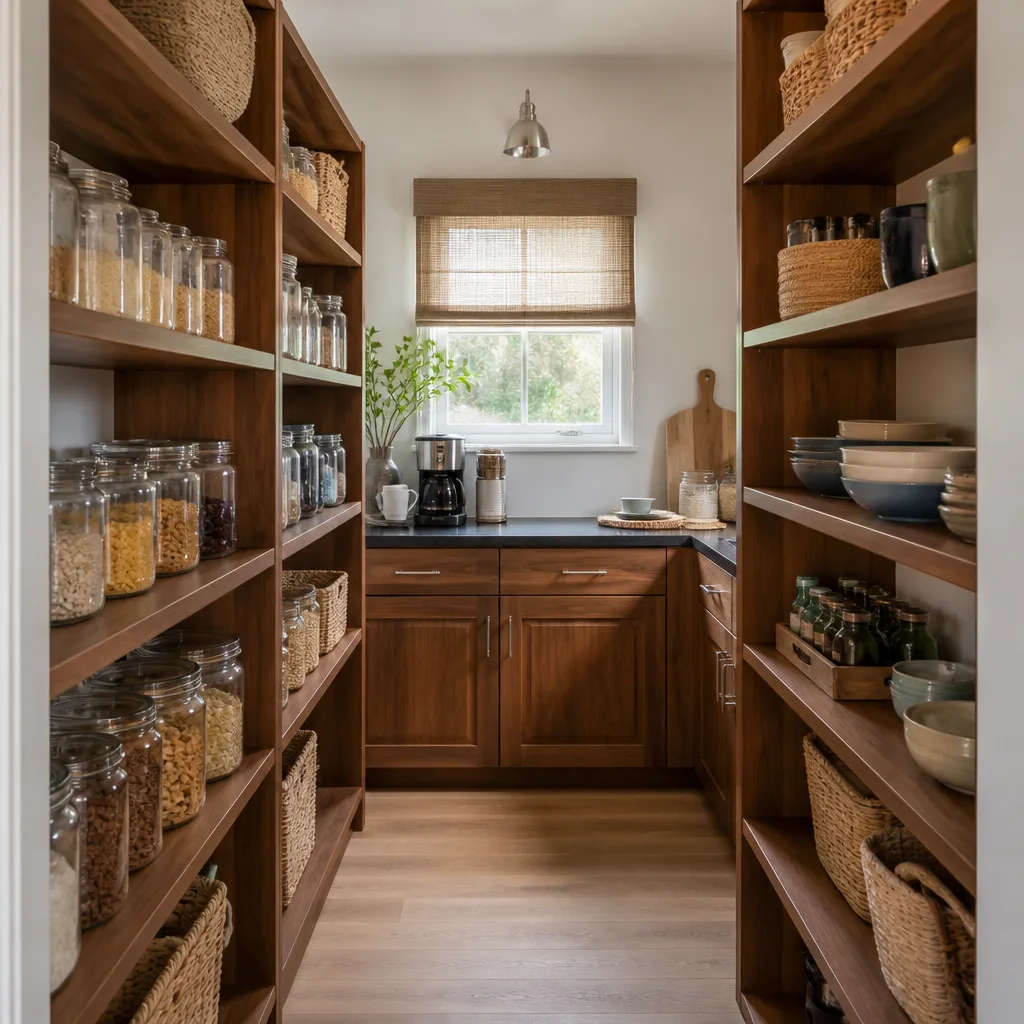

Free written scope consultation - allowances, timeline, and change-order rules on paper before a single trade is scheduled
Abodu Home Additions & ADU: The Denton Owner’s Guide
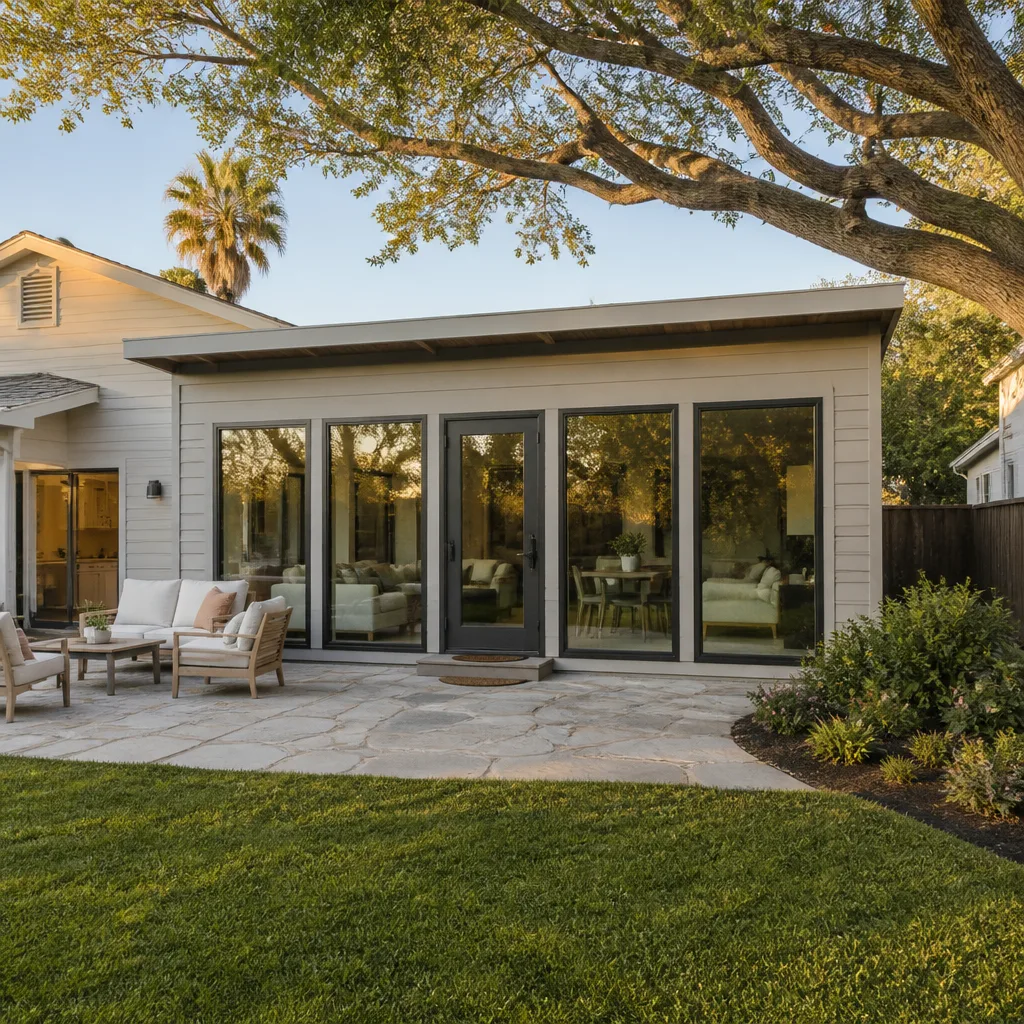
If you own an Abodu home addition or ADU in Denton, the structure is usually modular and factory-built, so the “part” that fails is almost never the whole unit. It’s a specific component that wears out on a predictable schedule: a door or window assembly, a roof or wall panel junction, a HVAC mini-split, a footing or anchor point. Replacement and repair work on an Abodu-compatible addition in Denton typically runs $45,000 – $130,000 for a full addition scope, while a targeted component repair runs a small fraction of that. Most owners discover the problem after a Denton storm, when water shows up where it never did before, or when the ADU stops holding temperature the way it used to.
Key takeaways
- Abodu units are factory-built modular structures, so parts and panels are sourced by module, not by generic home-center sizes.
- Denton’s clay-heavy Blackland Prairie soil and summer heat cycling are the two biggest drivers of Abodu failures here.
- Every project Bradford Remodeling Co Denton completes carries the 365-Day Done Right Promise – if the work fails within a year, we return and correct it at no charge.
- You get a written price before any work starts, and a live person answers the phone 24/7.
Bradford Remodeling Co Denton is an independent remodeling contractor. We’re not affiliated with Abodu, and we don’t claim to be. What we do is diagnose what actually failed on your Abodu addition and give you a written scope and a written price to fix it.
Which Abodu Models This Applies To
Abodu builds its units in factory-controlled modules and ships them to the site, which means the components are part-numbered by module and by generation. That matters because a six-month panel change or a switch in the window and door supplier can mean a replacement part for one generation won’t fit the next. Before we quote anything, we pull the model and serial info off the unit’s data plate – usually inside the electrical panel or on a frame rail – and cross-check the module spec.
The specific compatibility gotchas we run into in Denton:
- Panel and cladding profiles change between generations. A 12-inch lap or a specific reveal on a wall panel isn’t universal across Abodu builds. Ordering the wrong profile leaves a visible seam and a water path.
- Roof and wall panel junctions are the first thing to leak. The sealant and flashing at the module seam is the wear item, not the panel itself. You can’t tell which from photos; we confirm it on site.
- Anchor and footing hardware is spec-specific. Denton’s expansive clay soil moves seasonally, and the anchor tolerances are tied to the original footing design. Using generic hardware is where DIY jobs most often fail.
Styles & brands we work with
- Kitchen remodeling
- Bathroom remodeling
- Home additions & ADU
- Roofing
- Windows & doors
- Driveway & pavers
- Fence
Signs Your Abodu Home Additions & ADU Is Failing
Owners usually discover the problem as one small, persistent symptom and write it off for a season. These are the five that mean it’s time to get it looked at:
- Water inside after a Denton storm. A damp stain at the ceiling line, near a window frame, or at a wall or roof panel seam usually traces to a failed sealant or flashing detail, not the panel itself.
- Doors and windows that stick by season. If the door binds in summer and loosens in winter, the frame is moving on its footing as the Blackland Prairie clay under it swells and shrinks. That’s a footing or anchor diagnosis, not a door adjustment.
- The unit struggles to hold temperature. A mini-split that runs constantly in a Denton July points to degraded insulation in a panel cavity or an air leak at a module junction.
- Popped fasteners or a changed panel line. Gaps opening at panel seams or a screw backing out on its own signal movement between modules that needs to be re-secured to spec.
- Soft or spongy spots at the floor perimeter. Water tracking under a threshold or at a floor-to-wall junction will soften the substrate before you see a stain. Catch it early and the repair is smaller.
See the difference
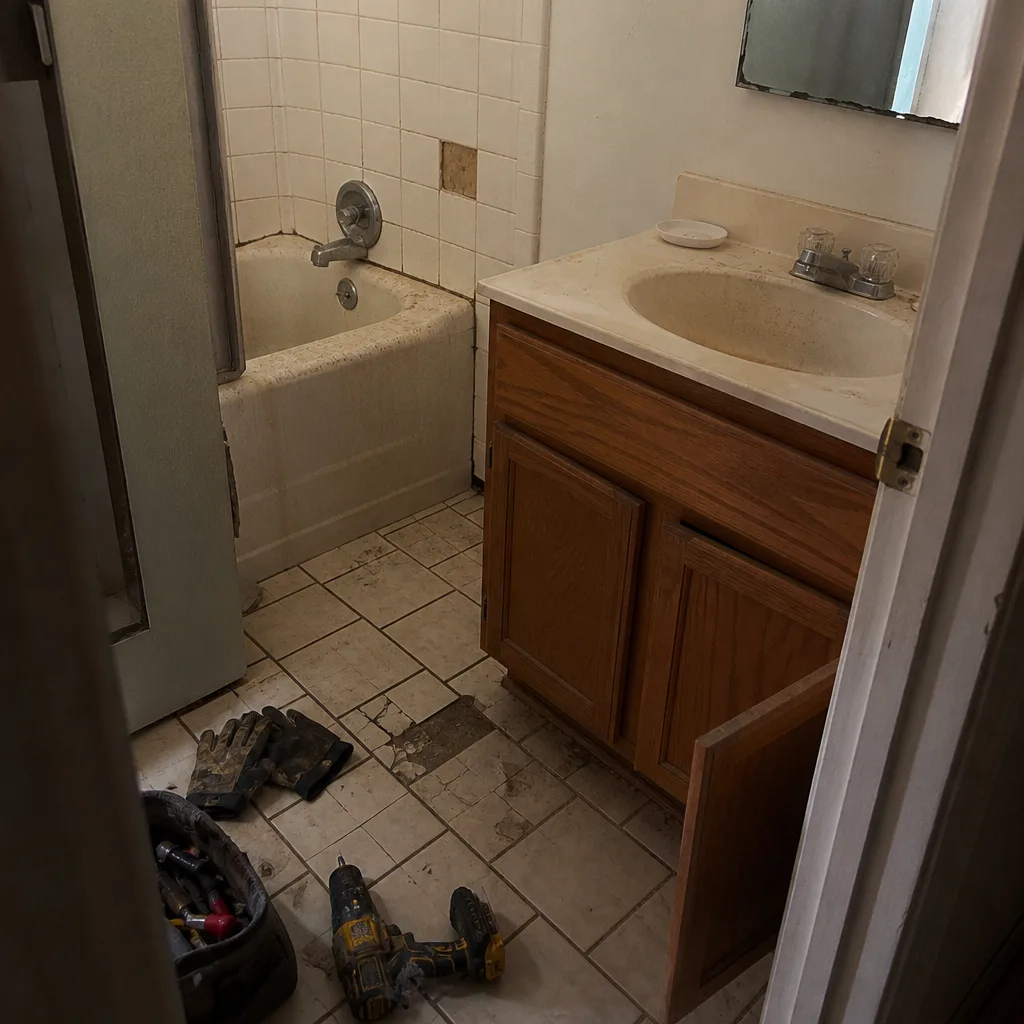 Before
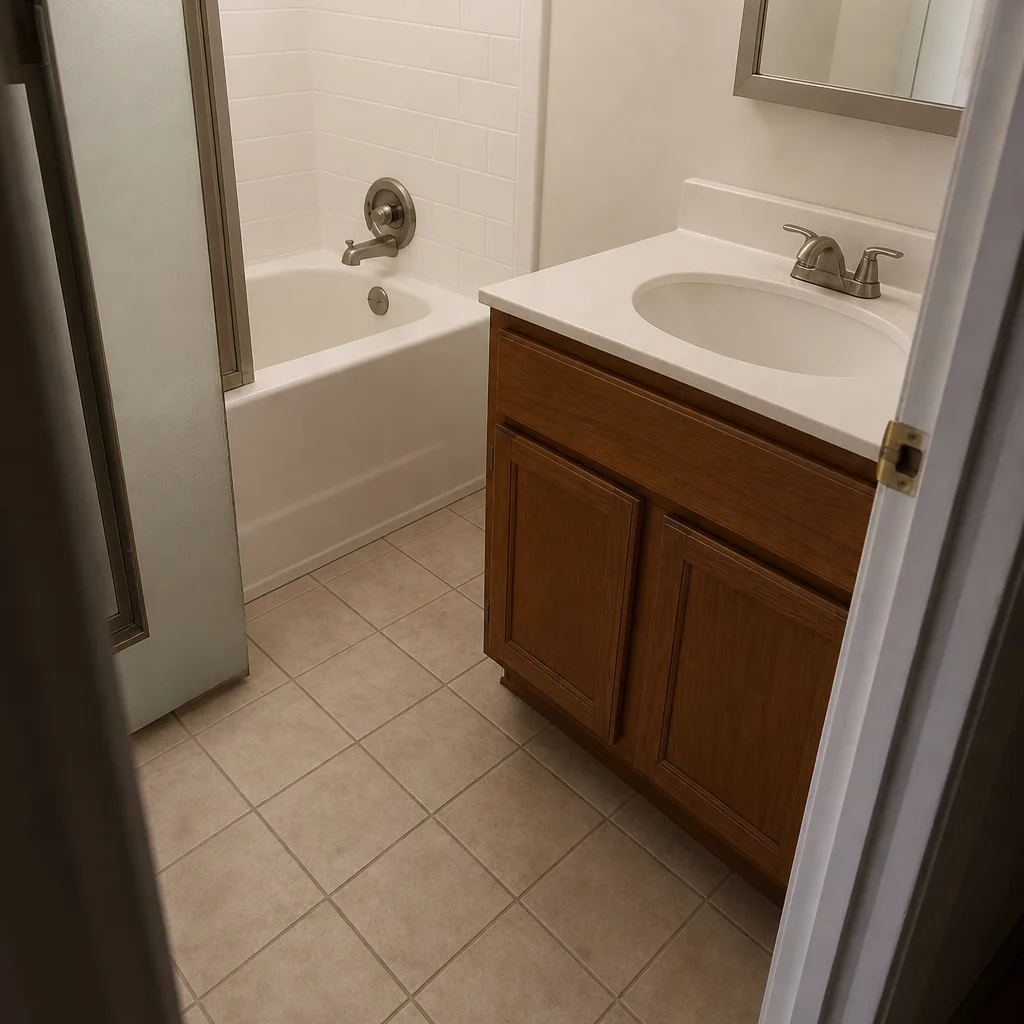 After
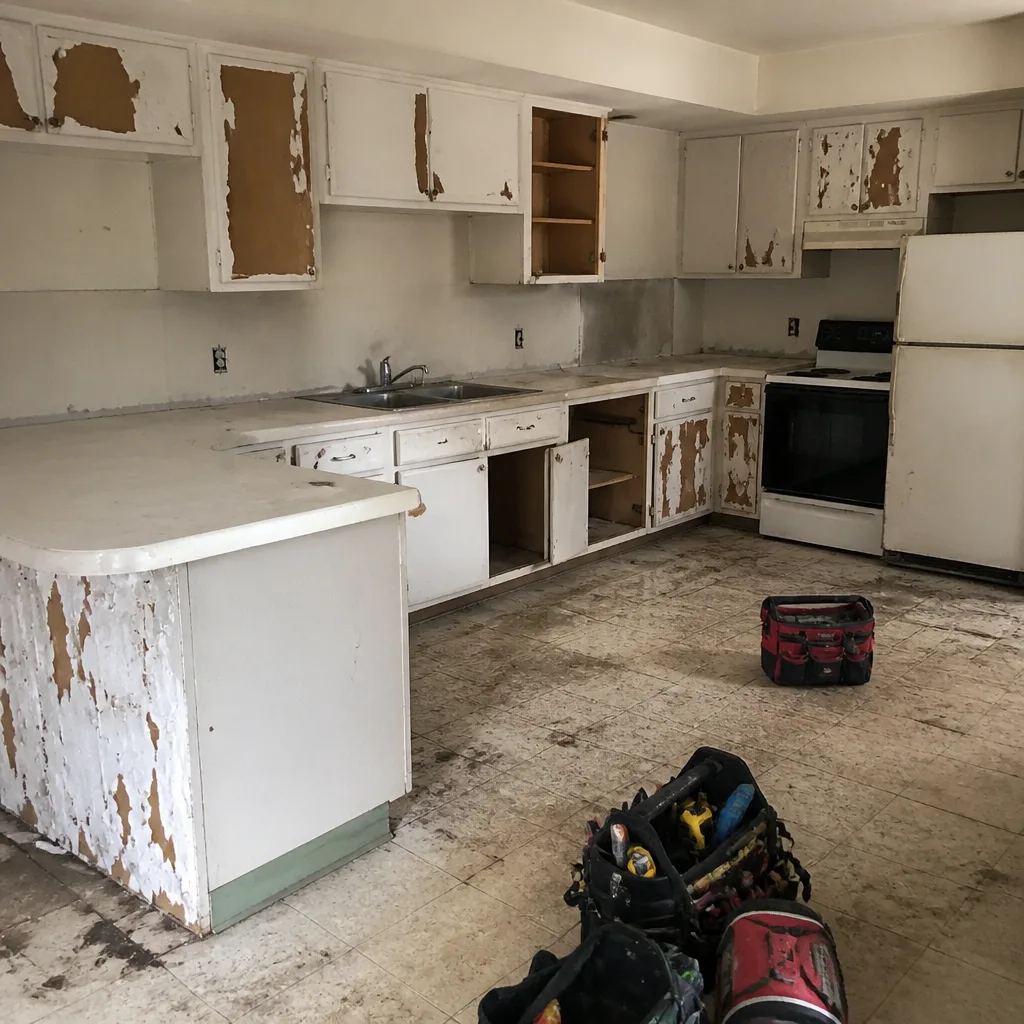 Before
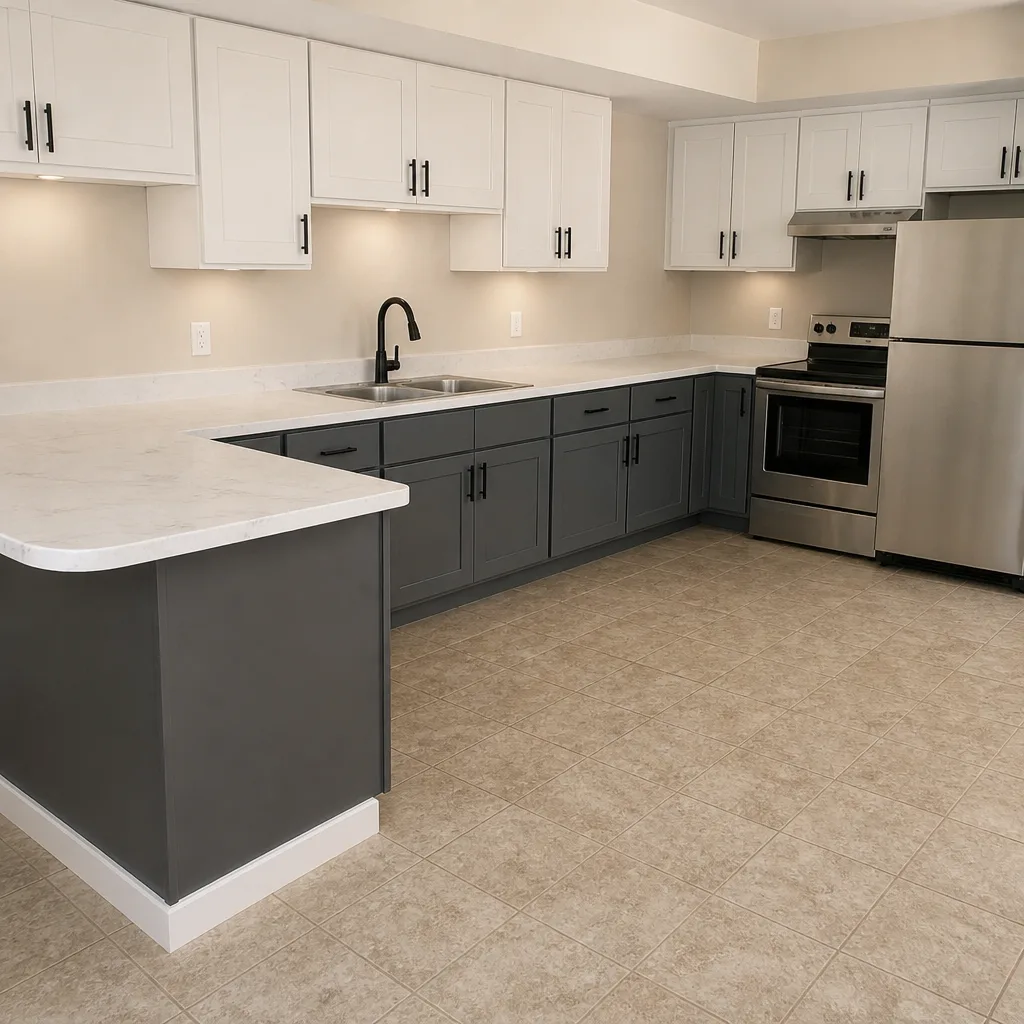 After
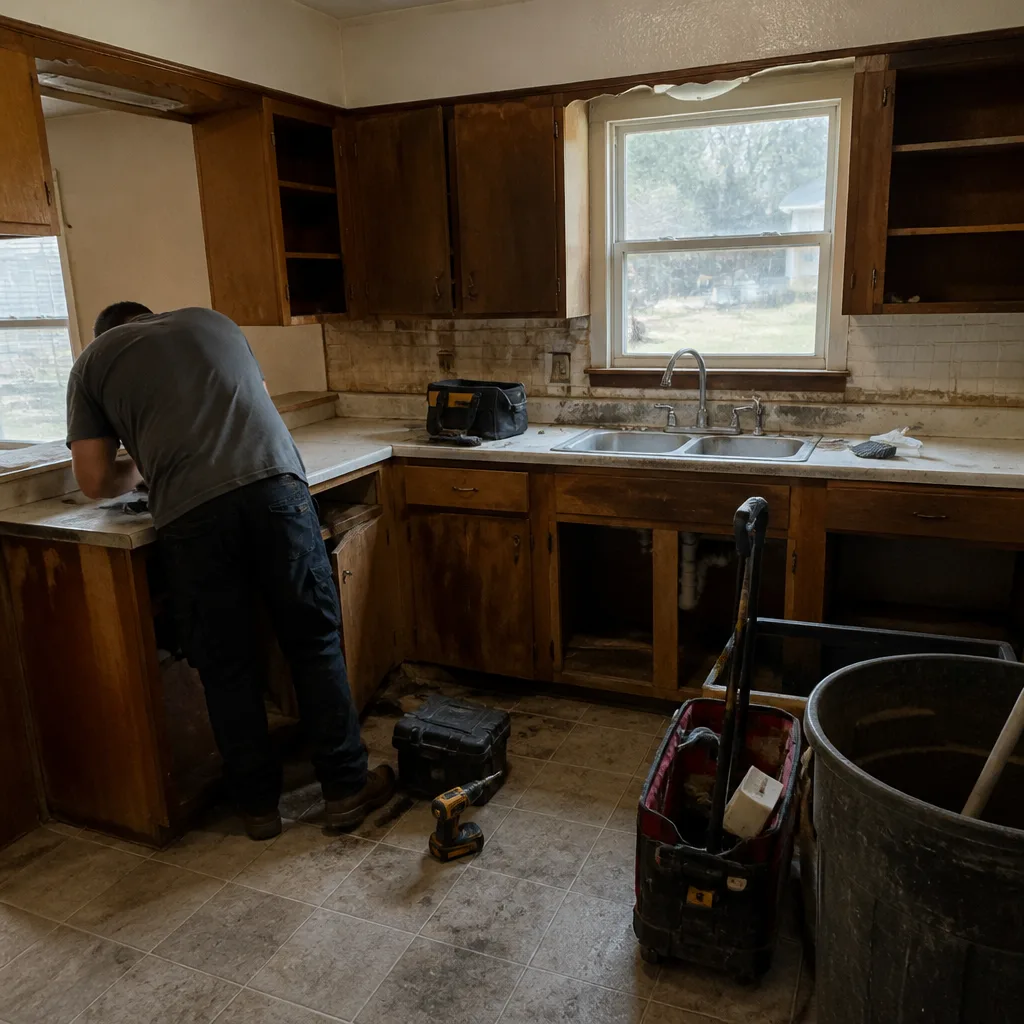 Before
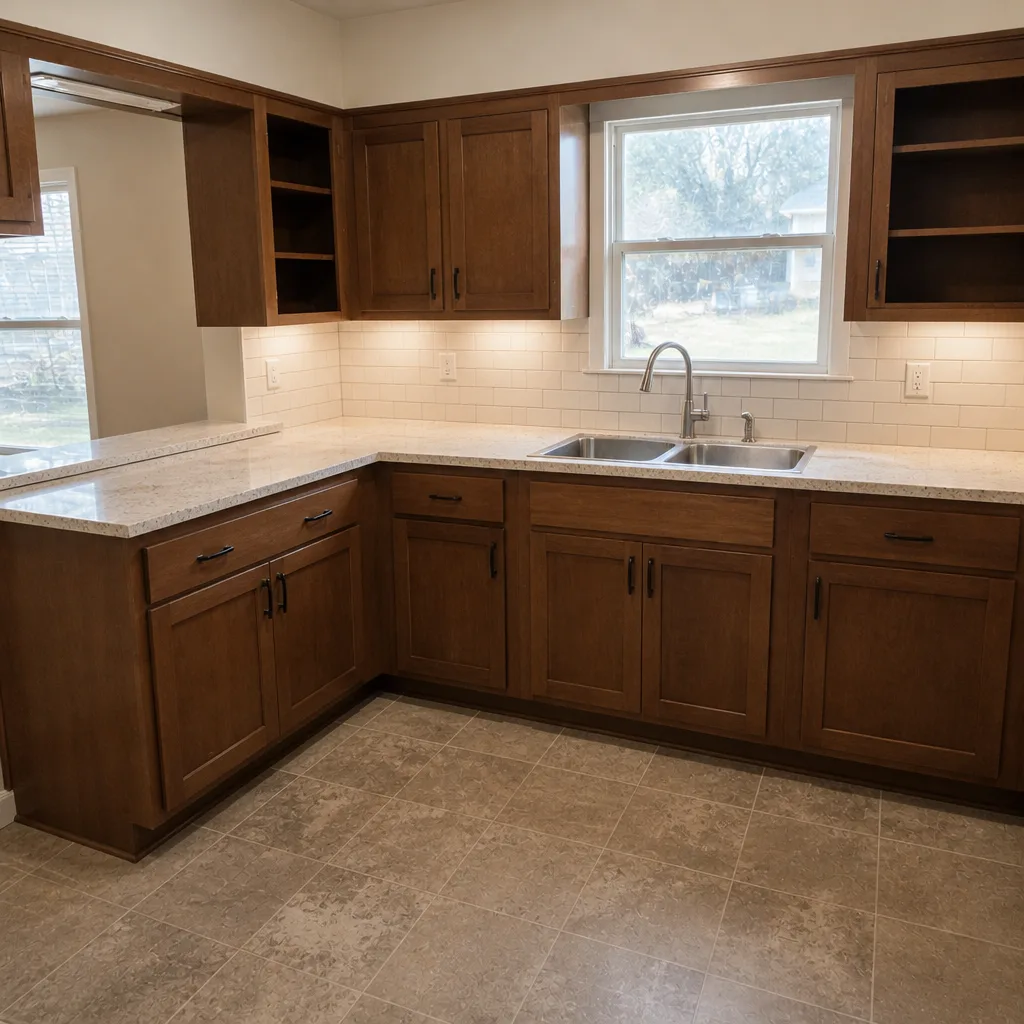 After
Replacement Cost & What’s Included
Here’s the honest pricing for Denton, broken down by scope, not left as “call for a quote.”
| Scope | Installed price range (Denton) |
|---|---|
| Full home addition (Abodu-compatible) | $45,000 – $130,000 |
| ADU construction | $90,000 – $220,000 |
| Garage conversion to ADU | $30,000 – $80,000 |
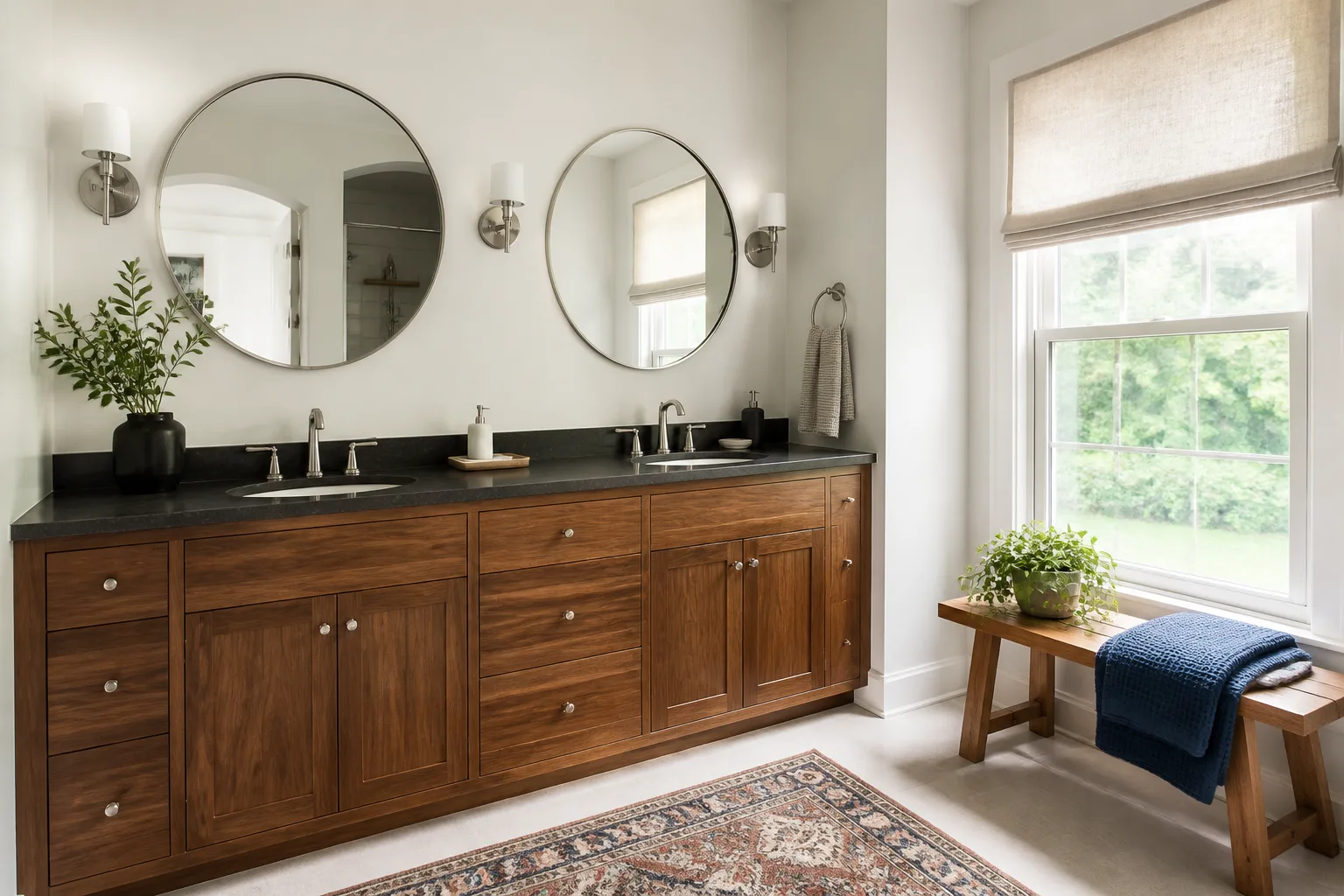
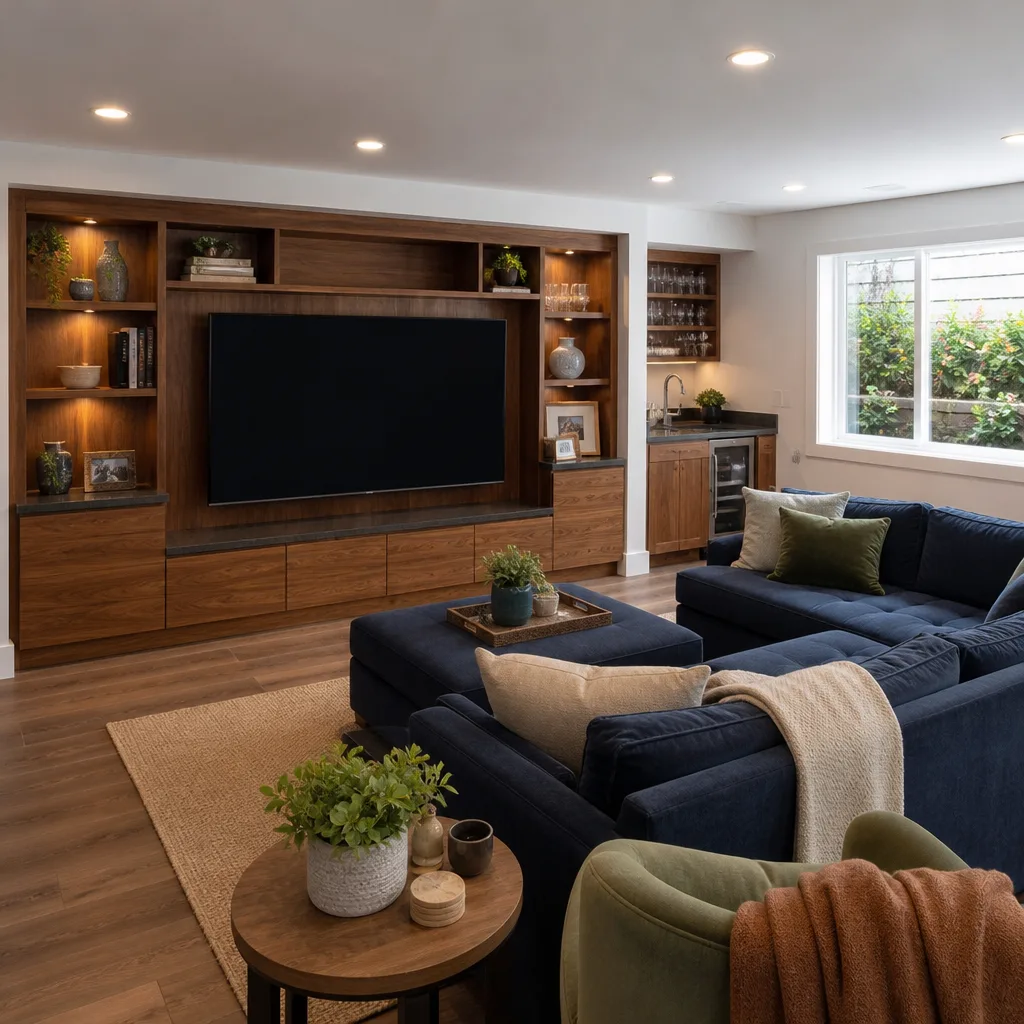
The range on a full addition is driven by four things: whether the foundation needs engineering work for Denton’s clay soil, whether you’re adding new MEP (mechanical, electrical, plumbing) or tying into existing, the finish level on cabinetry and surfaces, and permit and inspection work. We put all of it in the written price before a single tool comes out, with no numbers that move at the door. Every project here is covered by the 365-Day Done Right Promise – if the finished work doesn’t hold within a full year, we return and make it right at no charge.
DIY or Call Us?
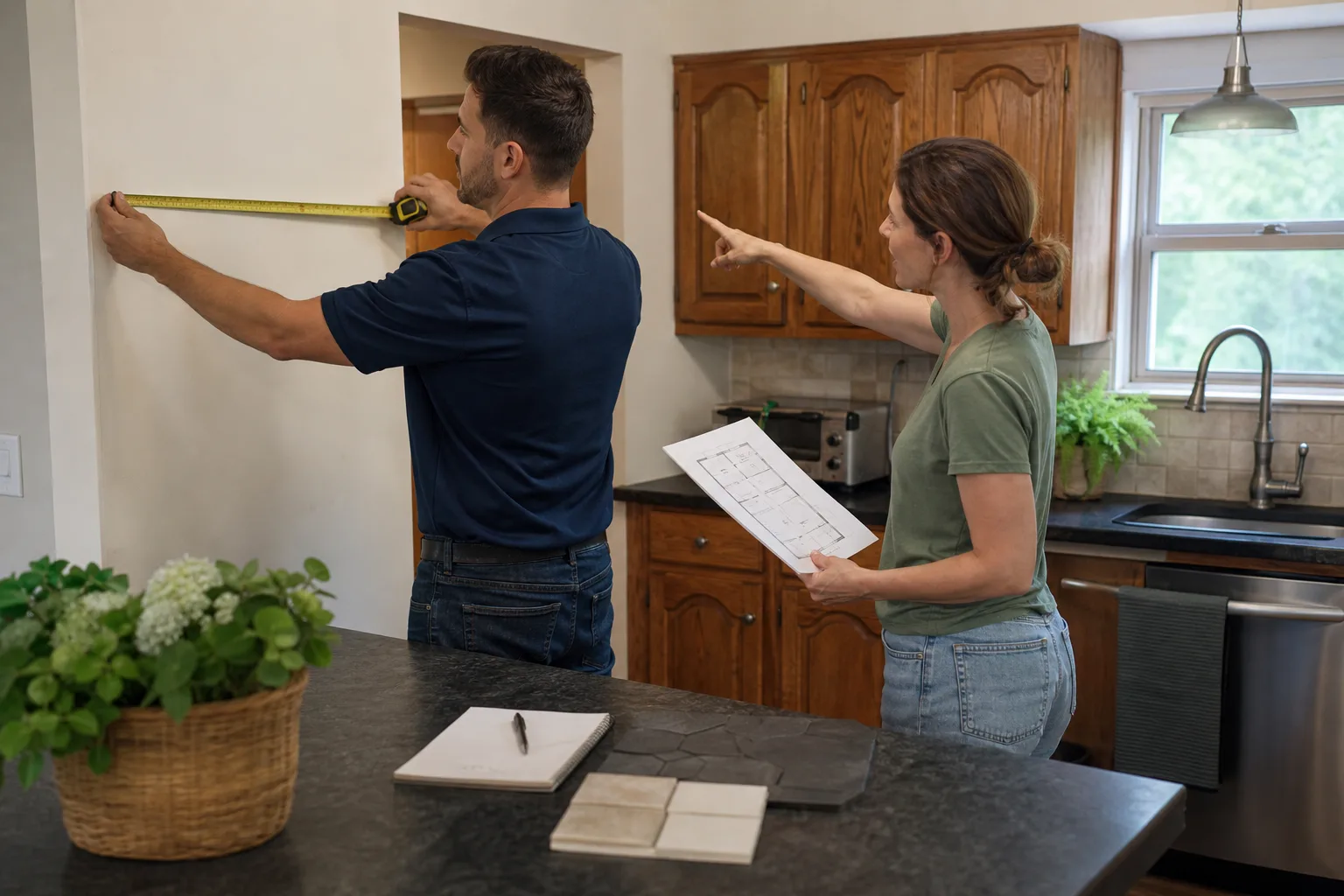
Some things you can safely check yourself, and some you can’t. What you can do: look at the Abodu data plate and write down the model and serial, photograph the failed seam or the damp stain clearly, and note what season the symptom started in and how bad it got. That’s diagnostic gold for us.
What you shouldn’t do is pull a panel, re-seal a roof or module junction, or re-anchor any part of the structure. The connections at the roof and wall panel joints are load-bearing and weather-sealed; a repair that looks done will fail through the next Denton heat-and-storm cycle and can make the water path worse. Panel and roof junction work done wrong is also a leak straight into the living space. Our technicians have up to 22 years of experience and know exactly where an Abodu junction fails. Call Bradford Remodeling Co Denton at (844) 651-3175 to schedule your free estimate – the number is answered by a live person, 24/7.
FAQs
How long should an Abodu addition last in Denton? A factory-built Abodu unit is built for a long service life, but in Denton the wear items are the roof and wall seam sealant and the footing contact points. Seals should be inspected roughly every 12 – 18 months here, given the clay-soil movement and summer-to-winter cycling. If a seal has gone bad, call (844) 651-3175 and we’ll tell you whether it’s a reseal or a bigger repair.
Can this be repaired instead of replaced? Usually, yes. The majority of what we see in Denton is a failed seam, flashing detail, or footing contact point – not a failed panel or module. A targeted repair is far cheaper than replacement. We’ll diagnose on site and quote the repair first.
How long does the work take? A seam or flashing repair is typically a short, single-day job. A footing correction or a panel re-anchor can take longer and depends on the clay conditions under your unit. You’ll get a written timeline with the written price before we start.
How do you source the part? We source Abodu-compatible panels and components through the manufacturer or an equivalent-name-brand supplier, and we confirm the exact module and generation against your data plate before we order. The materials we install come from a documented roster of name brands – KraftMaid, Cambria, and Silestone for interior surfaces, along with our full range of builder-traceable suppliers – so you can verify every spec and warranty that backs the work. Call (844) 651-3175 for your free estimate.
Written by the team at Bradford Remodeling Co Denton, serving Denton and nearby areas.