
Free written scope consultation - allowances, timeline, and change-order rules on paper before a single trade is scheduled
James Hardie Bathroom Remodeling: The Denton Owner’s Guide
James Hardie bathroom remodeling in Denton typically runs $9,000 to $28,000 for a full gut-and-refit using James Hardie backer and exterior-rated components, and because we quote a written price before any work starts, the number you get is the number you pay. Your first sign something is wrong usually shows up as a soft patch near the tub, a grout line cracking along the same wall every 18 months, or a shower corner that keeps staining no matter how often you scrub it. Owners find these problems late, because the failing layer – the fiber-cement backer under the tile – is invisible until water has already found it.
Which James Hardie Models This Applies To
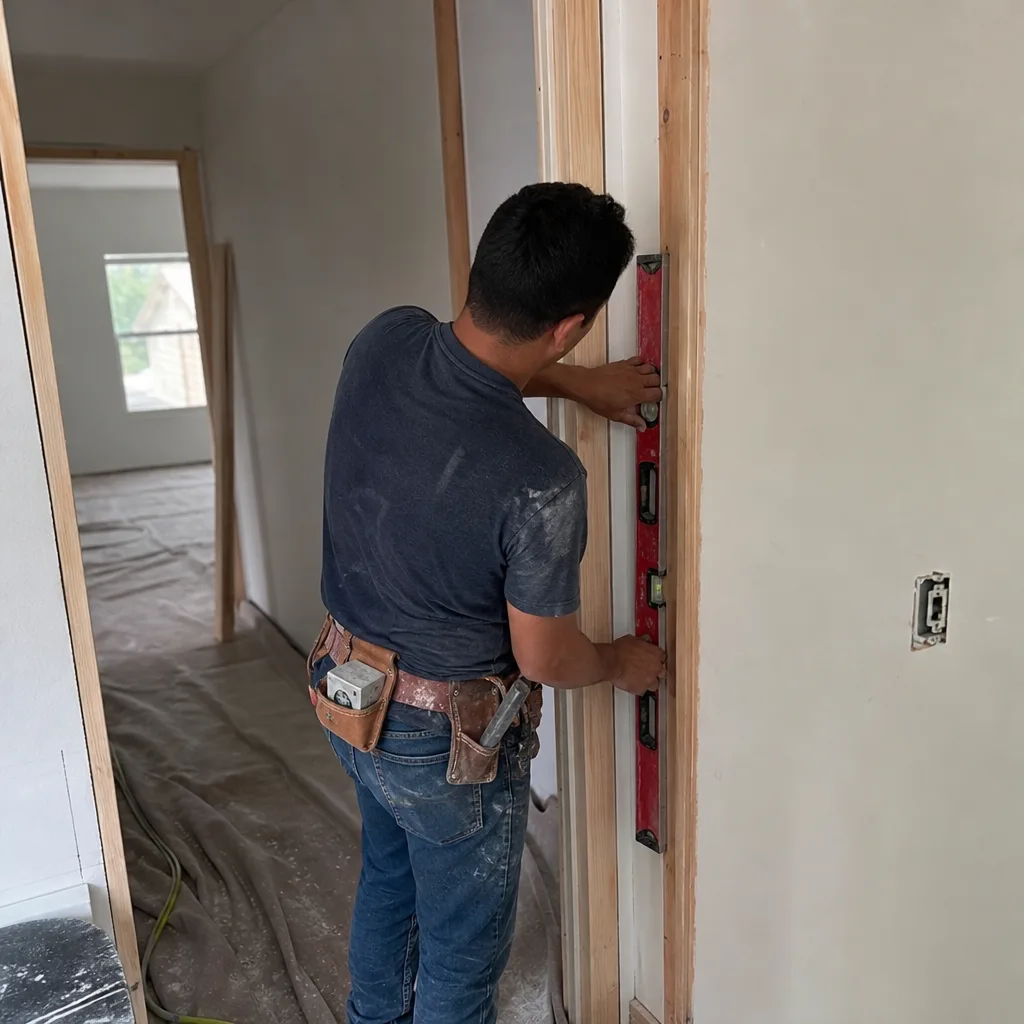
James Hardie makes two product families that touch a bathroom. The interior side is HardieBacker cement board in 1/4-inch and 1/2-inch panels, sold as 3×5 and 4×8 sheets. The exterior side is HardiePlank, HardiePanel, and HardieTrim, which matter when a bathroom remodel moves a window, adds a vent, or changes siding on the wall that backs the shower. There’s no model number stamped on a backer board, so you identify what you have by thickness, sheet size, and the printed label on the face. Take a photo of the label before demolition crews pull it.
For exterior James Hardie siding, the man-made specs live on the back of the lap, printed on the raw face, not the finished face. HardiePlank HZ10 comes in 5/16-inch thickness with a 30-year non-prorated limited warranty; the older HardiePlank lap siding that predates 2019 may carry a 30-year prorated warranty, so replacing one damaged lap means matching the exact profile and thickness or the wall won’t line up.
Here’s where the OEM-versus-aftermarket decision gets real. For backer board, you don’t need James Hardie specifically. A 1/2-inch cement board from another maker meets the same substrate need, and within a wet area the waterproofing membrane above it matters more than the brand below it. For siding and trim, you do need the James Hardie profile match. An aftermarket lap board that’s 1/16-inch thinner will telegraph through the paint line within a Texas summer.
Styles & brands we work with
- Kitchen remodeling
- Bathroom remodeling
- Home additions & ADU
- Roofing
- Windows & doors
- Driveway & pavers
- Fence
Signs Your James Hardie Bathroom Remodeling Is Failing
- Grout cracking in the same line year after year. The backer board is moving because it was screwed too sparsely or nailed instead of screwed. HardieBacker wants fasteners every 8 inches on center, and a crew that nailing every 12 inches creates flex that tile can’t survive.
- Soft or spongy floor near the toilet and tub. Water is getting past the subfloor because the backer board was set directly against wood with no waterproof layer. This is the failure Denton homeowners call about most often after a tenant or a grown kid leaves a shower curtain out of the tub.
- White chalky stains around the shower curb. Not soap scum. Efflorescence means water is wicking through the cement board and drying on the surface. It’s the wall telling you the waterproofing is gone or was never installed.
- Rust streaks at screw heads. Standard drywall screws were used instead of the corrosion-resistant backer screws that HardieBacker requires. They rust, back out, and pop the tile above them.
- Mold along the base of an exterior wall. Denton’s spring humidity swings from 40% to 90% within a week, and any exterior-rated James Hardie board that got painted over the top edge rather than sealed will pull moisture into the stud bay. Look for dark staining right where the siding meets the sill plate.
See the difference
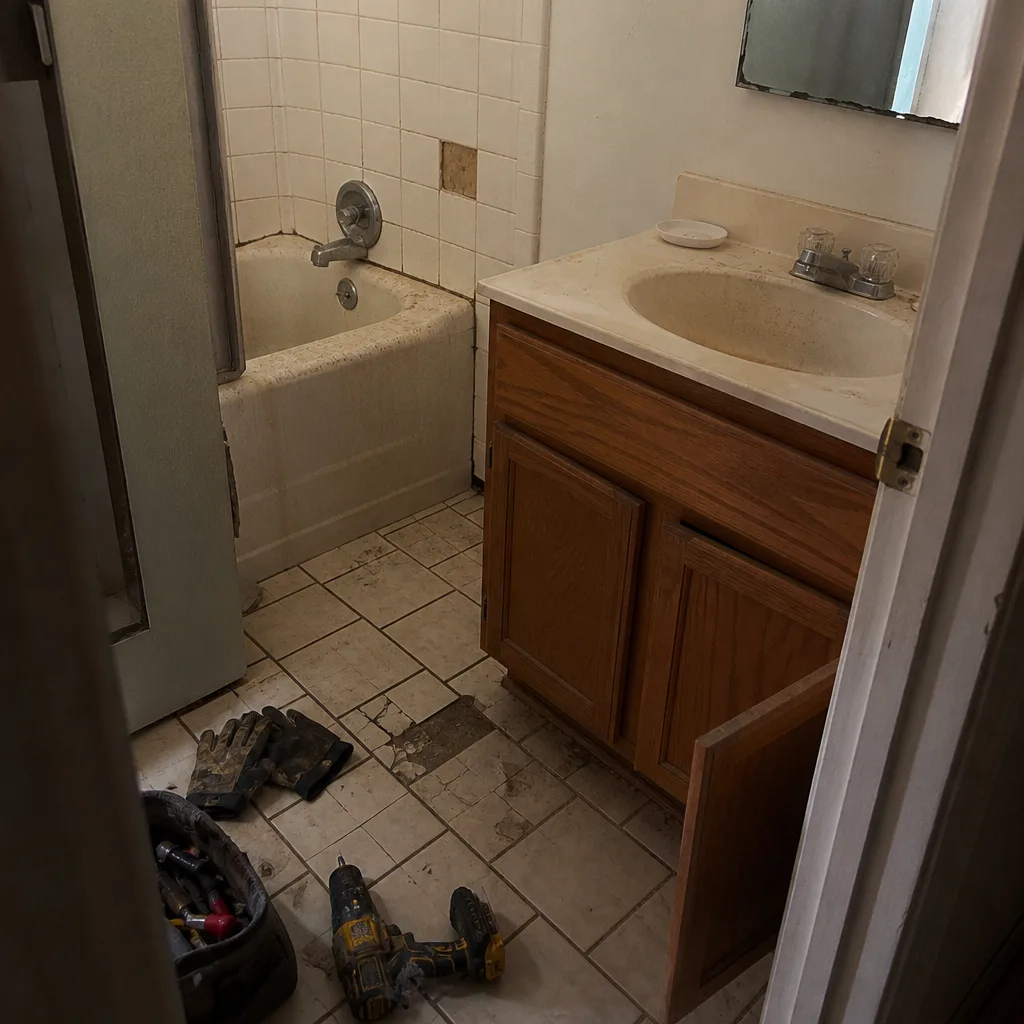 Before
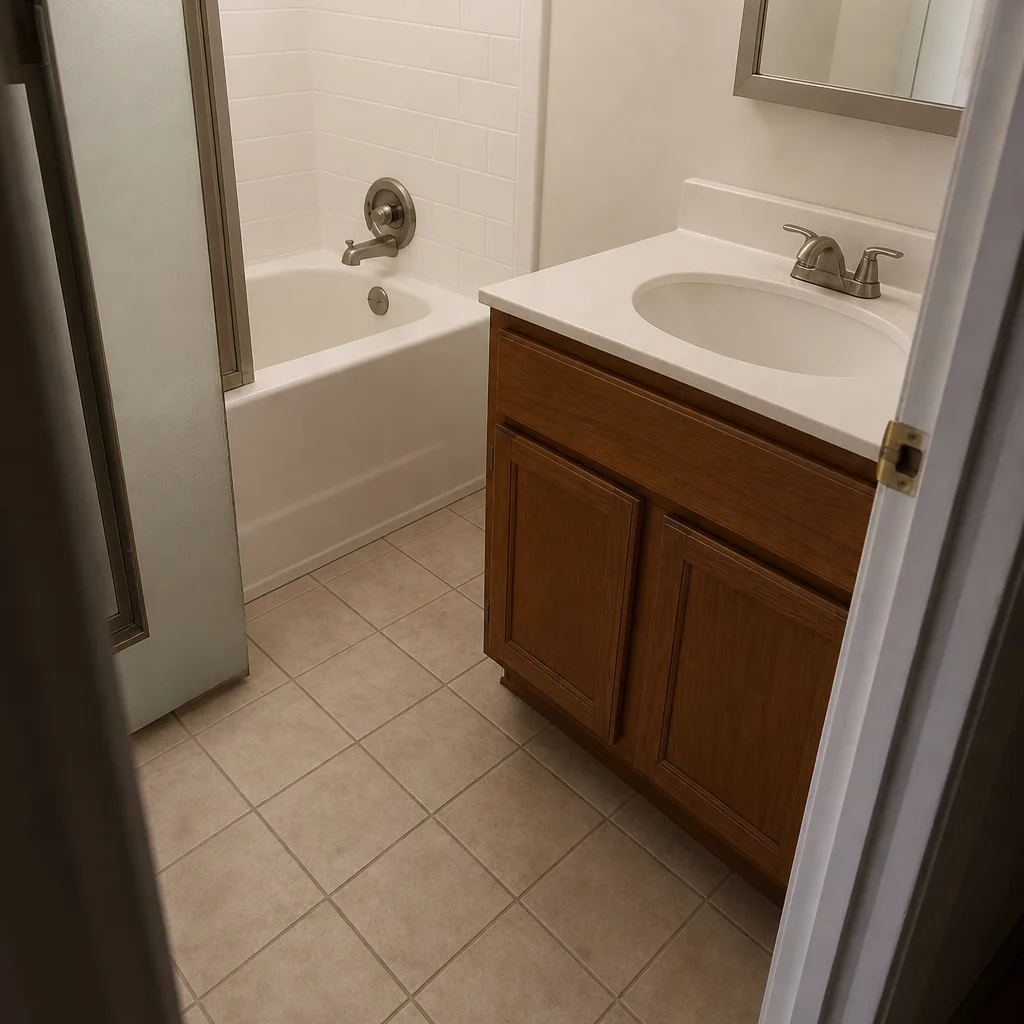 After
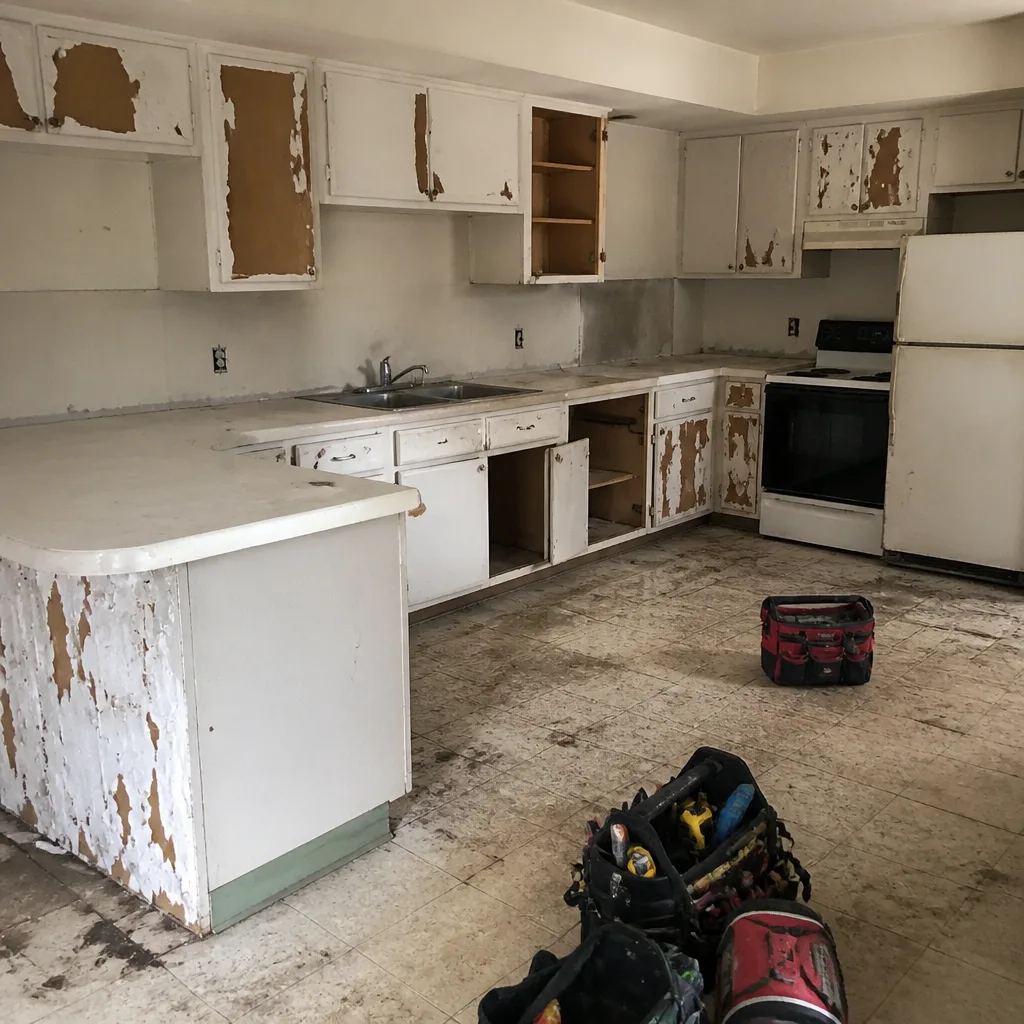 Before
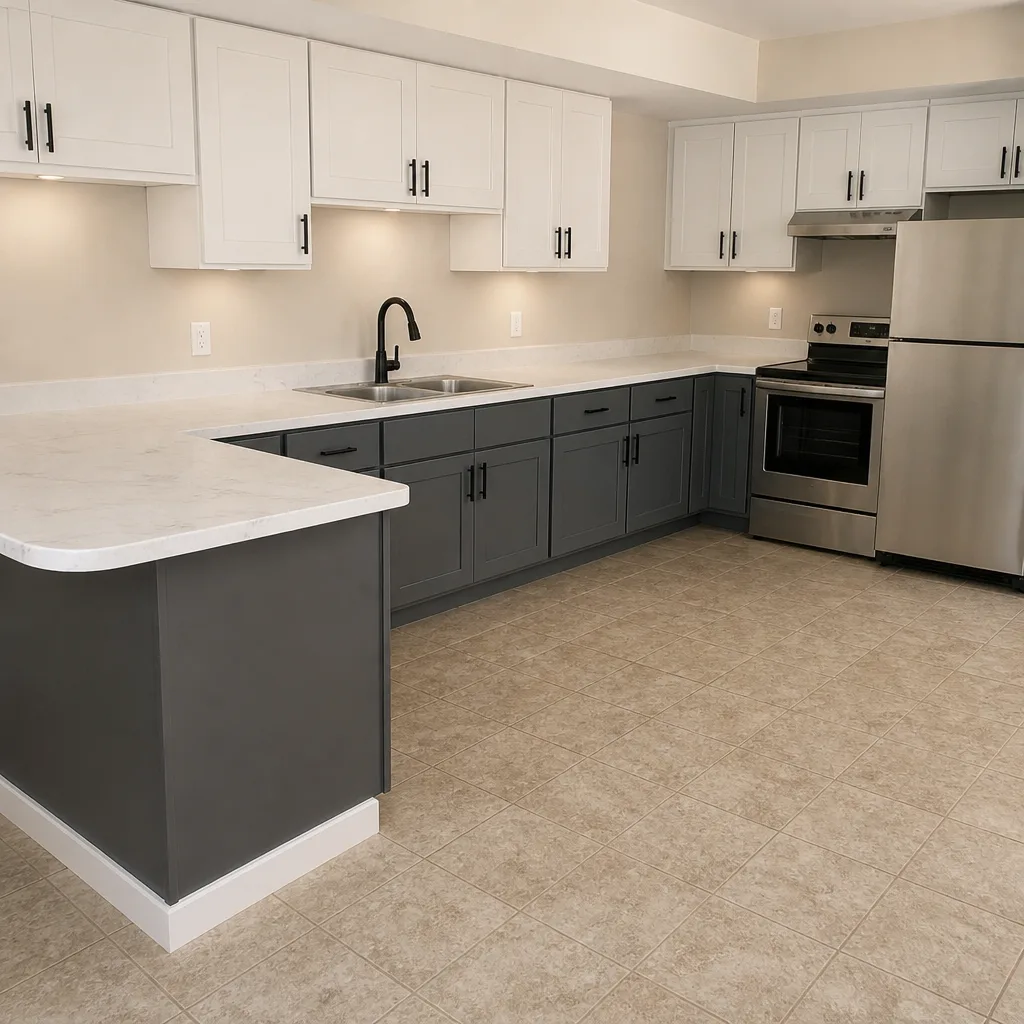 After
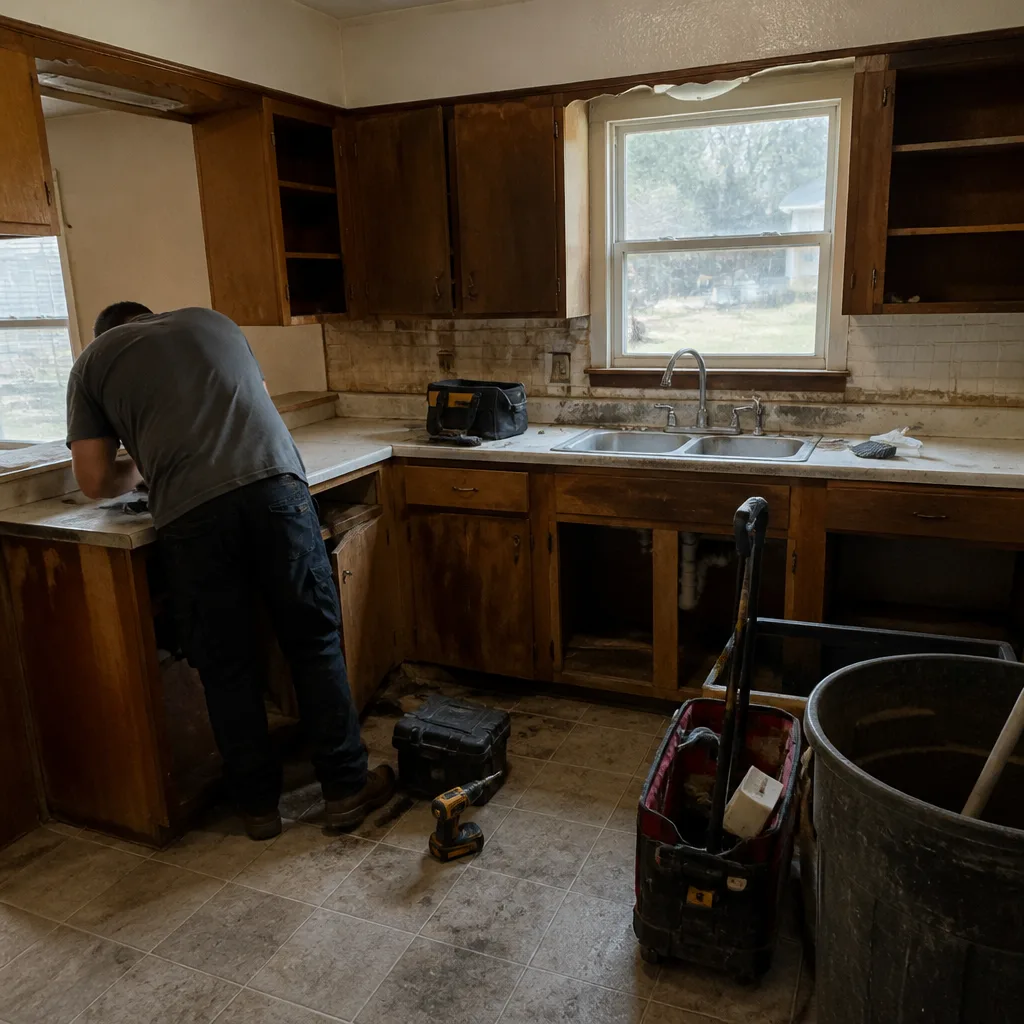 Before
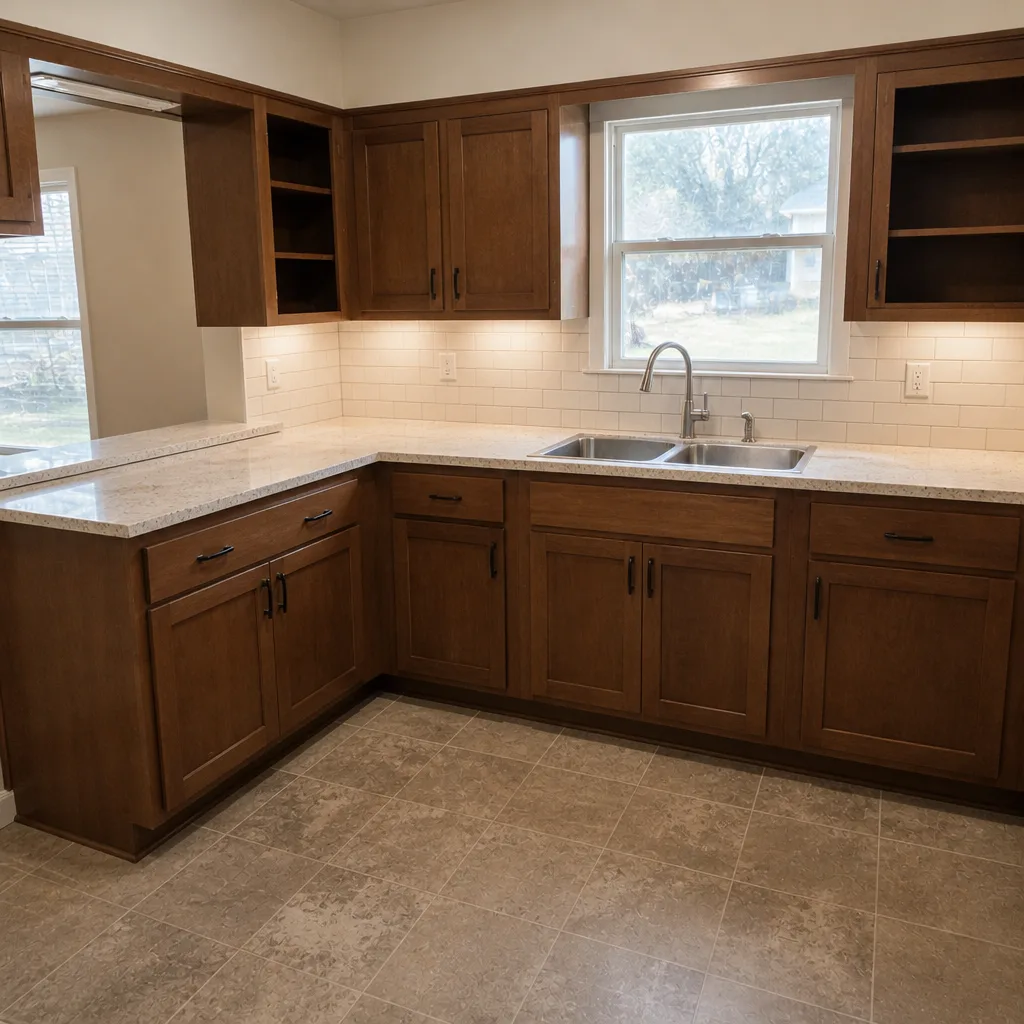 After
Replacement Cost & What’s Included
A full bathroom remodel in Denton using James Hardie backer and compatible components runs $9,000 to $28,000 installed. A small bathroom remodel, typically a half bath or a 5×8 with no layout change, lands at $5,000 to $12,000. The range moves on three things: whether the layout changes (moving the drain or supply lines is the single biggest adder), how much square footage of tile gets set, and whether the exterior wall behind the shower needs siding repair or replacement.
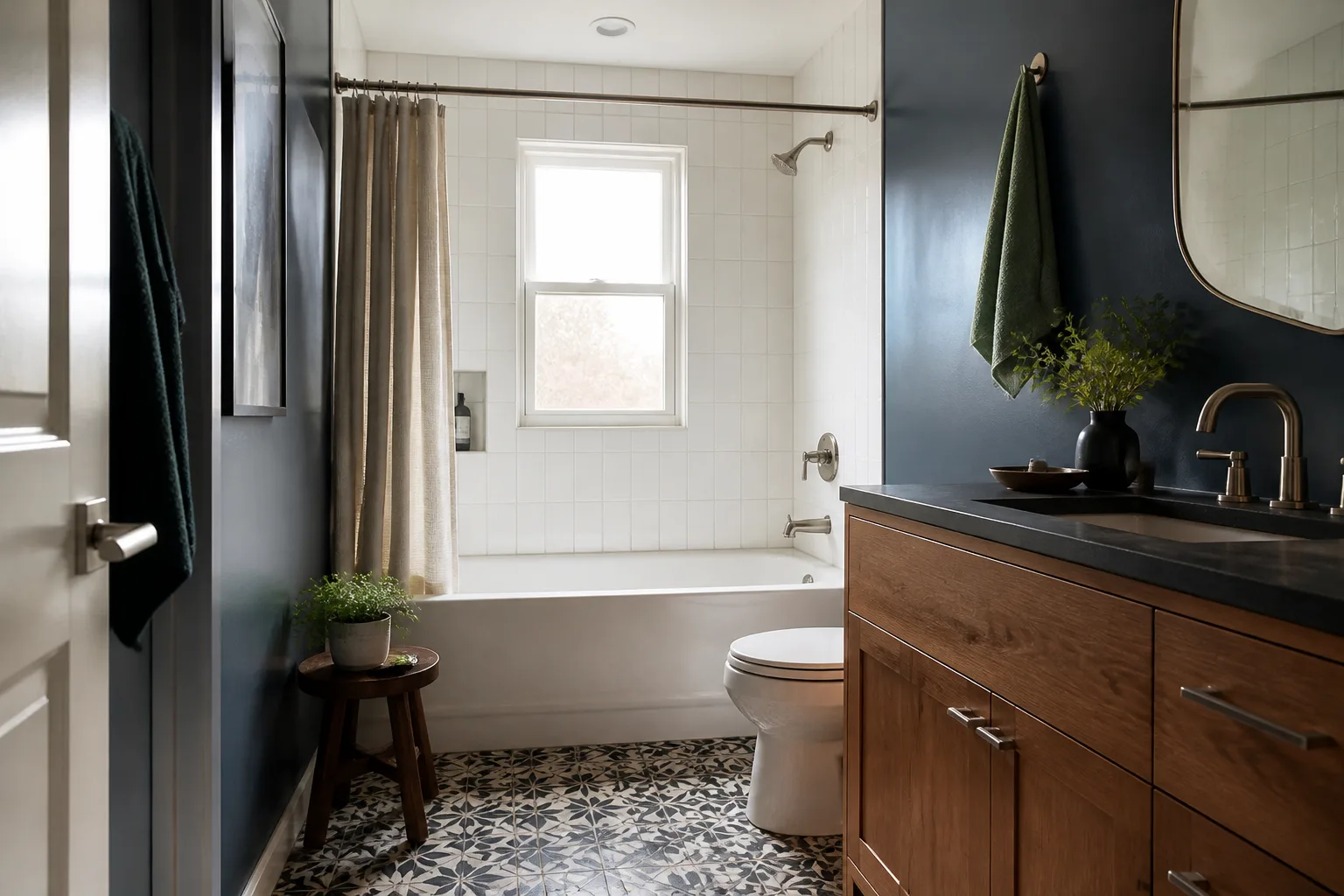
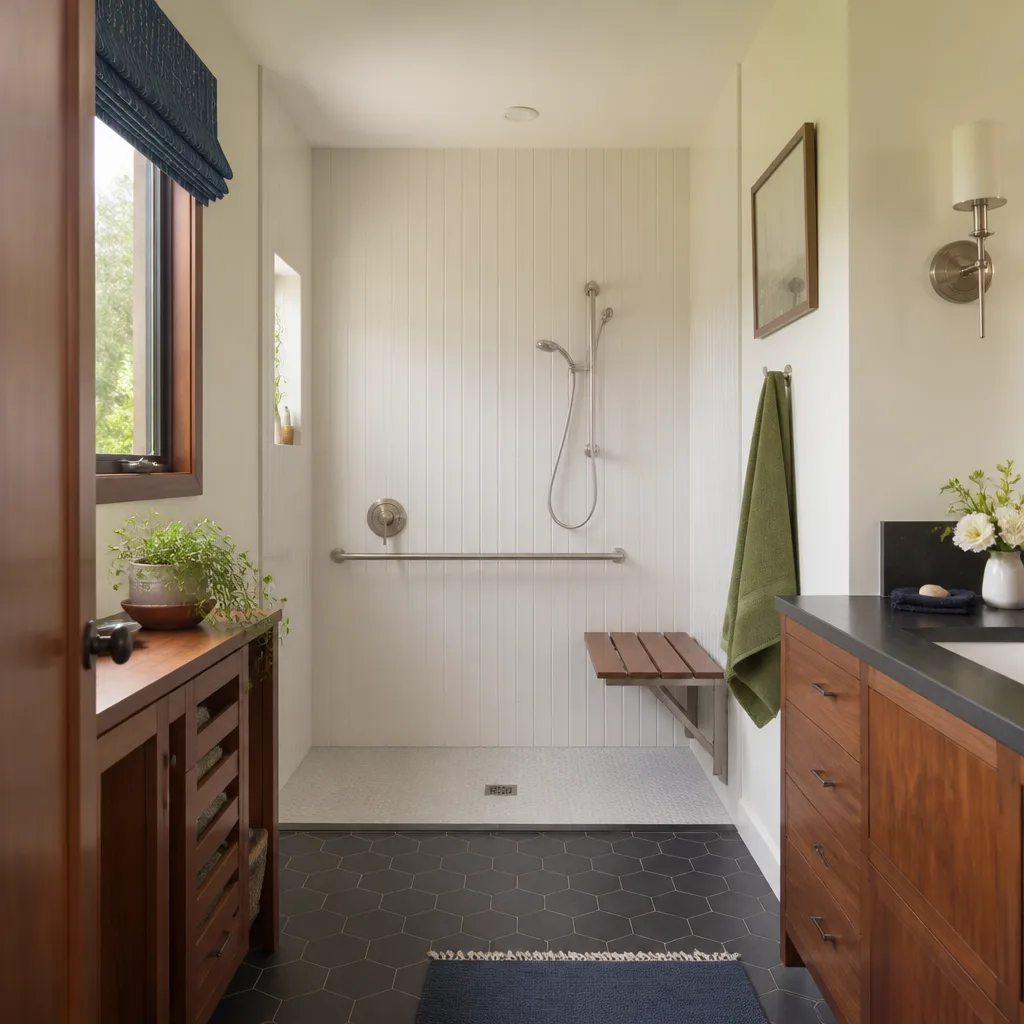
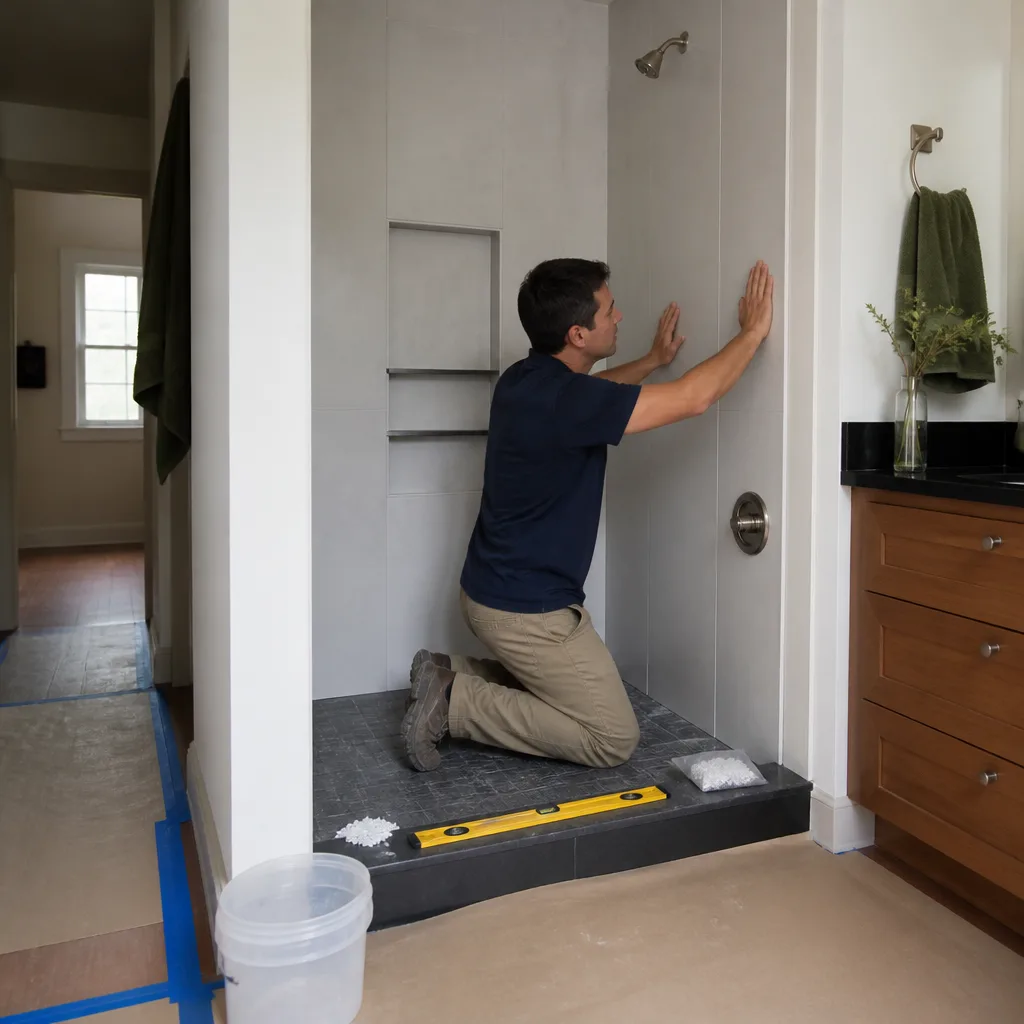
What’s included in that number: tear-out and haul-off, cement board substrate with the correct fasteners and mesh-tape at seams, waterproofing membrane, tile or a shower surround, fixtures, and finish. A walk-in shower installation runs $4,500 to $12,000 on its own; a tub-to-shower conversion runs $3,500 to $10,000. A bathroom vanity installation is $800 to $3,000.
We write the price before the first tool comes out. Every project carries the 365-Day Done Right Promise: if something we installed fails inside that year, we come back and correct it at no charge. Written guarantee, signed copy in your hand at close.
DIY or Call Us?
There’s honest DIY here and there’s honest “stop.” You can safely check the caulk line at the shower curb, pull a loose tile to look at what’s behind it, and photograph the printed label on a James Hardie board so we can match it. Those are inspection tasks, no risk.
The line moves at two places. First, waterproofing: a cement board wall with no membrane, or a membrane lapped the wrong direction, fails silently for a year and then costs you the whole shower. A homeowner setting backer board without the right seams, fastener depth, and waterproofing sequence usually learns about the mistake when the neighbor’s ceiling stains. Second, and more urgent: if your remodel touches gas, electrical panel work, or structural beams behind the tile, that’s not a weekend project and it’s not a place to save money. We’re state-licensed and insured for exactly that work.
A James Hardie backer board install itself is not a handyman job, but it is a job a disciplined crew will do right. If you’re in the middle of one and unsure, call (844) 651-3175 and we’ll tell you straight whether the substrate under your tile can be saved or whether the wall has to come out.
FAQs
How long does a James Hardie bathroom remodel last in Denton? The substrate is the longevity question. A properly installed cement board wall with waterproofing behind it lasts 20 to 30 years in a North Texas climate. A poorly installed one, or one where waterproofing was skipped, fails inside 5 to 8 years – Texas humidity and the swing between Denton’s dry springs and wet falls accelerates the failure.
Can it be repaired instead of fully replaced? Sometimes, yes. If the failure is isolated to a curb or one wall and the backer board behind it is still sound, a targeted repair runs less than a full remodel. Call (844) 651-3175 for a free estimate and we’ll tell you which one your wall needs before we quote.
How long does a swap take? A full bathroom remodel is typically 3 to 5 weeks on site, depending on tile scope and whether the layout changes. A targeted repair, like a shower curb rebuild or a single backer panel swap, is a shorter job. We’ll put the timeline in the written scope so there’s no guessing.
How do you source the James Hardie part? We work with a documented roster of name-brand materials, and that includes James Hardie. Specifications are traceable and manufacturer warranties back our own. We also install KraftMaid, Cambria, and Silestone on the same jobs. Bradford Remodeling Co Denton is an independent service provider – not affiliated with James Hardie – so we source through the manufacturer’s own distribution chain and can match the exact profile and thickness on your wall.
Call (844) 651-3175 for a free estimate. A live person answers, 24 hours a day, and we’ll put the price in writing before anything starts.
Written by the team at Bradford Remodeling Co Denton, serving Denton and nearby areas.