

Free written scope consultation - allowances, timeline, and change-order rules on paper before a single trade is scheduled
James Hardie Roofing: The Denton Owner’s Guide
James Hardie-compatible roofing installed in Denton typically runs $8,000 to $20,000 for a full replacement and $400 to $1,800 for a targeted repair, depending on roof size, pitch and how much decking has to be rebuilt. Smaller fix jobs, like a section of RidgeGuard ridge cap or a run of HardieTrim fascia, usually fall in that lower repair band and get scheduled on our normal calendar, not as an emergency. We give you a written price before any work starts.
Most owners don’t find out there’s a problem until the ceiling tells them. This January, a homeowner off University Drive called because a brown ring had spread across a spare bedroom ceiling. We found it fast: a failed pipe boot and a soft run of decking, not a missing shingle. Denton roofs take a specific beating – hail in spring, a UV index that cooks sealant and underlayment, and wind off the open prairie that pries at every seam. When the roof is James Hardie’s fiber-cement profile, the failure usually shows up in the trim, ridge cap, or fasteners before it shows up in the field of the roof.
Key Takeaways
- James Hardie roofing here means the fiber-cement trim and ridge components, not asphalt shingles – a common mix-up.
- Installed pricing in Denton: $8,000 to $20,000 for replacement, $400 to $1,800 for repair.
- Fiber-cement holds up well to Denton sun and hail, but fasteners and sealant are the weak link, not the board.
- We’re an independent contractor, not affiliated with James Hardie – we install to manufacturer specs, and we put every step of that in writing.
Which James Hardie Models This Applies To
James Hardie doesn’t sell a shingle. What homeowners actually have on or at their roofline are Hardie’s fiber-cement exterior products working alongside the roof system – most often HardieTrim fascia and soffit boards, HardieSoffit panels for eave venting, and Hardie fascia-compatible trim at the rake and gable, plus the RidgeGuard-style cap that some fiber-cement roof systems pair with. If your last roofing quote or warranty paperwork says “James Hardie,” confirm which product line: the fascia, soffit and trim lines are most common on Denton homes, and that’s where the majority of repairs we’re called out for land.
Identify the right part by pulling a board if you can and reading the back stamp – James Hardie stamps thickness and product code on the reverse, usually “HardiTrim” or “HardiSoffit” with the profile. Measure the exposed fascia face (many Denton homes run 6-inch or 8-inch nominal) and note the soffit panel dimension before you order anything. The OEM versus aftermarket call matters here: Hardie’s factory board carries a documented warranty and matches the profile, while a generic fiber-cement substitute can be a different density and run a slightly different thickness. We match thickness and profile to spec, and we show you the substitution, if there is one, in writing before it goes on.
Styles & brands we work with
- Kitchen remodeling
- Bathroom remodeling
- Home additions & ADU
- Roofing
- Windows & doors
- Driveway & pavers
- Fence
Signs Your James Hardie Roofing Is Failing
Here’s what we find, and what’s really underneath it.
- Peeling paint or chalky white powder on the fascia and trim. The board is fine; the finish coat has cooked off under Denton’s summer UV. That’s a repaint-and-prep job, not a board replacement, and knowing the difference saves real money.
- Soft or spongy spots you can press with a thumb. Moisture has gotten behind the board, usually from a failed sealant joint or a backed-out fastener. Once fiber cement stays wet, it stops being a roof problem and starts being a decking problem.
- Rust trails or dark streaks below the eave. Fasteners are failing – often galvanized nails that weren’t rated for our clays and occasional ice. One failed fastener starts a whole run.
- Gaps at seams or where the trim meets the soffit. Seasonal expansion and the wind prying at unsupported edges. Left alone, water gets behind the fascia in the next heavy system.
- Water stains on the ceiling or attic rafters below the roofline. This is the one that should stop the clock. It almost always means the failure has already traveled inward – often a boot, a flashing detail or the decking, not the fiber-cement itself.
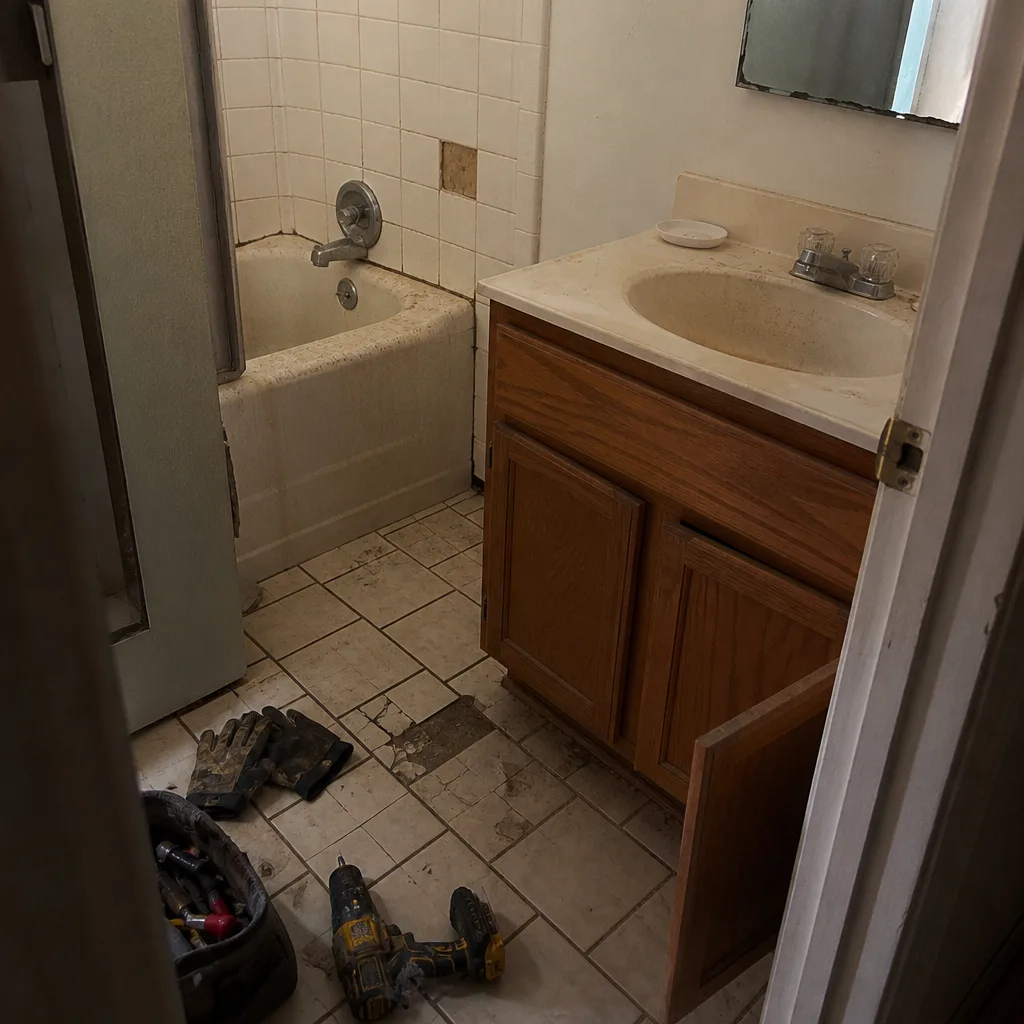
See the difference
 Before
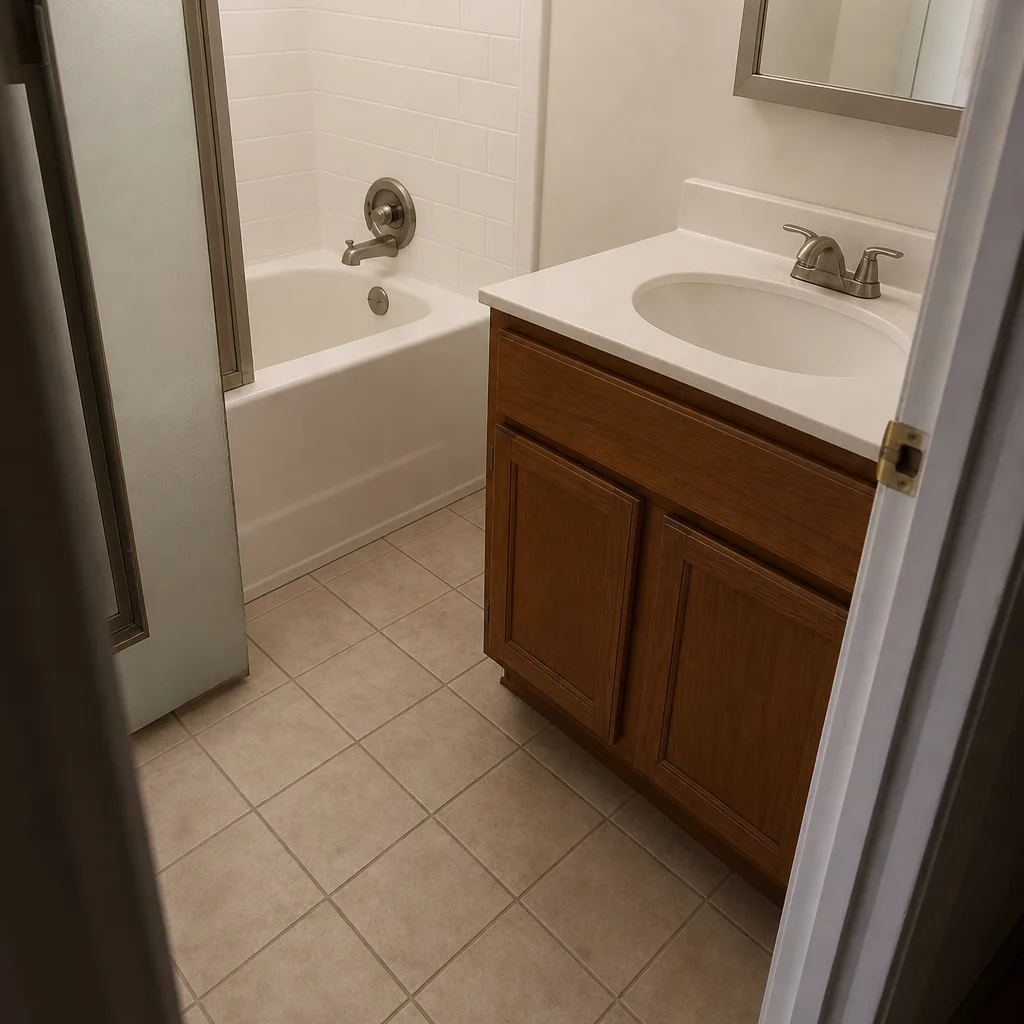 After
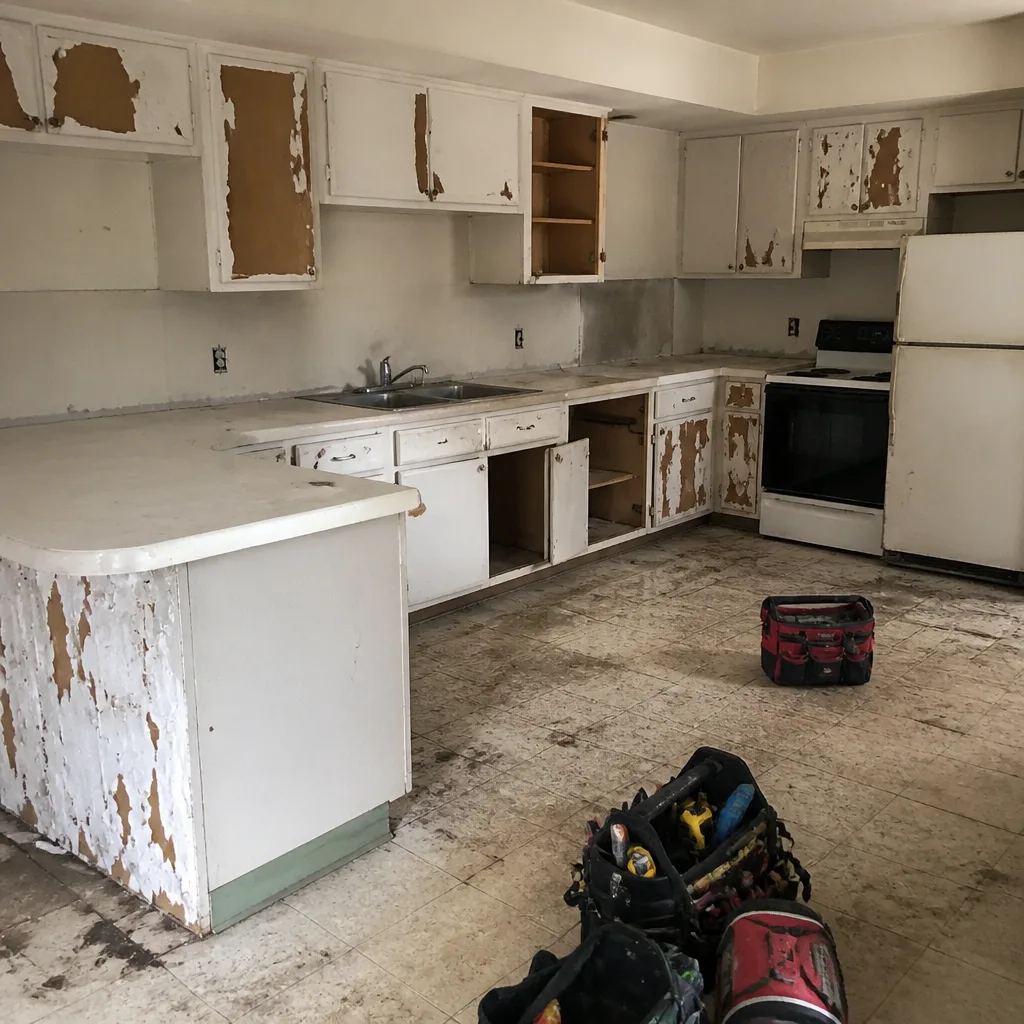 Before
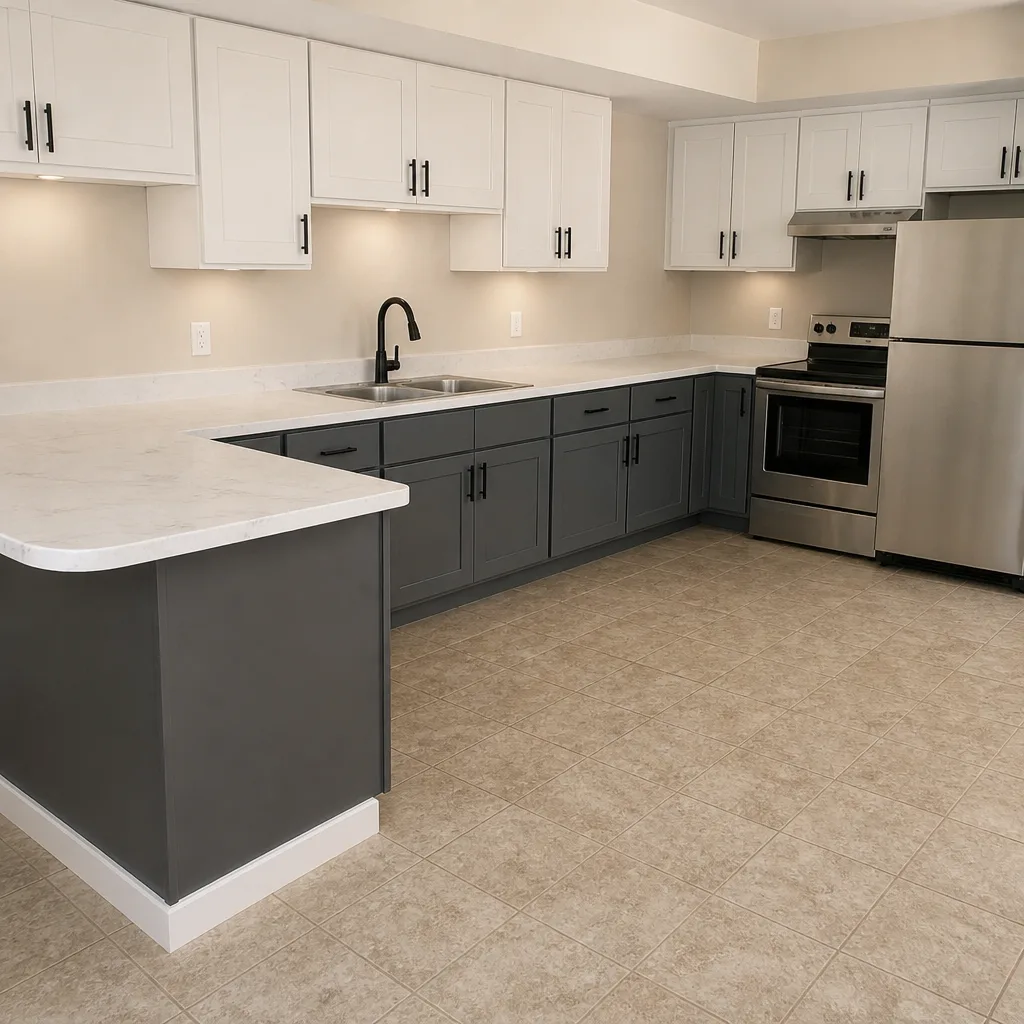 After
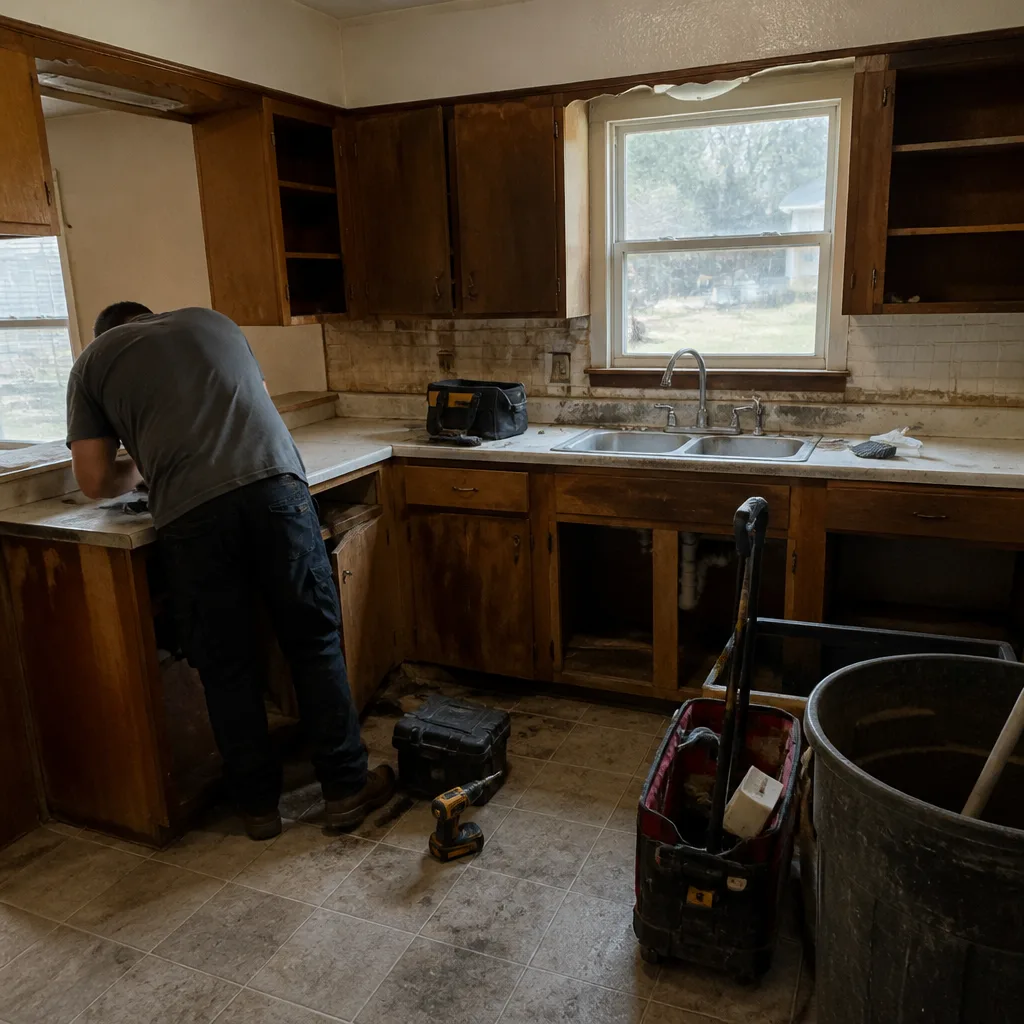 Before
 After
Replacement Cost & What’s Included
Installed pricing on James Hardie-compatible roofing work in Denton:
| Work | Installed range |
|---|---|
| Roof repair (flashing, boot, section of trim/cap) | $400 – $1,800 |
| Full roof replacement | $8,000 – $20,000 |
What moves the number: the size and pitch of the roof, how much decking has to be replaced once we get in there, whether the fiber-cement trim and soffit run the full perimeter or just one elevation, and height or easy access. That’s it – we don’t build the quote on surprises. We hand you a written line-item price before any work starts: parts, labor, materials, and the disposal of what comes off, each broken out. Nothing creeps up at the door. Every completed job carries the 365-Day Done Right Promise – if the repair fails within the year, we come back and correct it at no charge. When we’ve matched the part, replaced it and tested the perimeter, we walk you through what was done, and you sign off on the written guarantee.
DIY or Call Us?
There are a few things you can check yourself safely: press the fascia and trim with a thumb for soft spots, look for rust trails under the eave, and look at the boards from the ground for gaps or chalky paint. That’s about where it ends. A fiber-cement roof repair is a ladder-and-roof job – working at height, prying off trim without tearing the underlayment, pulling fasteners that can shear and throw. Homeowners get hurt on ladder work, and a botched detail just moves the leak somewhere worse. This is the kind of job where a trained, background-checked crew makes the difference, and we tell you honestly what we found before we ever touch a quote. If it’s a water stain on the ceiling, don’t wait on it – call (844) 651-3175 and we’ll walk through it with you.
FAQs
The fiber-cement trim and soffit boards will hold 30 years or more on a well-installed roof, but the fastener and sealant system is the real clock, and in Denton’s heat and hail that’s more like 15 to 20 years before it needs attention. Expect the board to outlast the joints that hold it.
Often, yes – a bad boot, a flashed detail or a run of failed fascia can usually be repaired for $400 to $1,800 rather than replaced. We’ll tell you straight which one it is, and we won’t sell a replacement for a repair problem. Call (844) 651-3175 for a free estimate.
A targeted repair is typically a day; a full roof replacement is usually one to three days depending on size and weather. We give you a timeline in the written estimate and stick to it.
We source to the manufacturer’s spec through our documented brand roster, match thickness and profile on the board, and show any substitution in writing before it’s installed. We’re an independent contractor, not affiliated with James Hardie, and the work is backed by the 365-Day Done Right Promise.
We also stand behind the rest of the exterior and interior: KraftMaid and Wellborn cabinetry, Cambria and Silestone surfaces, and Kohler fixtures, among others – all from a documented brand roster.
Call Bradford Remodeling Co Denton at (844) 651-3175 for a free estimate. A live person answers, day or night. We’ll walk you through the roof, give you a written price, and put the guarantee in your hand before we ever climb the ladder.
Written by the team at Bradford Remodeling Co Denton, serving Denton and nearby areas.