Last updated November 17, 2026








Free written scope consultation - allowances, timeline, and change-order rules on paper before a single trade is scheduled
Construction Warning Signs: A Denton Homeowner’s Reference Guide
The most expensive contractor mistake most Denton homeowners make isn’t hiring a dishonest contractor. It’s hiring a disorganized one and not recognizing the warning signs until $30,000 is already spent. Dishonesty is rare. Disorganization is common, and it fails on a schedule you can predict if you know what to watch for. This guide covers the contract terms, on-site behaviors, pricing patterns, permit records, and guarantee language that separate a job that runs squared away from one that stalls out in month three. By the end, you’ll know how to stop a problem job before the slab is poured.
Quick Answer
The clearest construction warning signs are missing Texas contract disclosures, a deposit over 10% before mobilization, no lien waiver language, a bid 20-30% below the others, and expired or failed permits on the city’s portal. Any one of these is a signal to slow down. Two or more together usually means the job is set up to fail regardless of the contractor’s intent.
Styles & brands we work with
- Kitchen remodeling
- Bathroom remodeling
- Home additions & ADU
- Roofing
- Windows & doors
- Driveway & pavers
- Fence
Table of Contents
- Contract Red Flags Under Texas Law
- On-Site Behavioral Signs in the First Week
- How to Read a Bid That’s 20-30% Below the Others
- Reading a Contractor’s Permit History in Denton
- A Real Written Guarantee vs. a Verbal Promise
- Payment Terms That Protect You
- What a Clean Job Close Looks Like
Contract Red Flags Under Texas Law
A remodeling contract is a legal document first and a sales document second. Texas gives homeowners real leverage here, and a legitimate contractor will build that leverage into the paperwork. Here’s what to look for before you sign anything.
- No Texas Residential Construction Recovery Fund (TRCC) notice. If your contractor is registered with the state, the contract should reference the recovery fund. Its absence, or a vague “we’ll handle it” answer, is a real problem.
- No lien waiver language. This protects you from paying twice: once to the contractor, again to a supplier or subcontractor who never got paid. If the contract doesn’t address lien waivers with each draw, you’re exposed.
- Front-loaded payment. A deposit over 10% before any mobilization is a red flag. That means you’re funding the contractor’s cash flow, not their materials order.
- No start date and no completion date in writing. “We’ll get to it in a few weeks” is not a schedule.
- Scope described in adjectives. A line that reads “premium quality installation” is filler. A line that reads “install 42-inch KraftMaid base cabinets, model listed on page 4” is a scope.
These items matter most in Denton because the local market runs on a mix of small independent crews and larger regional firms. The paperwork is where you learn which one you’re dealing with before the first nail is driven.
On-Site Behavioral Signs in the First Week
The first week of a job tells you almost everything. Not the sales pitch. The behavior after the contract is signed. Watch these patterns closely.
- No site protection on day one. A serious crew puts down floor protection, masks off adjacent rooms, and stages materials in one place before the demo starts. Scattered debris and no protection means the crew is improvising.
- No daily cleanup. If trash and packaging pile up by day three and stay there, the project has no supervisor on site with authority.
- Different faces every day. The crew you meet shouldn’t be replaced by strangers who don’t know the plan. Background-checked, uniformed technicians walk in the door knowing the scope. If that’s missing, ask who’s actually running the job.
- No verbal or written daily status. You should get a short update: what got done, what’s next, what’s blocked. Silence for a week means the crew is behind and not telling you.
- Subs are showing up without the primary contractor. Fine on some trades. Not fine if you never meet the person accountable for the whole build.
- Materials show up that don’t match the spec. Wrong tile, a cabinet line you didn’t approve, an exterior product you didn’t choose like a CertainTeed shingle when the contract listed a different line. That’s not a substitution; it’s a documentation problem.
None of these behaviors alone guarantees a bad job. Three or more in the first week almost always do. That’s the window to have a direct conversation while you still have leverage.
How to Read a Bid That’s 20-30% Below the Others
A bid that lands 20-30% under every other number on your kitchen table is either the best deal of your year or the start of a very expensive six months. The gap usually comes from one of three places.
- Reason one: They’re genuinely leaner. Smaller overhead, tight crew, no showroom build-out to pay for. This can be a good number, but only if the scope matches the other bids line for line.
- Reason two: The scope is smaller than it looks. Cheaper bids often cut items that get added back as change orders: soffit repair, substrate replacement, permit fees, haul-off, paint. The number wasn’t low; it was short.
- Reason three: The number is dangerous. The contractor is pricing to win and planning to figure out the rest later. This one ends with crews pulled off your job to cover cash flow on a different one, or with an unfinished half that never closes. It’s the reason we tell Denton homeowners to compare line items, not totals.
Ask every contractor to quote the same scope sheet, in the same order, with the same allowances. If the low number survives that comparison, it’s real. If it falls apart, you just saved yourself a very expensive lesson.
Reading a Contractor’s Permit History in Denton
Denton publishes permit records through its online development portal. You can search by contractor name, address, or permit type. Most homeowners don’t, which is exactly why it’s worth doing.
Here’s how to read it:
- Look for pulled permits. A kitchen gut, a structural change, an electrical rough-in, or a new roof should carry a permit. If a contractor’s history shows only minor work for a firm that claims whole-home projects, ask why.
- Check the inspection results. A failed inspection isn’t disqualifying on its own. Two failed inspections on the same stage, or a pattern across jobs, is a warning sign about how that firm manages code compliance.
- Look at expired permits. An permit that shows as expired and never finaled usually means a job stalled. Repeated expirations on real jobs are a schedule and follow-through problem.
- Match the type to the work. If a contractor is quoting a whole-home remodel but their history shows only small bathroom projects, they’re selling scope they haven’t managed.
None of this makes you a building inspector. It makes you informed enough to ask one focused question during the interview: “Can you walk me through three recent permits and their inspection results?” A serious contractor answers without flinching.
A Real Written Guarantee vs. a Verbal Promise
“We stand behind our work” is not a guarantee. A guarantee is a document. A real one names the work covered, the length of coverage, what “failure” means, and what the contractor does when a covered item fails. Anything short of that is a promise made over a handshake and settled later by a conversation neither party wants.
What to look for in a written guarantee:
- A stated term in days or months. Our 365-Day Done Right Promise gives every completed project a full year of coverage, in writing, before the crew leaves the driveway.
- A clear remedy. If the work fails inside the window, we come back and correct it at no charge. That’s the standard. If a guarantee doesn’t state a specific remedy, it isn’t one.
- Manufacturer warranty documents for the products used. When the spec calls for CertainTeed or Owens Corning roofing, the manufacturer’s written warranty should be in your folder with the paperwork, not promised verbally.
- Signature and date from the business, not a business card.
Ask for the guarantee as part of the bid package, not as an afterthought at closeout. If it can’t be produced before you sign, it won’t produce anything useful after.
Payment Terms That Protect You
The payment schedule protects you or it protects the contractor. Never both. The right structure ties your money to work already done on your property.
- Deposit: keep it at or under 10%. That’s typically for materials order and mobilization. Anything higher funds the contractor’s next job instead of yours.
- Draws tied to milestones. Demo complete. Rough-in inspected. Cabinets set. Substantial completion. Each draw follows a written milestone, verified.
- Final payment after punch list. The last draw is held back until your punch list is signed off and the site is clean.
- Lien waivers with each draw. The contractor provides a conditional waiver from themselves and each subcontractor at each payment. That’s your protection against a supplier filing against your house.
- No cash-only terms. A contractor who insists on cash, no receipt, isn’t’ providing a paper trail you want.
If a Denton contractor can’t put payment terms in writing that match this structure, ask what they’d need to get there. If the answer is “trust us,” trust the paperwork instead.
What a Clean Job Close Looks Like
The last day on a job is the most important day for the homeowner. Squared away looks like this:
- The site is clean: floor protection removed, packaging hauled off, adjacent rooms vacuumed and returned to how they were found.
- The scope binder has all signed documents in one place: contract, change orders, manufacturer warranties, permit final sign-off, and the written guarantee.
- The punch list is signed off by you, with a date.
- A live person who can answer a future question is reachable by phone. Not a call center. A person who knows your address.
- You know exactly what to do if something fails inside the guarantee window: you call, and the crew comes back at no charge.
That’s the picture we show our customers at the start of a job, not the end. It’s the reason we put every number and every guarantee in writing before a single tool comes out. If you’re planning a project and want a written price from a contractor who will hand you the guarantee on day one, Bradford Remodeling Co Denton shows you what that looks like.
Common Mistakes to Avoid
- Comparing totals instead of line items. Two bids that differ by $8,000 usually differ because one is missing three scope lines. Compare scope sheets side by side, not bottom lines.
- Paying more than 10% before mobilization. That’s money funding someone else’s cash flow, not your project. Texas has plenty of contractors; you don’t need to fund the uninsured one.
- Skipping the Denton permit portal. Five minutes on the city website tells you whether a contractor finalizes jobs or leaves permits hanging for two years.
- Accepting “we guarantee everything” without a document. A real guarantee is a signed page you keep in a folder, not a sentence you receive at the door.
- Ignoring crew behavior in the first week. The first week is the predictor. Daily cleanup, a named supervisor, and clear status updates are the baseline for a job that finishes on schedule.
- Letting materials get replaced without a change order. If a window arrives as a Therma-Tru entry when the contract said something else, or roofing shows up in a CertainTeed line when the spec said another brand, that’s’ a documentation gap you need to close in writing.
- Treating a 20-30% low bid as a win. In a competitive Denton market, an outlier is usually a signal. Ask why the number is different before you sign.
For a deeper walkthrough of the kitchen-specific issues that hide in scope gaps, see our guide to Kitchen Remodeling in Denton.
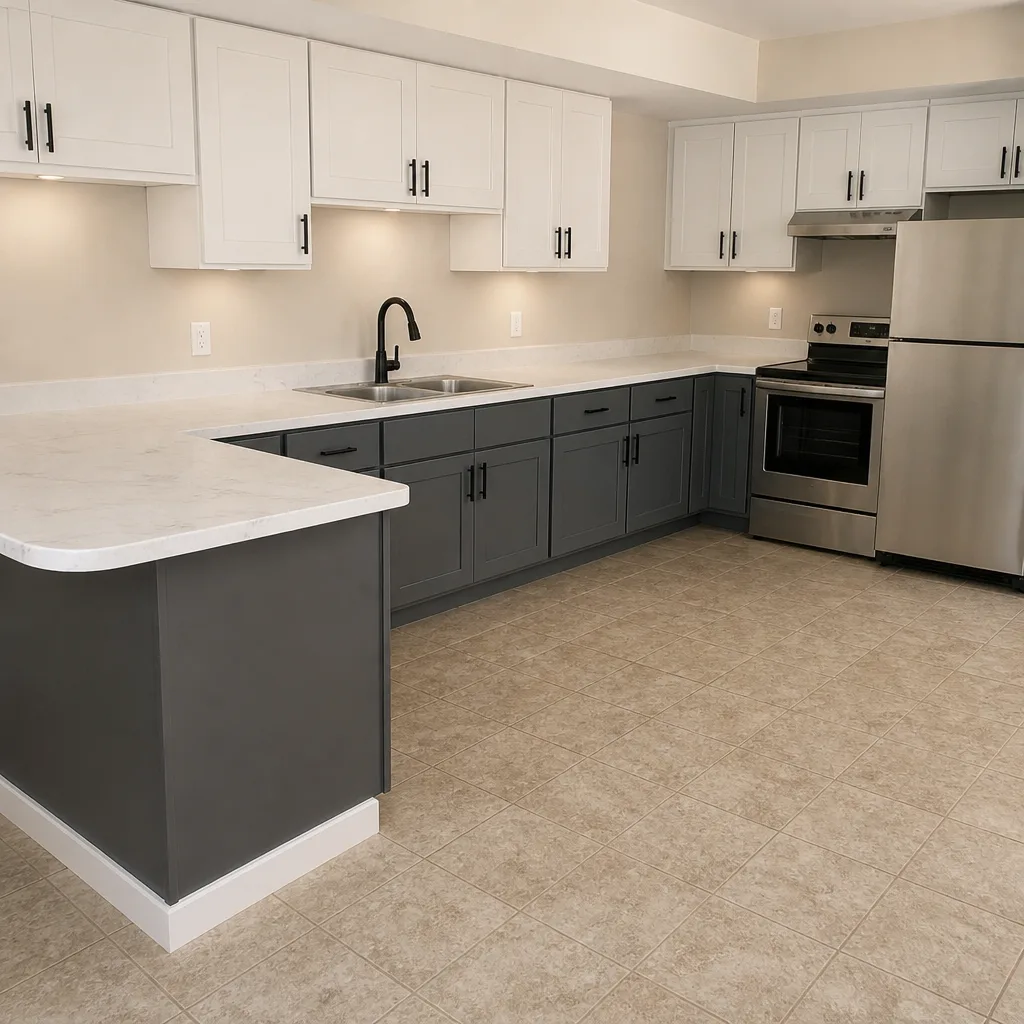
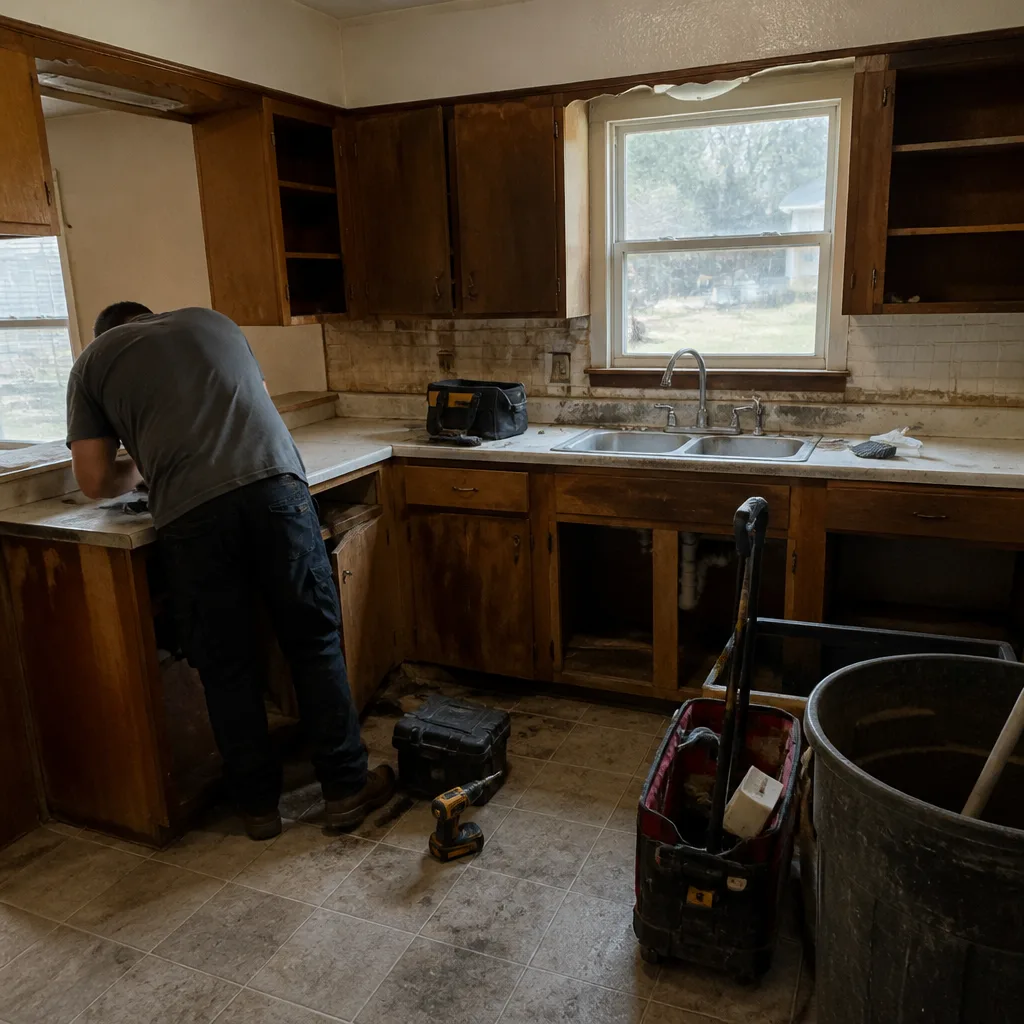
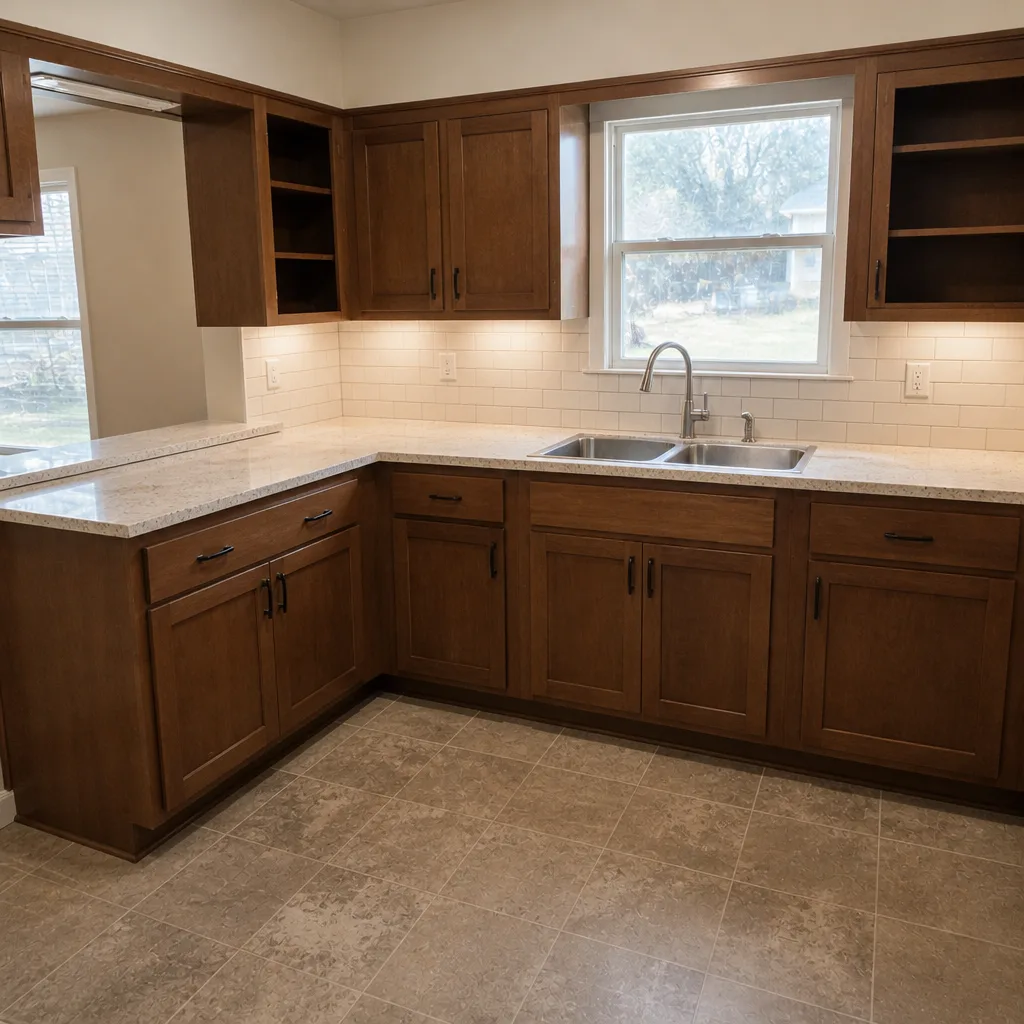
See the difference
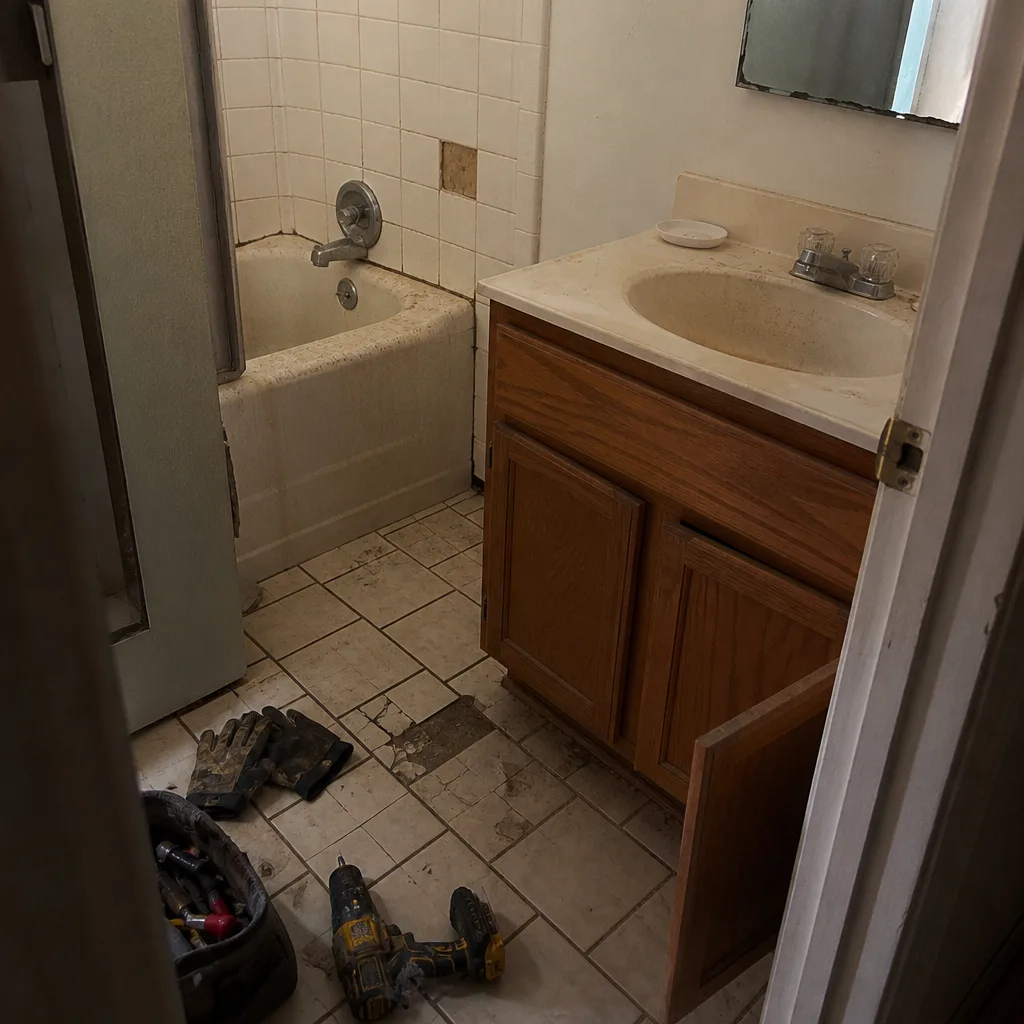 Before
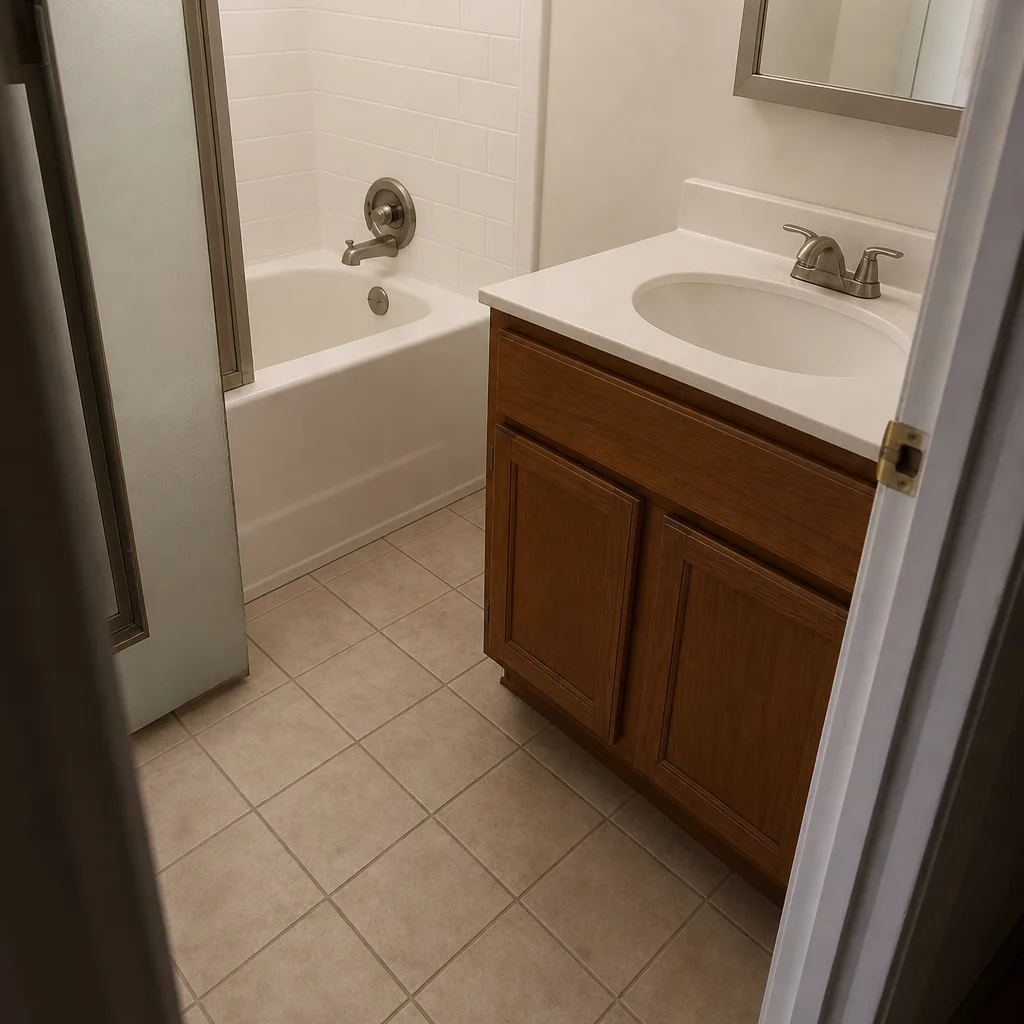 After
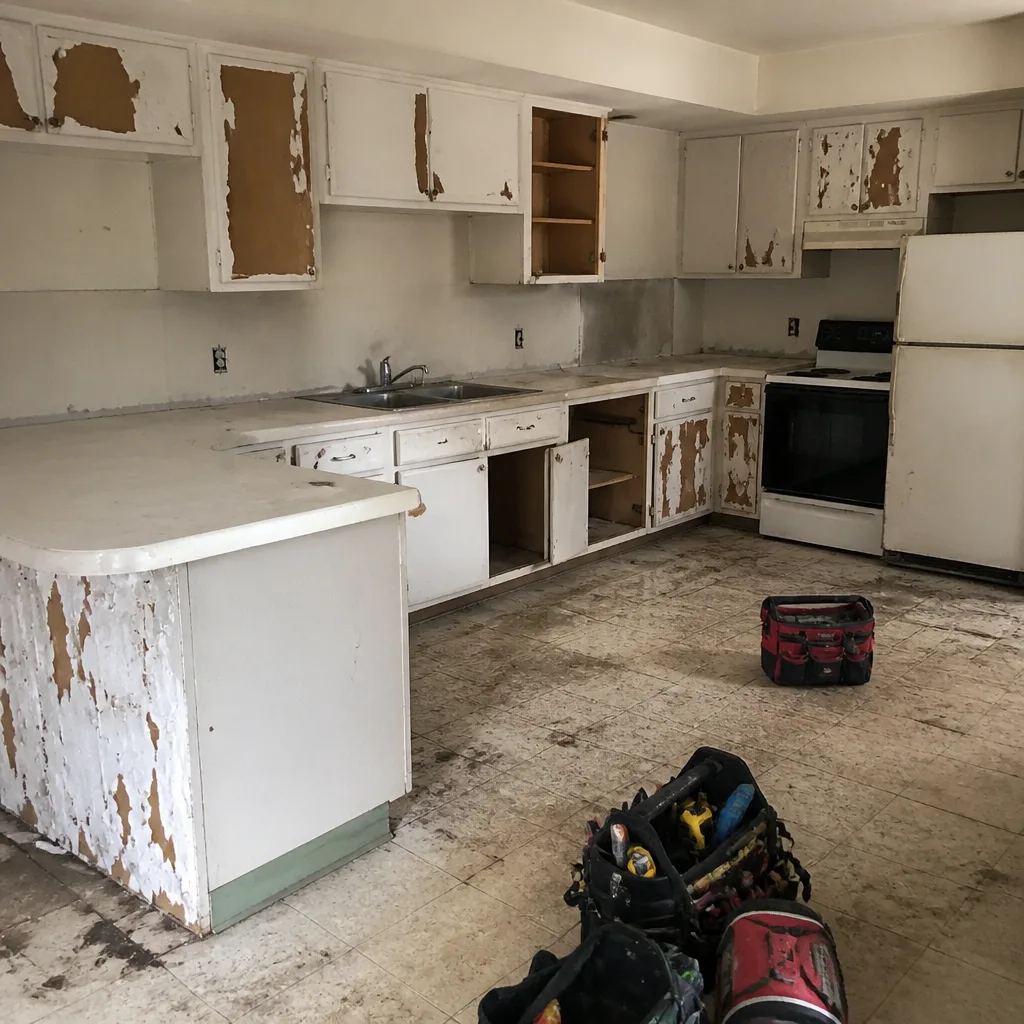 Before
 After
 Before
 After
When to Call a Professional
Some warning signs are easy to handle with a direct conversation. Others are time to involve a licensed general contractor. Call us when you’re staring at a contract with missing TRCC disclosures, a deposit above 10%, or no lien waiver language. Call when a bid is 20-30% below the others and you can’t identify the savings line. Call when a permit search shows expired or failed inspections on the contractor’s record. Call when the first week of work has no site protection, no named supervisor, and no status updates. And call before a problem becomes a rebuild. Bradford Remodeling Co Denton offers free estimates in Denton – call (844) 651-3175 to walk through your project with a written price before any work starts.
Frequently Asked Questions

The biggest signs are missing Texas contract disclosures, a deposit over 10% before mobilization, no lien waiver language, a bid 20-30% below the others, and expired or failed permits on the city portal. Any two together are a signal to slow down. Call (844) 651-3175 for a free estimate comparison if you want a second set of eyes on a bid.
Use the City of Denton’s online development portal and search by contractor name or project address. Look for pulled permits, inspection results, and any history of expired permits that never finaled. A firm that regularly pulls and finals permits is easier to trust. If you’d like a written price from a firm that will walk you through its permit history, call (844) 651-3175.
A Texas remodeling contract should include a written scope with named materials, a schedule with a start and completion date, TRCC disclosure where applicable, lien waiver language, and payment terms tied to milestones with a deposit of 10% or less. If a contract is missing three or more of these, don’t sign it yet. Call (844) 651-3175 for a free estimate that comes with the paperwork built in.
It’s usually because the scope is leaner, the overhead is genuinely lower, or the number is priced to win and figured out later. The third reason is the dangerous one. Ask for the same scope sheet from every bidder and compare line items rather than totals. Call (844) 651-3175 for a written scope and fixed price you can hold the other bids against.
No. A verbal guarantee gives you nothing enforceable. A real written guarantee states the term, what’s covered, and the exact remedy – like our 365-Day Done Right Promise, which gives every completed project a full year of written coverage and a free return visit if the work fails in that window. Call (844) 651-3175 for a free estimate and ask for the written guarantee up front.
Watch for floor protection on day one, daily cleanup, a named supervisor on site, and a short daily status update. If you see none of these by day three, the project has a supervision gap that usually shows up as a schedule slip later. Call (844) 651-3175 for a free estimate from a crew that runs on the first-week checklist every time.
If your project spans more than one room, the same warning signs apply on a larger scale. Our General Contractor in Denton page covers how a whole-home scope should be documented, and our Bathroom Remodeling in Denton guide covers the waterproofing and rough-in details that hide behind the tile.
The Bottom Line
Construction warning signs are structural. They show up in the paperwork, the payment schedule, the bid comparison, the permit history, and the first week on site. None of them require a construction background to recognize, and all of them are cheaper to catch before the slab is poured than after. Denton homeowners who read the contract carefully, compare line items instead of totals, and demand a written guarantee before signing avoid the $30,000 surprise. The job that finishes on time and ends with a signed guarantee in your hand is the job that was set up right from the first page.
Bradford Remodeling Co Denton is a member of the Garrison Partners family, held to The Garrison Standard. We give you a written price before any work starts, background-checked uniformed technicians on every job, live-person phone coverage, and the 365-Day Done Right Promise on every completed project. Our technicians have up to 22 years of experience. Call (844) 651-3175 for a free estimate.
Written by the team at Bradford Remodeling Co Denton.