Last updated November 17, 2026




Free written scope consultation - allowances, timeline, and change-order rules on paper before a single trade is scheduled
DIY vs Professional General Contractor: What’s Safe to Do Yourself
Here’s the counterintuitive part about remodeling in Texas: you can legally pull your own permit as a homeowner, run your own wiring, and skip the general contractor entirely. But if you sell your Denton house within four years and the buyer’s inspector flags that work, the question stops being “was it hard?” and becomes “which code cycle were you working under, and who signed off?” That gap between what’s legal and what’s protected is where most DIY disasters actually start. This guide draws the line at liability, not difficulty, so you know what’s genuinely safe to take on and what quietly puts your insurance and your resale at risk.
Quick Answer
In Texas, a homeowner can legally do most work on their own primary residence without a state trade license, but that exemption protects you from licensing requirements, not from insurance claims, resale disclosures, or code compliance. Safe DIY categories are demolition, painting, landscaping, and finish carpentry in non-structural walls. Electrical, plumbing, HVAC, gas, and anything structural should go to a licensed professional, and the general contractor’s coordination role (permits, inspections, lien waivers, scheduling) is almost never worth DIYing even when you’re hiring the trades yourself.
Styles & brands we work with
- Kitchen remodeling
- Bathroom remodeling
- Home additions & ADU
- Roofing
- Windows & doors
- Driveway & pavers
- Fence
Table of Contents
- What Texas law actually lets you do yourself
- Which trades require a licensed master in Texas
- How DIY work affects your homeowner’s insurance
- The scope categories where DIY saves real money
- Why GC coordination is rarely worth DIYing
- The hybrid model: GC handles permitted work, you handle finish
- Denton-specific realities: permits, inspections, climate
- Common mistakes to avoid
What Texas law actually lets you do yourself
Texas is one of the more permissive states for homeowners doing their own work. Under Texas Occupations Code, a person who owns and occupies a single-family residence can perform work on that home without holding a state trade license, including electrical and plumbing work, as long as the home isn’t for sale or rent. That’s the exemption people cite when they say “I can do my own electrical in Texas,” and technically, they’re right.
What the exemption does not do is equally important. It doesn’t exempt the work from local building codes. It doesn’t exempt you from pulling a permit if the City of Denton requires one for that scope. It doesn’t protect your homeowner’s insurance from a coverage dispute if the work causes a loss. And it doesn’t survive a sale. The moment you list the house, your disclosure obligations kick in, and a buyer’s inspector who finds unpermitted work becomes a negotiating problem you didn’t budget for.
In Denton specifically, the Development Services department enforces the current adopted building codes for residential permits, and the code cycle has moved over the years. A homeowner who pulled a permit in 2019 and did the work themselves has a paper trail under one code cycle; a homeowner who did it without a permit has nothing to point to if an inspector reviews it in 2026. That’s not a skill question. It’s a documentation question, and documentation is what an attorney asks for first.
If you want the work done under a permit that gets inspected and signed off, that’s a conversation with a General Contractor in Denton, not a decision you make alone at the counter of a home improvement store.
Which trades require a licensed master in Texas
Texas regulates three residential trades at the state level: electrical, plumbing, and HVAC. Each has a licensing structure, and each requires the work to be done by or under the supervision of a licensed professional when it’s performed for pay or on a property that isn’t the owner’s primary residence.
- Electrical: Licensed electricians work under a master electrician. Homeowner exemptions apply to your own occupied home, but the work must still meet code, and the permit must still be pulled if the scope requires.
- Plumbing: Licensed plumbers work under a master plumber. Gas line work sits here and in some jurisdictions is further restricted. This is not a category to take on yourself.
- HVAC: Licensed HVAC technicians handle refrigerant, gas connections, and equipment changeouts. An AC replacement or a furnace swap isn’t a homeowner project, both for code reasons and because refrigerant handling requires certification.
- Structural work: Load-bearing wall removal, beam sizing, foundation repair, and roof structure changes require an engineer’s stamp or a licensed professional’s sign-off in nearly every case. A wall that holds up the house is not a “just take it out and see” project.
The safety side matters as much as the legal side here. Electrical panel work and gas line work are the two categories where a mistake doesn’t cause a visible problem, it causes a fire or a carbon monoxide event months later. We’d tell any homeowner the same thing: those are the trades where a trained professional isn’t optional, and no amount of YouTube fluency changes the risk. For related guidance on where the line sits on the exterior of a Denton home, the Bradford Remodeling Co Denton home page is a reasonable starting point.
How DIY work affects your homeowner’s insurance
Here’s the part most DIY guides skip. Your homeowner’s policy covers sudden and accidental losses. It does not automatically cover losses caused by faulty workmanship you performed yourself. If your DIY shower pan fails and water runs into the subfloor and the ceiling below, the insurer’s adjuster is going to ask who did the work, and if the answer is “I did,” the claim may be denied or partially denied on the grounds of faulty workmanship, which is a common exclusion.
The second layer is subrogation. If your neighbor’s tree falls on your house and your insurer pays, the insurer can pursue the neighbor’s policy to recover the payout. That’s subrogation. But if the loss traces back to a code violation in your own DIY work, the insurer’s recovery avenue gets murky, and some policies will dispute the claim outright. That’s the exact chain of causation the thesis of this guide is about. The question isn’t whether you can install a water heater. It’s whether your policy still behaves the way you expect when something goes wrong.
The third layer is resale. Texas requires sellers to disclose known defects and, in practice, unpermitted work surfaces during the buyer’s inspection period. If the buyer’s attorney asks for the permit history and you don’t have it, the deal can reprice or fall through. A licensed contractor’s work comes with permits, inspection records, and a written guarantee that follows the work. That paper trail has real dollar value at sale.
Bradford Remodeling Co Denton handles the permit and inspection side of permitted work, and every completed project carries the 365-Day Done Right Promise: if the work fails within a year, we come back and correct it at no charge. That guarantee is a written document in the homeowner’s hand, not a verbal assurance.
The scope categories where DIY saves real money
Plenty of work in a remodel is genuinely safe for a capable homeowner, and skipping the labor cost there is smart. These are the categories where the risk of a claim, a code failure, or a resale problem is close to zero:
- Demolition: Pulling cabinets, tearing out old flooring, removing drywall in a room you’re gutting anyway. The only caution is knowing which walls are load-bearing before you swing a sledgehammer. Have someone confirm that first, then go to town.
- Painting: Interior and exterior painting is the highest-return DIY category in most homes. The work is reversible, the failure mode is cosmetic, and the skill ceiling is low. Prep is 80% of the result.
- Landscaping: Beds, sod, plantings, edging, and non-structural hardscaping. Drainage matters more than most people think, especially on Denton’s expansive clay soils, so get the grading right, but the work itself is yours to do.
- Finish carpentry in non-structural walls: Baseboards, trim, shoe molding, and casing on a wall that isn’t carrying load. Even building a non-structural partition wall in a finished basement or a den is doable with care and a permit check.
- Tile and backsplash in low-moisture areas: A kitchen backsplash is a reasonable DIY project. A full shower is not, because waterproofing failures are exactly the insurance scenario described above.
If you’re weighing this against a kitchen project, the Kitchen Remodeling in Denton page covers the scope-by-scope breakdown for that room specifically, and where the DIY line tends to fall.
Why GC coordination is rarely worth DIYing
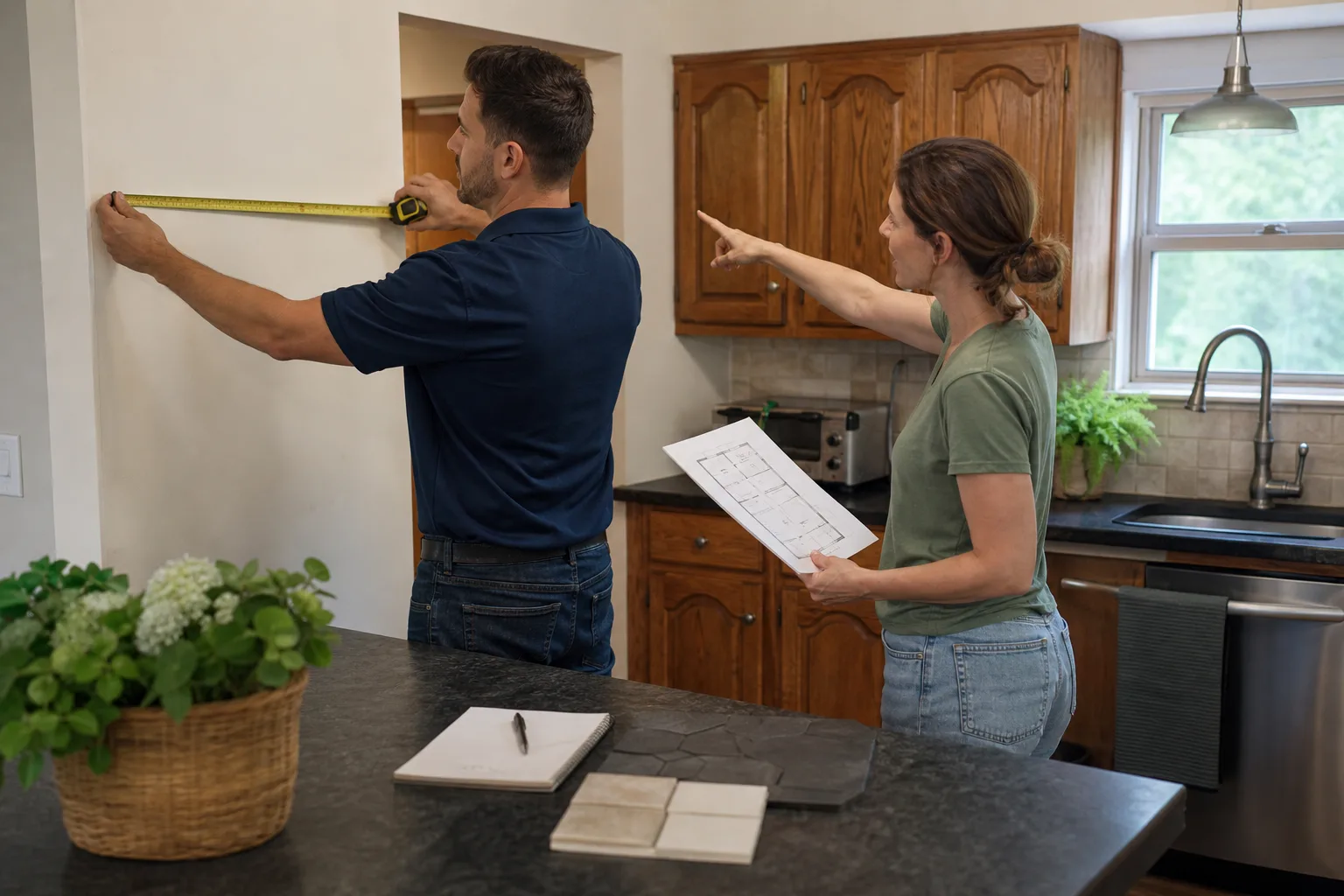
Here’s the trap: a homeowner decides to save the general contractor’s markup and hires the electrician, the plumber, and the drywall crew directly. Each sub shows up when they say, the work is done, and the homeowner pays each one. Sounds efficient. In practice, it’s the part of construction that quietly costs the most when it goes wrong.
A general contractor’s job isn’t to swing a hammer. It’s to hold the schedule, pull the permits, sequence inspections, hold lien waivers, carry the insurance, and own the punch list at close.
- Scheduling: Electrical rough-in has to happen before drywall and after framing. Plumbing rough-in has to be inspected before it’s covered. A day slips in one trade and the whole sequence cascades. A GC absorbs that problem; a homeowner absorbs it in real time, usually at their own dinner table.
- Inspections: Permitted work requires inspections at specific stages. If you self-manage, you’re responsible for scheduling them, being home for them, and passing them. A failed inspection means rework, and possibly a re-inspection fee you didn’t plan for.
- Lien waivers: If a sub you hired directly doesn’t pay a supplier, the supplier can file a mechanic’s lien against your property. The lien attaches to your house, not the sub’s. A GC’s process includes collecting signed lien waivers at each payment. That’s a lot of paperwork to manage alone, and the consequence when it goes wrong is a cloud on your title.
- Insurance and liability: A GC carries liability coverage for the work. When you self-manage, if a sub damages something in your home, your homeowner’s policy is the first stop. That’s the same subrogation problem in a different shape.
For a bathroom project specifically, the sequence-heavy work is where this really bites. The Bathroom Remodeling in Denton page breaks down how the rough-in and waterproofing inspection sequence usually runs.
The hybrid model: GC handles permitted work, you handle finish
The good news is you don’t have to choose between hiring a full GC and doing everything yourself. The hybrid model is where real money gets saved with zero added liability, and it works like this:
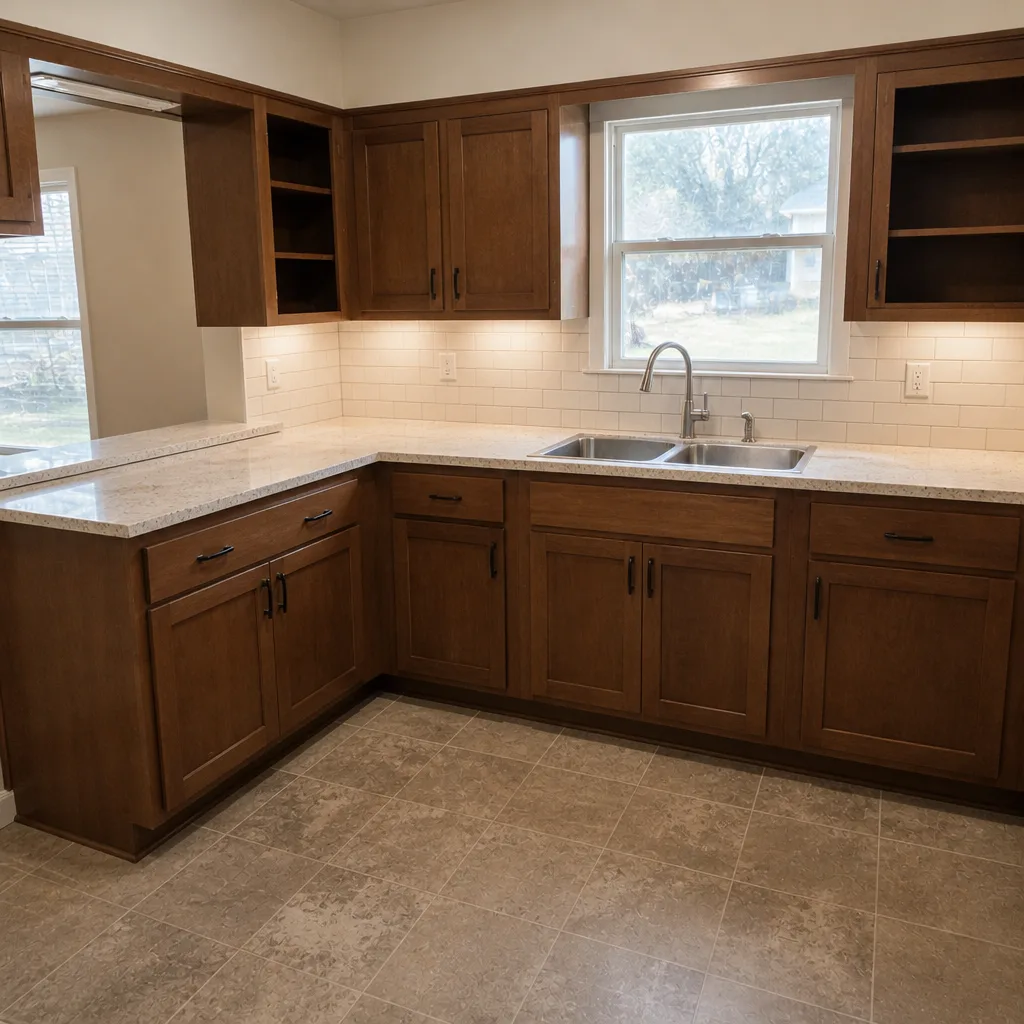
- Define the permitted scope and the finish scope separately. For a kitchen, permitted scope is electrical, plumbing, and any structural change. Finish scope is cabinet installation, backsplash, paint, trim, and flooring.
- Hire a GC for the permitted scope. That covers the trades, the inspections, the lien waivers, and the written guarantee on that portion of the work. Bradford Remodeling Co Denton works this way: a written price before any work starts, trades sequenced, inspections passed, and the 365-Day Done Right Promise covering the completed work for a full year.
- Take on the finish work yourself. Cabinets you’re installing after the GC’s rough-in is complete, backsplash, paint, trim, and flooring are yours. Buy the materials yourself, keep the receipts, and follow the manufacturer’s installation specs so your warranty stays intact. KraftMaid and Wellborn both publish clear installation guidance, and following it keeps their warranty valid.
- Confirm the handoff in writing. Ask the GC to note in the contract where their scope ends. That one line prevents the “who’s responsible for this” conversation later.
- Keep your paper trail. Permit number, inspection cards, and the written guarantee from the GC. That’s what a buyer’s inspector will ask for at resale.
The savings on a hybrid kitchen remodel in Denton come mostly from the finish labor you take back. That amount is real, and it doesn’t come at the cost of a permit or a guarantee. What it also doesn’t cost you is a coverage dispute, because the permitted work was done under someone else’s liability.
Denton-specific realities: permits, inspections, climate
Denton has its own permit process, its own inspection schedule, and its own climate realities that shape which DIY projects go badly. A few specifics that come up:
- Clay soils and drainage: North Texas expansive clay moves with moisture. A DIY landscaping project that redirects water toward the foundation can cause differential movement, and foundation repair is not a cheap fix. Get grading and drainage right, even if the plantings are yours to install.
- Summer heat and exterior painting: Exterior paint applied in Denton’s July and August heat can fail prematurely if the surface temperature is too high. If you’re painting your own exterior, work in the shoulder season or the early morning, and check the product’s spec sheet for the application temperature range.
- Freeze events: The February 2021 freeze exposed a lot of uninsulated plumbing in Denton homes. If you’ve done your own plumbing work in an exterior wall or attic, that’s exactly the work most likely to fail in the next freeze, and it’s the category where we most often see insurance disputes.
- Permit records at resale: Denton buyers and their agents have gotten sharper about pulling permit history. Unpermitted work in a Denton house is a regular source of negotiation friction, and the fix is documentation, not argument.
- Garage conversions and accessory structures: These come up a lot in Denton’s older neighborhoods, and they require permits and inspections regardless of who does the work.
If you want a straight read on what scopes in your home need a permit, that conversation is easier before you start swinging a hammer than after. A General Contractor in Denton can tell you in a single site visit what needs a permit, what doesn’t, and where the finish work begins.
Common Mistakes to Avoid
- Assuming the homeowner exemption means no permit. The state licensing exemption and the local permit requirement are two separate things. In Denton, permit requirements apply regardless of whether you’re licensed.
- Skipping the permit to save $200. The permit fee is a fraction of the cost of uncovering unpermitted work at resale or in an insurance claim. The math never favors skipping it.
- Doing electrical in an exterior wall without insulation upgrades. Denton’s freeze events are unforgiving to plumbing and electrical in exterior walls. If you’re opening the wall anyway, insulate it correctly, and if you’re not confident, hire a licensed electrician.
- Not checking the code cycle. If you pull a permit and do the work yourself, the work must meet the currently adopted code, not the code you found in a 2014 tutorial video. Get the current adopted version from the City of Denton Development Services before you start.
- Self-managing subs without lien waivers. The supplier lien on your house is a real risk, and it’s a paperwork problem that most homeowners have never dealt with before.
- Assuming the insurance claim will go through. Faulty workmanship exclusions are common in homeowner policies. If your DIY work is in the chain of causation, the claim gets complicated quickly.
- Buying materials for cabinets and surfaces without confirming installation specs. With premium lines like KraftMaid, Wellborn, or Cambria, the manufacturer’s installation spec is part of the warranty. Follow it or the warranty doesn’t cover you.
See the difference
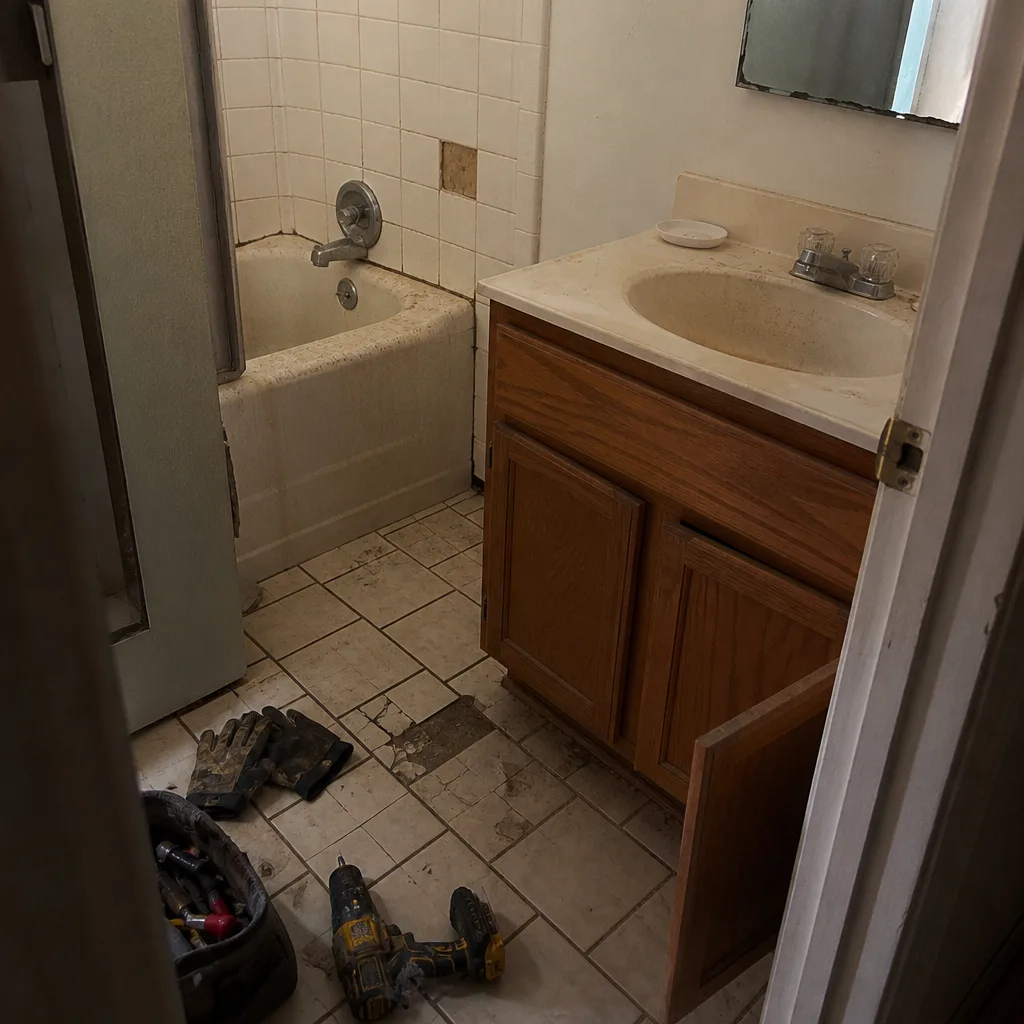 Before
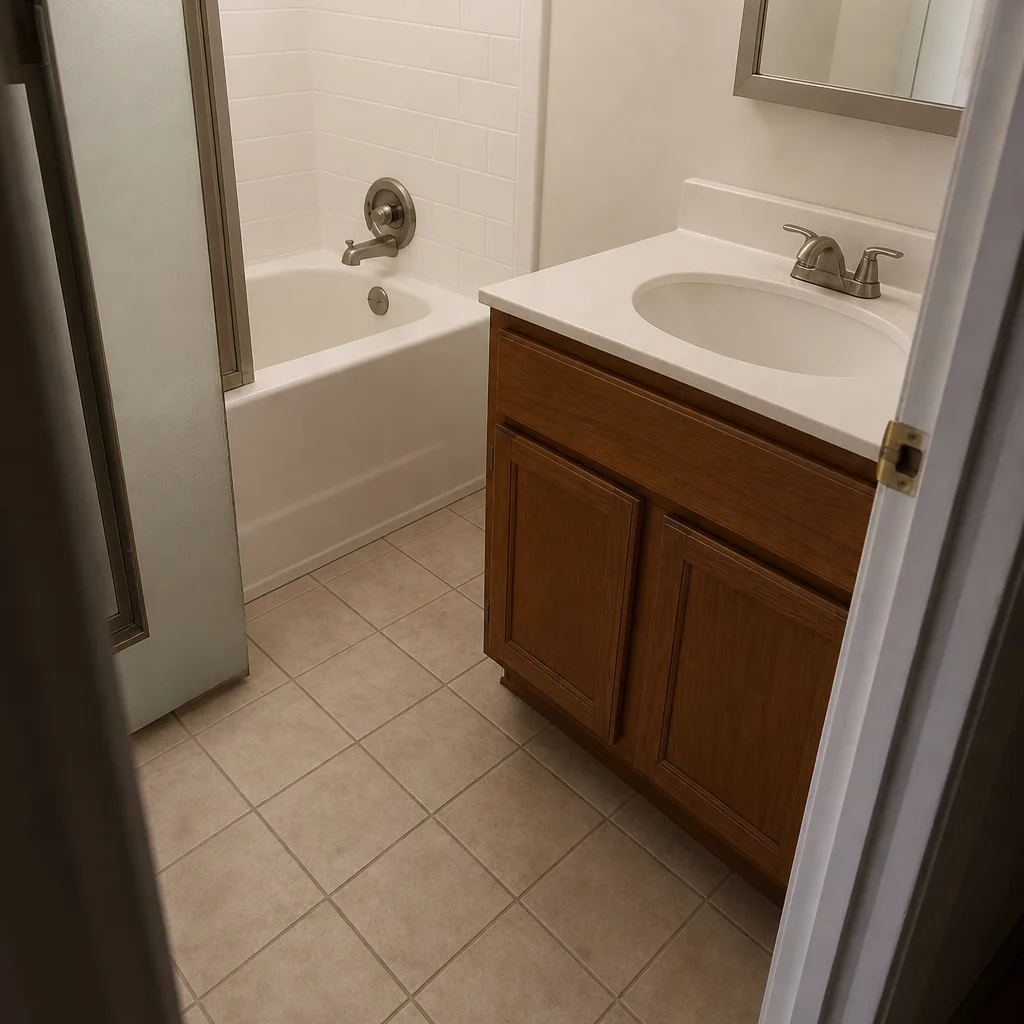 After
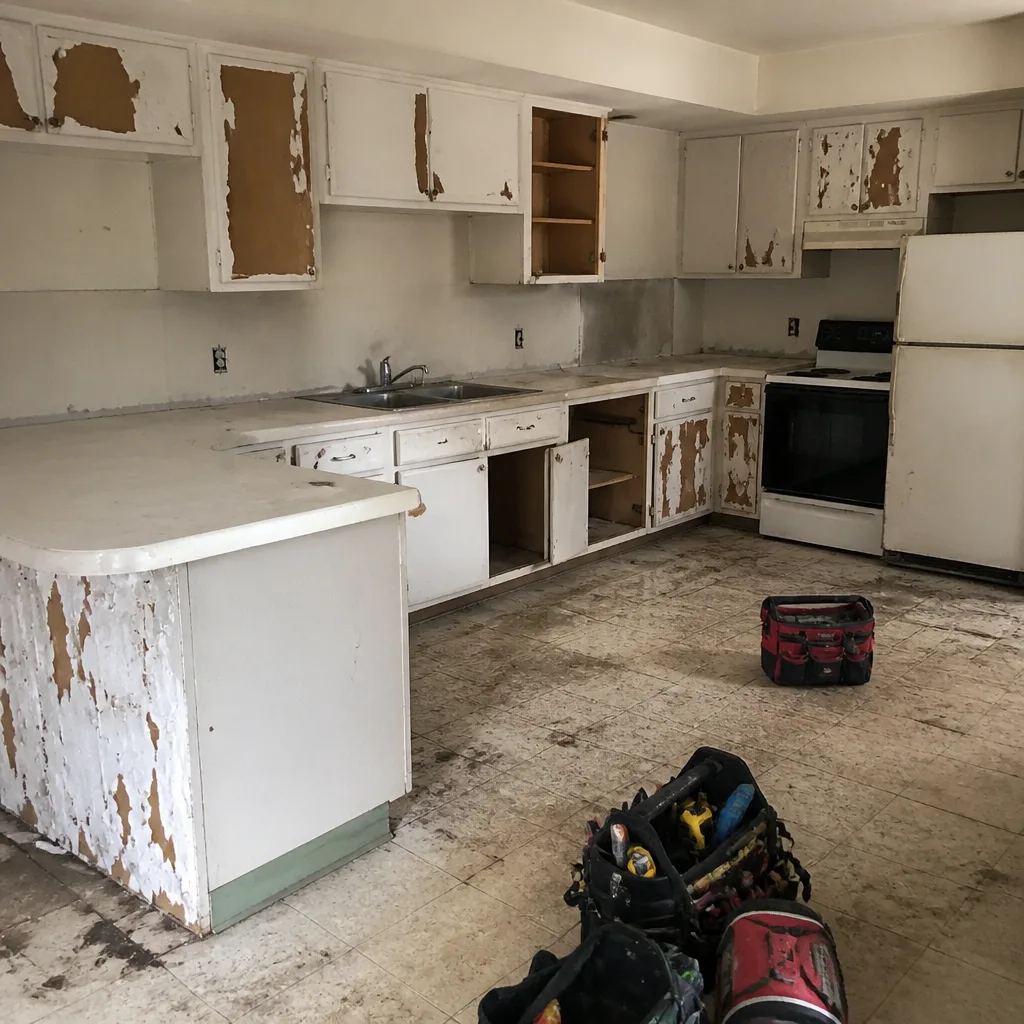 Before
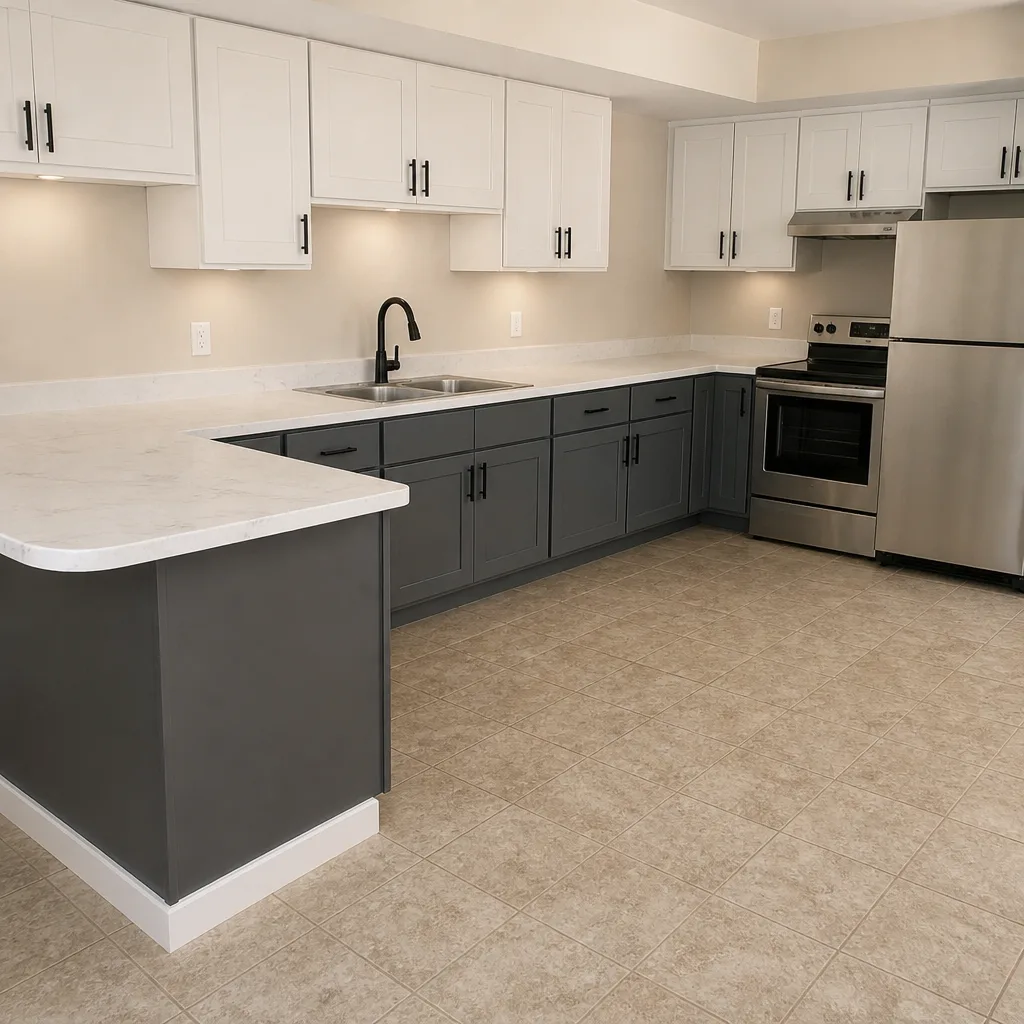 After
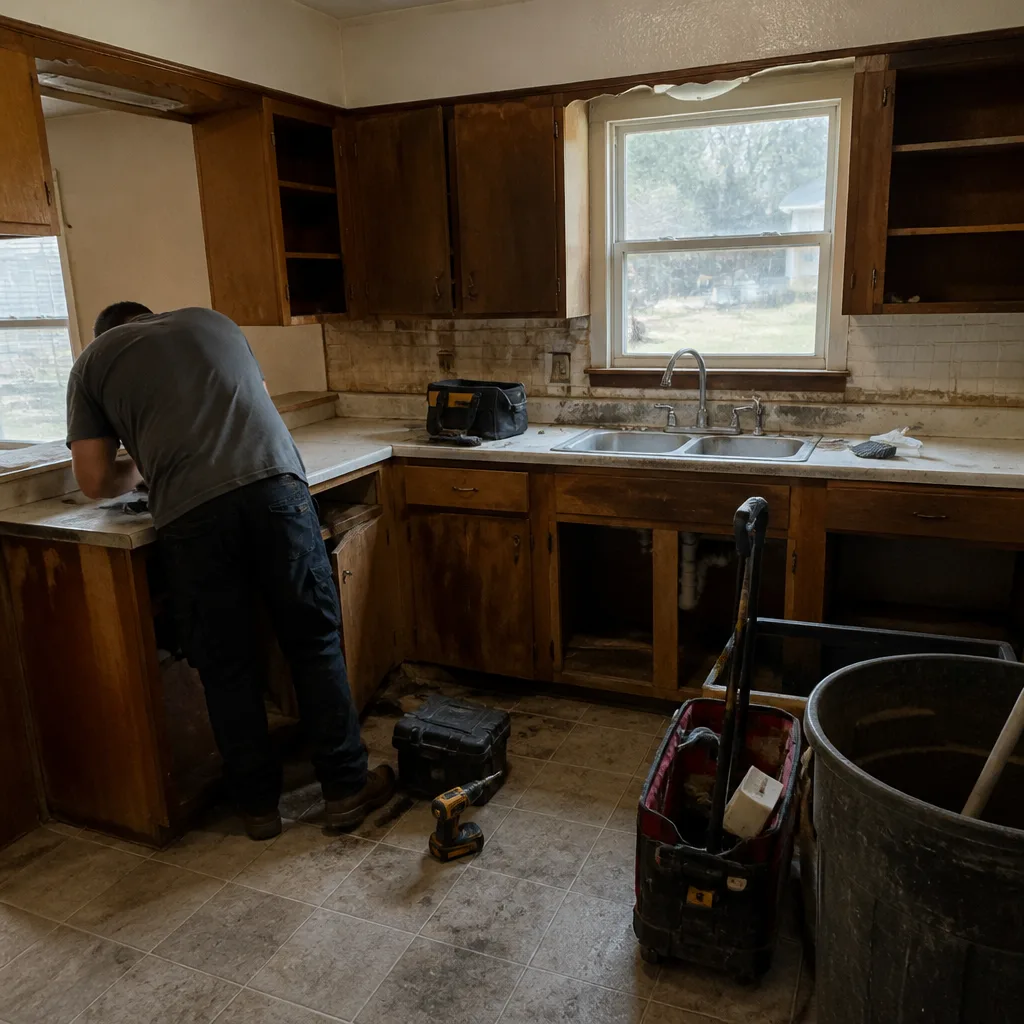 Before
 After
When to Call a Professional
Call a professional when the work touches electrical, plumbing, gas, HVAC, or anything structural. Call when the scope requires a permit and inspection. Call when the project is sequence-heavy (kitchens and bathrooms almost always are) and when you’re dealing with lien exposure, because a general contractor’s job is to absorb those problems, not just to hand you a bill.
And call when the work is finished and you want a written guarantee that covers it for a full year. Bradford Remodeling Co Denton offers free estimates in Denton, and we’ll put the price in writing before any work starts. Call (844) 651-3175 to schedule yours; a live person answers the phone, not a voicemail queue. Every completed project carries the 365-Day Done Right Promise, and our technicians have up to 22 years of experience on the work they take on.
The Garrison Standard is what we hold ourselves to: written price, documented scope, permits pulled and inspections passed, background-checked technicians on every job, and the guarantee in your hand at close. That’s the part of the job you can’t do yourself, and it’s the part that keeps the DIY-vs-hire decision simple.
Frequently Asked Questions

Yes, if you own and occupy the home as your primary residence, Texas allows you to perform electrical work without a state license under the homeowner exemption. That exemption does not exempt you from local permit requirements, code compliance, or insurance exclusions for faulty workmanship. In practice, the safest approach is to hire a licensed electrician for panel work, new circuits, or anything inside a wall, and handle only simple fixture swaps yourself.
It won’t void the policy outright, but it can trigger a faulty workmanship exclusion when you file a claim. If the loss traces back to work you did yourself and the insurer determines the work caused the damage, the claim can be denied or partially denied. Call (844) 651-3175 if you want a written scope from a licensed contractor before you take on work that could affect a claim.
Doing plumbing or electrical inside an exterior wall without insulating it to Denton’s freeze-event standards. That’s the failure mode we see most often after a hard freeze, and it’s also the most common source of insurance claim disputes in this region. If the wall is open anyway, upgrading the insulation is a cheap fix and it protects the work you just did.
Yes, if the work involves electrical, plumbing, gas, or structural changes. A cosmetic refresh that only touches paint, countertops, and cabinet doors typically doesn’t require a permit, but a layout change that moves the sink or adds a circuit does. A Kitchen Remodeling in Denton contractor can confirm which scope needs a permit in a single walkthrough.
Savings vary with the finish scope you take on, but it usually runs a meaningful portion of the finish labor cost, not the trade labor. The trade labor is where the liability sits and where the GC earns their fee. The finish labor (paint, backsplash, trim, flooring) is where the savings are real, and where no permit or guarantee is at stake.
Every completed Bradford Remodeling Co Denton project carries a full-year written guarantee. If the work fails within that year, we come back and correct it at no charge to you. The guarantee is issued in writing at job close, along with the documented scope and the permit and inspection records for the permitted portion of the work. Call (844) 651-3175 for a free estimate and to see what’s covered on your specific project.
The Bottom Line
The DIY-vs-hire line isn’t about skill. It’s about liability. Demolition, painting, landscaping, and finish carpentry in non-structural walls are yours to take on, and doing them saves real money with no permit, insurance, or resale exposure. Electrical, plumbing, HVAC, gas, and anything structural should go to a licensed professional, and the general contractor’s coordination role (scheduling, permits, inspections, lien waivers, written guarantee) is almost never worth DIYing even when the trades themselves are hired out. The hybrid model is where the real savings are: a GC for the permitted scope, you for the finish. Put the price in writing, keep the paper trail, and call (844) 651-3175 for a free estimate in Denton.
Written by the team at Bradford Remodeling Co Denton.