Last updated November 17, 2026








Free written scope consultation - allowances, timeline, and change-order rules on paper before a single trade is scheduled
Kitchen Remodeling Warning Signs Every Homeowner Should Know
A contractor’s Instagram feed can look immaculate while the contract in front of you quietly leaves you holding permit fees, uncapped change-order markups, and a completion date written as “approximately 6 – 8 weeks.” The red flags that predict a bad kitchen remodel aren’t hidden in the portfolio photos. They’re in the paperwork habits, and they show up before demolition day. We’ve watched this play out across Denton kitchens, from the older homes near the Square to newer builds out toward Rayzor Ranch. This guide teaches you to audit the contract, not just the tile samples, so you can spot trouble while it’s still a signature away.
Quick Answer
The warning signs of a bad kitchen remodeling contractor live in the documents: vague line items like “allowances” and “as needed,” no permit pull, no written price before work starts, no lien waiver process, and a contingency that’s never priced in writing. A remodeler who won’t put a fixed number and a schedule on paper before any work begins is telling you exactly how the job will end. Read the contract before you fall in love with the drawings.
Styles & brands we work with
- Kitchen remodeling
- Bathroom remodeling
- Home additions & ADU
- Roofing
- Windows & doors
- Driveway & pavers
- Fence
Table of Contents
- How to Read a Kitchen Remodeling Estimate for Surprise-Invoice Language
- Why a Skipped Permit Is the Costliest Warning Sign in Denton
- Licensed General Contractor vs. Handyman on a $30K+ Kitchen
- How to Verify a Lien Waiver Process Before You Release Any Draw
- What “We’ll Figure Out the Demo Surprises as We Go” Actually Costs
- The Contingency Line Item: Priced in Writing or Not at All
- What a Squared-Away Job Close Looks Like
How to Read a Kitchen Remodeling Estimate for Surprise-Invoice Language
The language that creates surprise invoices is almost always legal, standard, and buried mid-page. Three phrases do the most damage: “allowances,” “as needed,” and “per owner selection.” Each one hands the final price back to the contractor after you’ve signed.
An allowance is a placeholder dollar amount for a material you haven’t picked yet, usually cabinets, countertops, or tile. A $4,000 cabinet allowance sounds reasonable until you learn it covers particleboard boxes and the KraftMaid line you actually want runs $9,500. The contractor isn’t overcharging by the letter of the contract; the allowance simply wasn’t a real number. A written price means the material is specified by brand and model before you sign.
“As needed” and “per owner selection” work the same way. They’re open doors. When you see them, ask what happens to the price if the selection comes in higher. If the answer is a change order at the contractor’s markup with no cap, you’ve found the surprise.
Here’s a quick audit tool. A clean estimate should show:
- A fixed line-item price for labor and materials, by brand and model where it matters.
- Permit fees listed as a specific dollar figure, not “TBD.”
- A written completion schedule with milestone dates, not “approximately 6 – 8 weeks.”
- Change-order terms showing the markup percentage and any cap.
- A named payment schedule tied to milestones you can verify.
If those five items aren’t on the page, the estimate isn’t finished. Our kitchen remodeling in Denton projects start from a written price before a single tool comes out, because a number that moves at the door isn’t a price, it’s a guess.
Why a Skipped Permit Is the Costliest Warning Sign in Denton
A contractor who suggests skipping the permit to “save you money” is handing you a bill three ways over: at resale, at insurance, and at inspection. In Denton, kitchen work that moves plumbing, gas, or electrical requires a permit, and the local code office cares about the details. A gas line moved without inspection behind a new range, or a circuit added to feed a double oven without an electrical sign-off, is a liability that follows the house, not the contractor.
Here’s what actually happens when the permit gets skipped:
- Resale stalls. A Denton buyer’s inspector finds unpermitted work, flags it, and the deal renegotiates. You either pay to tear it out and redo it legally, or you drop your price.
- Insurance pushes back. If a fire or water loss traces to unpermitted electrical or plumbing, the claim gets contested. Your policy may not cover work that was never inspected.
- Inspection reopens the walls. Fixing it later means opening finished drywall and re-running the trades to a code standard that costs more than the original pull would have.
We’ve seen this in Denton more than once, especially in older homes where a previous owner’s “updated kitchen” was never inspected. Before you buy or remodel, ask the contractor for the permit number and the inspection sign-offs. A by-the-book contractor offers them without being asked. If the answer is a shrug, walk. For the broader picture on how permits fit every phase of a build, see our general contractor in Denton page.
Licensed General Contractor vs. Handyman on a $30K+ Kitchen
Texas doesn’t license general contractors at the state level the way some states do, which is exactly why the paperwork matters more here, not less. What Texas law does require is a licensed electrician, plumber (via a state plumbing license), and HVAC technician for the work that touches those systems. A general contractor who coordinates those trades and pulls the permits is running the job legally. A handyman who does the wiring himself usually isn’t.
The distinction on a $30,000+ kitchen isn’t about skill in one trade; it’s about who’s accountable when three trades, a permit office, and a delivery schedule have to line up. A licensed GC carries a documented scope, a written schedule, and a guarantee that outlasts the final invoice. A handyman with a verbal agreement carries none of those.
What you should be able to verify before hiring anyone for a full kitchen:
- Insurance and bonding in place, with certificates you can see.
- Subcontractors who carry their own licenses for electrical, plumbing, and gas.
- A written guarantee that specifies what it covers and for how long.
- A roster of materials with manufacturer specs and warranties behind them.
Bradford Remodeling is a member of the Garrison Partners family, held to The Garrison Standard, which puts each of those in writing. Our technicians have up to 22 years of experience, and the crews that arrive are background-checked and uniformed so you know who’s walking through your door. That’s the difference between a handshake and a contract.
How to Verify a Lien Waiver Process Before You Release Any Draw
A mechanic’s lien is a claim against your property filed by a subcontractor or supplier who wasn’t paid, and it can land on your deed even when you paid the general contractor in full. The defense is a lien waiver: a signed document from each sub and supplier confirming they’ve been paid and waive their right to file. If a contractor can’t explain how waivers are collected before your first draw, that’s a warning sign, and it’s a serious one.
Here’s the draw-payment process a disciplined contractor runs, and one you can ask any Denton remodeler to describe:
- Milestones, not calendar dates. Each draw is tied to a completed, inspectable phase, not a date on the wall.
- Conditional waivers before payment. Subs sign a conditional waiver for the upcoming draw, so you release money against a signed promise.
- Unconditional waivers after funds clear. Once paid, each sub signs an unconditional waiver confirming the money landed.
- A lien-waiver file you can read. Every waiver goes in one folder you can ask to see at any point, and you hold the final set at close.
Ask the contractor to walk you through this on a real recent job. If the answer is a blank look, the payment process isn’t designed to protect you. A written price before work starts and a documented waiver trail are two halves of the same promise: you always know where your money went.
What “We’ll Figure Out the Demo Surprises as We Go” Actually Costs
A kitchen demolition always finds something: a joist that won’t carry a loaded island, knob-and-tube wiring behind the wall, a drain line running where the new sink wants to go. The question isn’t whether surprises happen. It’s who priced them and how. “We’ll figure it out as we go” is a decision to let the contractor set the price after the wall is open and you have no kitchen.
That open-wall moment is where a change order with a fat markup appears. The water-damaged subfloor, the rotted sill, the surprise gas line reroute, all priced at a moment when you can’t comparison-shop and can’t put the kitchen back. We’ve watched homeowners in Denton absorb $4,000 – $9,000 in unplanned work that a priced contingency would have covered from the start.
Our climate adds a wrinkle worth knowing. Denton’s expansive clay soil shifts with wet and dry cycles, which can crack tile and stress the substrate under a kitchen floor. A contractor who’s worked here knows to check the subfloor before quoting a tile install, because a “surprise” cracked slab isn’t a surprise at all; it’s a known local condition. The same goes for the older homes near Texas Woman’s University and the Square, where plumbing and wiring were often updated piecemeal over decades.
A contractor who prices a contingency line item in writing upfront is telling you they’ve done this before and won’t bill you twice for the same lesson. That line is a sign of experience, not padding. Ask for it.
The Contingency Line Item: Priced in Writing or Not at All
Here’s a distinction that separates the pros: a good contractor writes a contingency into the estimate, usually a stated percentage of the total, with a rule for how it gets spent. If the demo reveals rot or a failed subfloor, the contingency covers it and you approve the draw. If the work stays clean, the unused contingency comes off the final bill. Either way, the number never jumps at the door.
The alternative, and the warning sign, is the contractor who leaves contingency out entirely and plans to bill surprises as they come. That’s not optimism; it’s a pricing strategy that favors the person holding the hammer.
When you review an estimate, ask three questions about contingency:
- What percentage is built in, and what does it typically cover?
- What happens to the unused portion if the job runs clean?
- What’s the process for approving a draw against it?
If the contractor can’t answer all three in plain language, the paperwork isn’t squared away. That’s a red flag, and it’s on page one, not page twelve.
What a Squared-Away Job Close Looks Like
The end of a kitchen remodel is a specific set of documents and a clean site, not a handshake at the door. A disciplined contractor closes the job the same way they opened it: in writing. Here’s what “squared away” looks like at close, and how to check it.
- A clean site. Debris hauled, surfaces wiped, protective coverings pulled, and no leftover materials stacked in the garage for you to deal with.
- A documented scope. You have the original written scope and every approved change order, matching what’s actually built.
- Final inspection sign-offs. The permit is closed and the inspection records are in your hand.
- A signed written guarantee. You hold a document stating what’s covered, for how long, and what happens if the work fails.
- The final lien-waiver set. Every sub and supplier has signed off, so nothing can attach to your deed later.
Bradford backs every completed kitchen with the 365-Day Done Right Promise: a full-year written guarantee, and if the work fails inside that window, we come back and correct it at no charge. That guarantee is the same discipline you should demand from any Denton contractor before they pack the truck for the last time. If the close-out documents aren’t there, the job isn’t done. For projects that touch more than the kitchen, our Bradford Remodeling Co Denton home page covers the full scope of what a whole-home job looks like.
Common Mistakes to Avoid
- Falling for the photo and skipping the paperwork. A beautiful kitchen on a feed tells you nothing about who’s liable when a subfloor fails in an older Denton home. Read the estimate before you admire the tile.
- Accepting an allowance as a real price. A cabinet allowance that doesn’t name a brand and model is a number that will move. Insist on a specified material before signing.
- Letting the contractor pull the permit “later.” In Denton, an unpermitted gas or electrical rough-in behind a finished wall is a resale and insurance problem you inherit. The permit gets pulled first, not after.
- Paying a draw before receiving a conditional lien waiver. Releasing money before a signed waiver is how a sub you’ve never met ends up filing against your property.
- Signing a schedule that says “approximately.” A completion window with no milestone dates gives a contractor unlimited room to stretch the job while your kitchen sits half-built.
- Believing a spoken promise about surprises. “We’ll figure it out” is a red flag; a priced contingency line item is the alternative. One is a plan, the other is a hope.
- Ignoring the change-order markup terms. If markups on additions aren’t stated and capped in the contract, every surprise becomes an uncapped bill while you’re least able to negotiate.
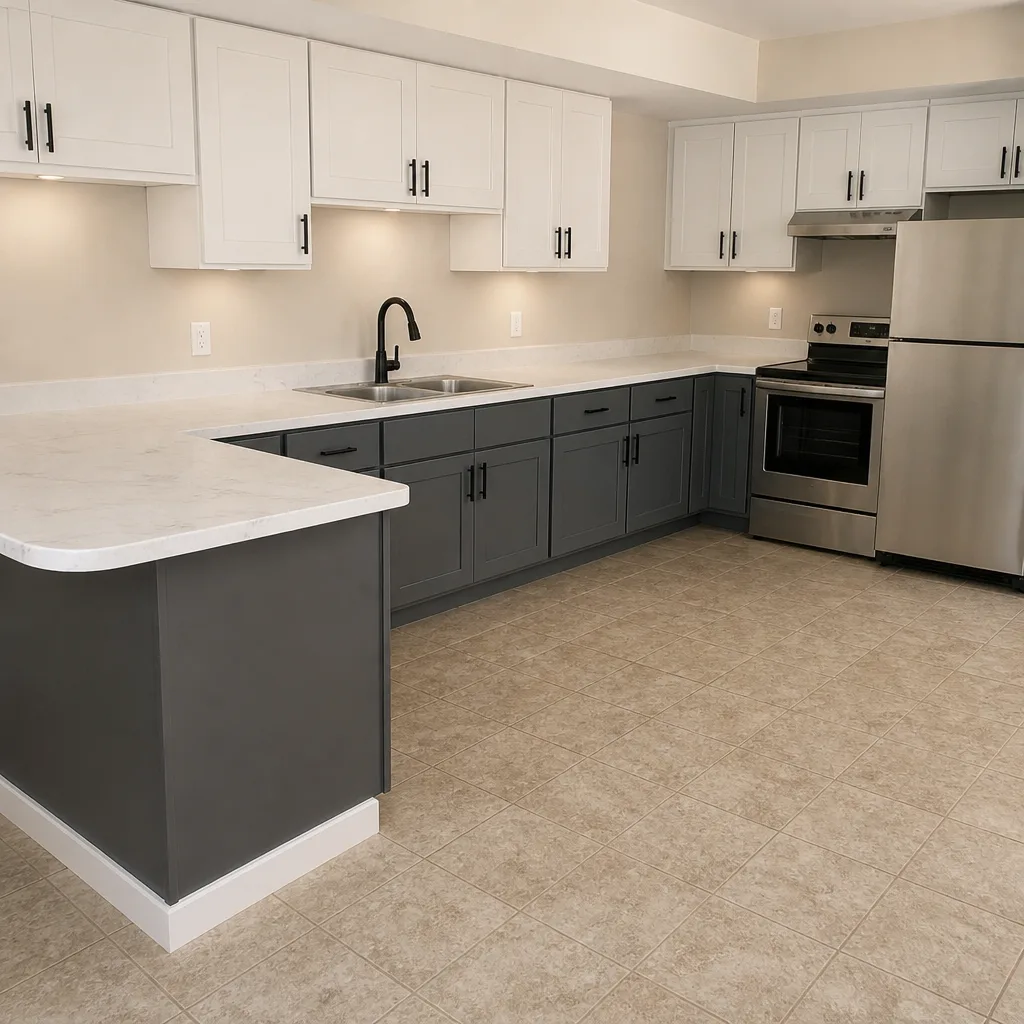
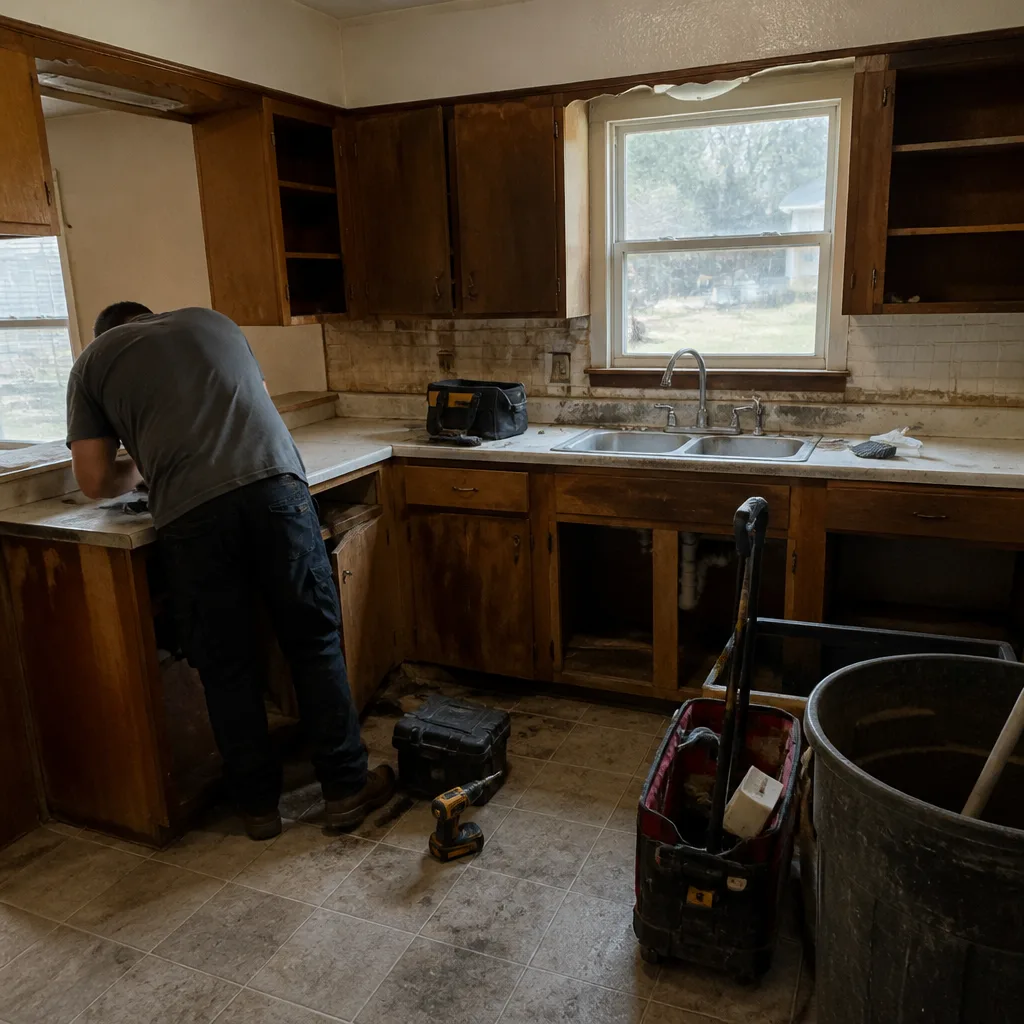
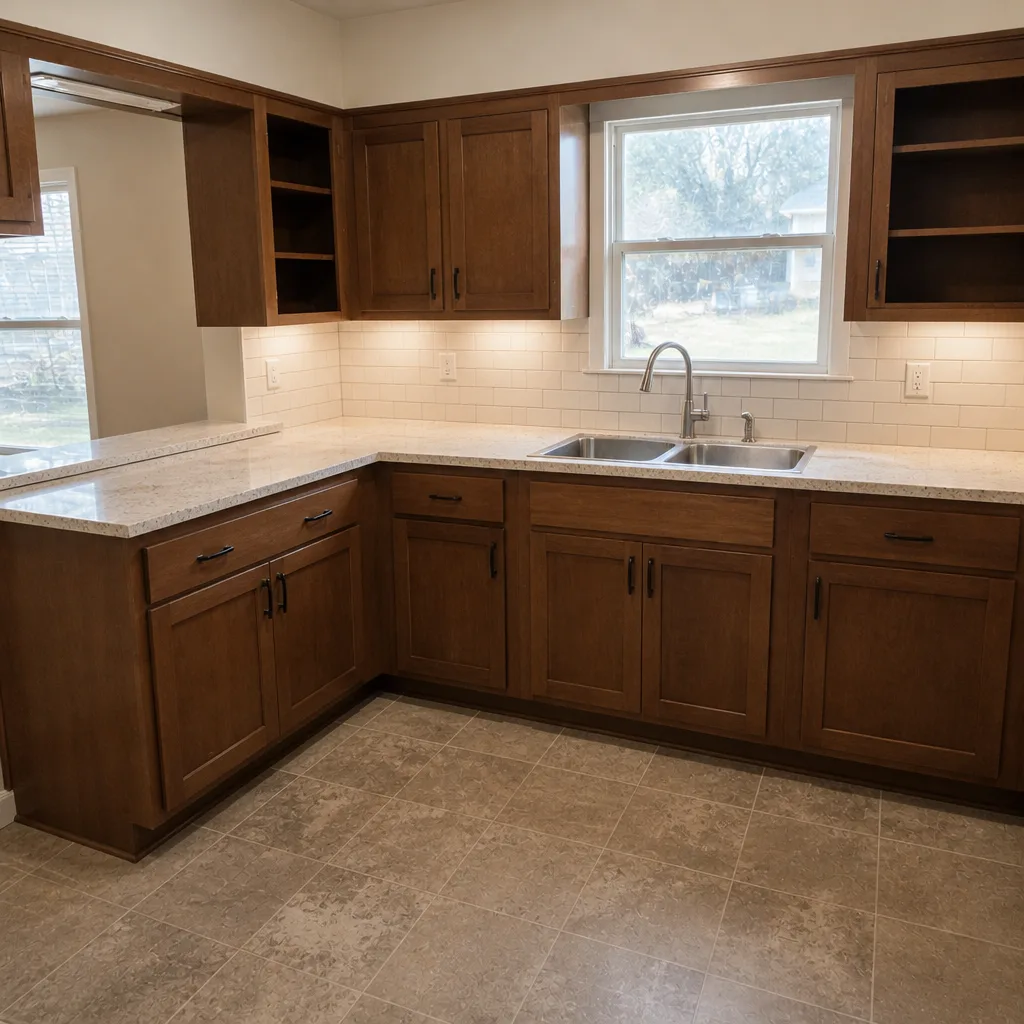
See the difference
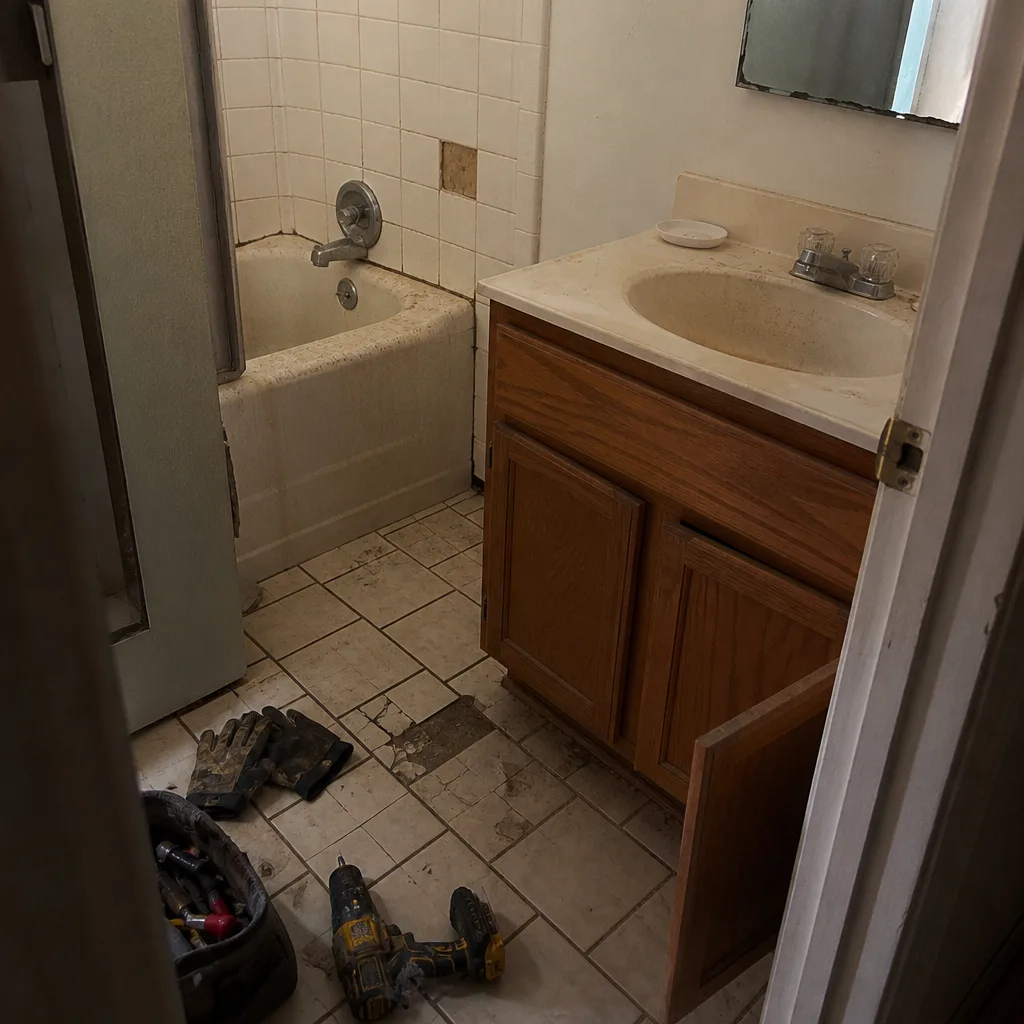 Before
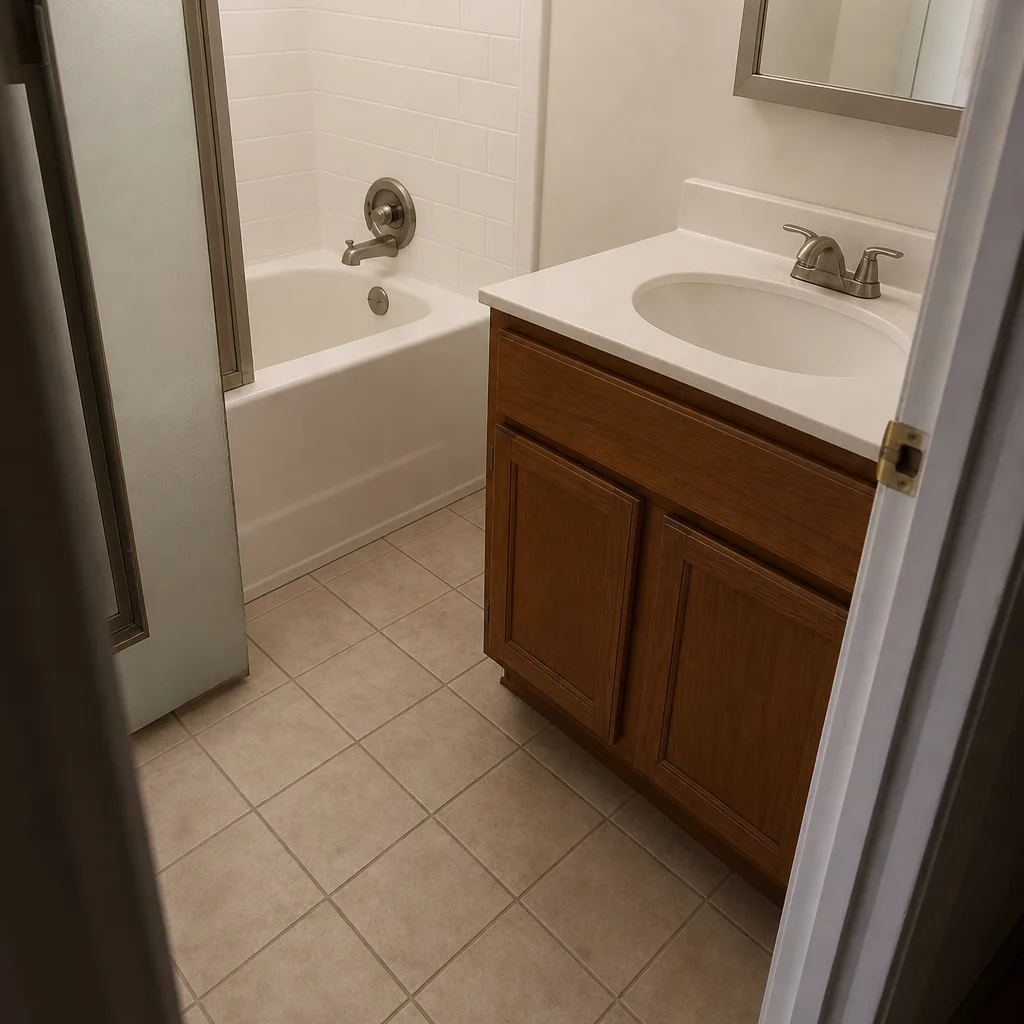 After
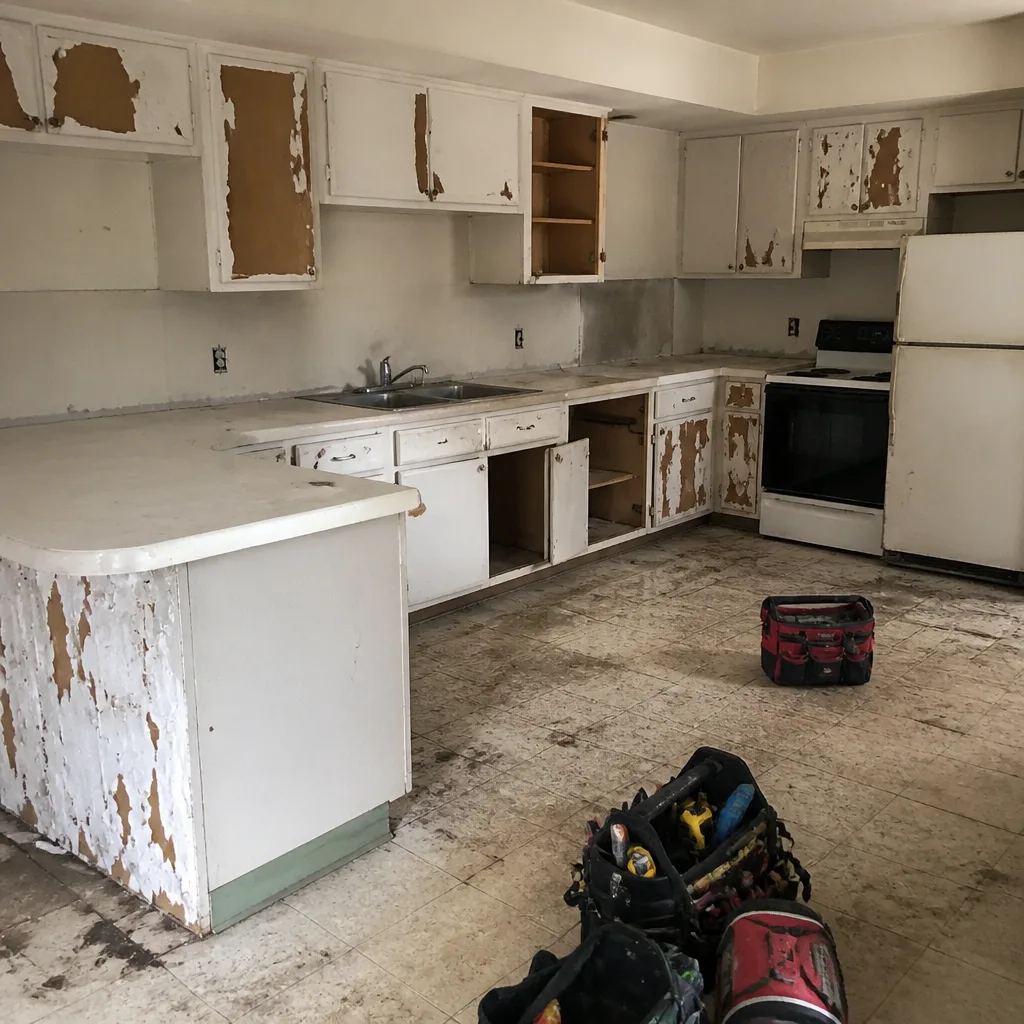 Before
 After
 Before
 After
When to Call a Professional
If you’re looking at a $30,000+ kitchen and the estimate you’ve been handed uses “allowances,” “as needed,” or “approximately,” it’s time to get a second written price. The same goes if the contractor can’t produce a permit number, can’t explain their lien-waiver process, or won’t put a schedule with dates on paper. And if a kitchen demolition has already gone sideways with surprise invoices coming at you mid-project, a written scope from a by-the-book contractor will tell you exactly where the job stands and what it should cost to finish it. Bradford Remodeling Co Denton offers free estimates in Denton. Call (844) 651-3175 to schedule yours, and a live person answers 24 hours a day, seven days a week, not a voicemail. Bring your current estimate if you have one; we’ll walk through the red flags together and give you a fixed written price before anything else happens.
Frequently Asked Questions

The number one warning sign is a contractor who won’t put a fixed written price and a milestone schedule on paper before work starts. That single habit predicts the surprise invoices, the stretched timeline, and the unpermitted work that follow. Call (844) 651-3175 for a free estimate from a contractor who prices in writing.
A real allowance names a brand and model so you and the contractor both know what the money buys; a fake one is a dollar figure with no material specified, which is where surprise invoices start. Ask for the brand and model in writing, and ask what happens to the price if your choice runs higher. If the answer is a change order at an uncapped markup, you’ve found the problem.
Yes, for any kitchen work that moves plumbing, gas, or electrical, you need a permit and an inspection in Denton, and skipping it is the costliest mistake a homeowner can make. Unpermitted work can stall a resale, complicate an insurance claim, and force you to reopen finished walls to fix it later. Ask the contractor for the permit number before any work starts.
A buyer’s inspector will flag the unpermitted work, and the deal either renegotiates or stalls while you pay to make it legal after the fact. In Denton that can mean tearing out finished drywall to expose rough-in that was never inspected, which costs more than the original permit would have. Ask for the closed inspection record before you sign anything; if it’s missing, get another bid.
A lien waiver process is in place when each subcontractor and supplier signs a conditional waiver before you release a draw and an unconditional one after funds clear, with all of them collected in a file you can read. Ask the contractor to walk you through a real recent job’s waiver file. If they can’t, the payment process isn’t designed to protect you.
A full kitchen remodel in Denton generally runs from around $30,000 into six figures depending on cabinetry line, countertop material, and how much mechanical work the house needs, with a priced contingency line item added on top. The contingency covers surprises like a rotted subfloor or a surprise gas reroute and comes off the bill if the job runs clean. Call (844) 651-3175 for a free written estimate with a real contingency number.
The Bottom Line
The red flags that predict a bad kitchen remodel are in the paperwork, not the portfolio. A clean estimate names each material, prices the permit, writes a milestone schedule with dates, states the change-order markup and any cap, and builds in a contingency line item you approve. The contractor who can’t produce a permit number, can’t explain lien waivers, and can’t put a fixed price on paper is telling you how the job ends. Audit the contract, keep the close-out documents, and hire the crew that squares everything away in writing. That’s The Garrison Standard, and it’s how bathroom remodeling in Denton and every other job runs.
Ready to price a kitchen with a number that doesn’t move? Call Bradford Remodeling Co Denton at (844) 651-3175 for a free estimate. We’re part of the Garrison Partners family, and every project comes with a written price before work begins and the 365-Day Done Right Promise after. A live person answers around the clock.
Written by the team at Bradford Remodeling Co Denton.