Last updated November 17, 2026








Free written scope consultation - allowances, timeline, and change-order rules on paper before a single trade is scheduled
How Long Does Home Remodeling Take? Timelines and What to Expect
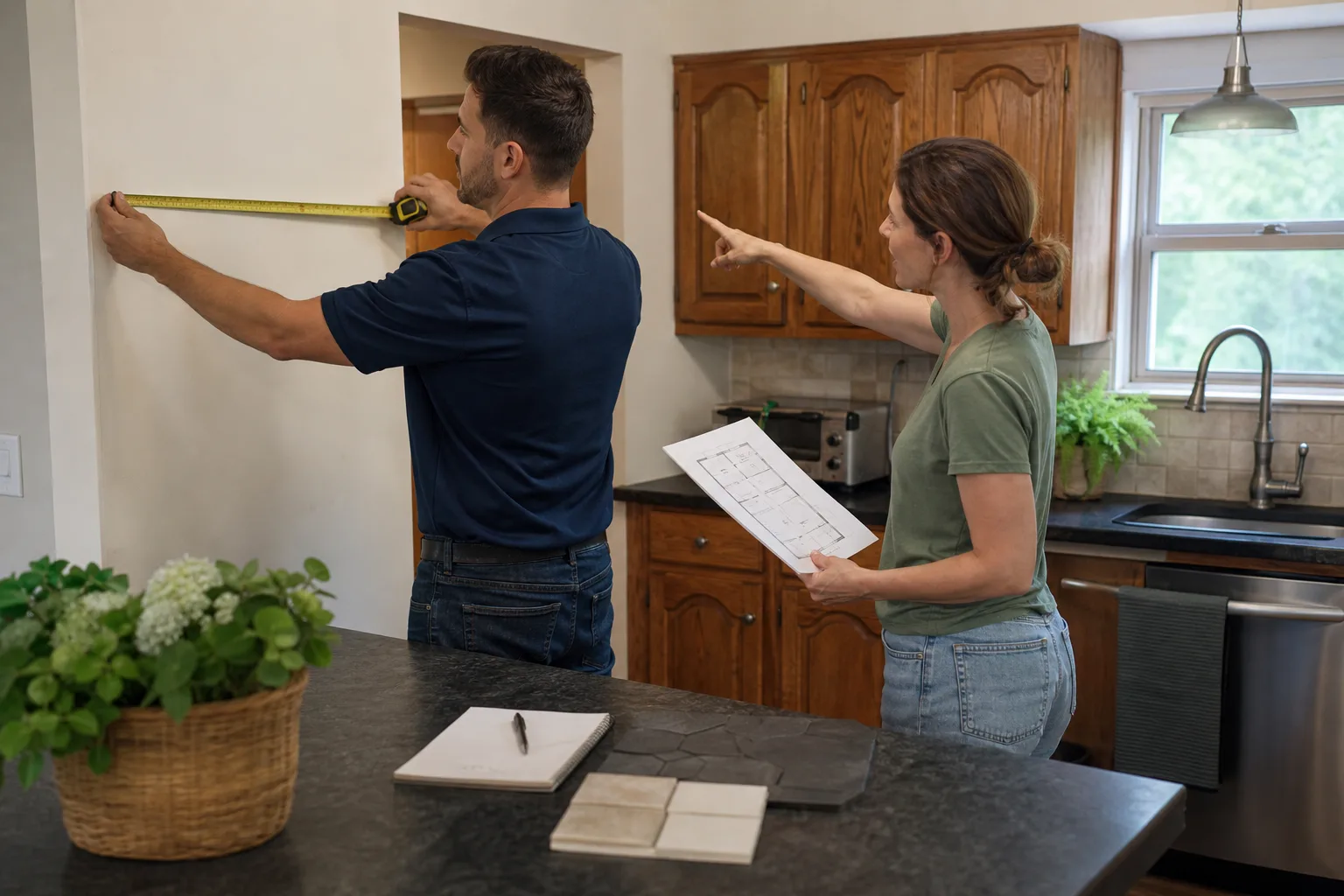
The number one reason Denton remodels run long isn’t material delays or bad weather. It’s that no one locked a sequenced trade schedule to the contract before demo started. When the schedule lives in a contractor’s head instead of on paper, every small slip becomes a surprise, and the homeowner absorbs the cost of that surprise in weeks of waiting. This guide breaks remodeling duration down by phase, trade sequence, and permit lead time, so you can read a schedule, spot gaps in it, and hold it accountable before you sign anything. A written start-to-punch-list date isn’t a favor. It’s the minimum.
Quick Answer
A typical kitchen remodel takes 6 to 10 weeks, a bathroom takes 3 to 6 weeks, a room addition takes 4 to 7 months, and a full gut renovation runs 6 to 12 months. The biggest single driver of variance inside those ranges is permit lead time and how honestly it was built into the schedule. A written timeline with milestone dates, inspection holds, and defined delay responsibility is what separates a controlled project from an open-ended one.
Styles & brands we work with
- Kitchen remodeling
- Bathroom remodeling
- Home additions & ADU
- Roofing
- Windows & doors
- Driveway & pavers
- Fence
Table of Contents
- Timelines by Project Type
- Trade Sequencing: How to Read a Schedule
- Permit Lead Time in Denton
- Substantial Completion vs. Final Punch List
- What a Written Schedule Should Include
- What Drives Variance Within Every Range
- Renovating Older Denton Homes
- Common Mistakes to Avoid
- When to Call a Professional
- Frequently Asked Questions
Timelines by Project Type
Realistic ranges matter more than optimistic ones. Here’s what we see across projects in Denton, broken down by scope. Each range assumes a signed contract, a pulled permit, and materials ordered before demo.
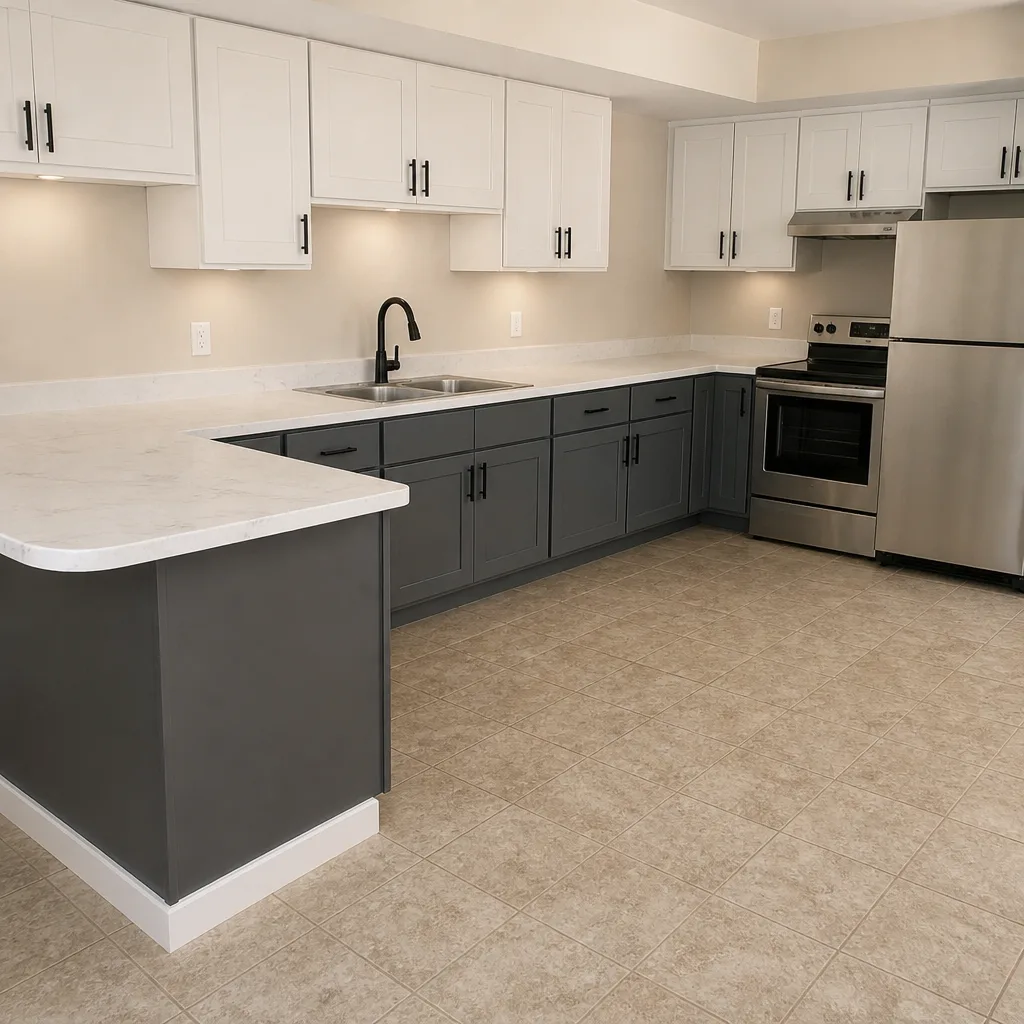
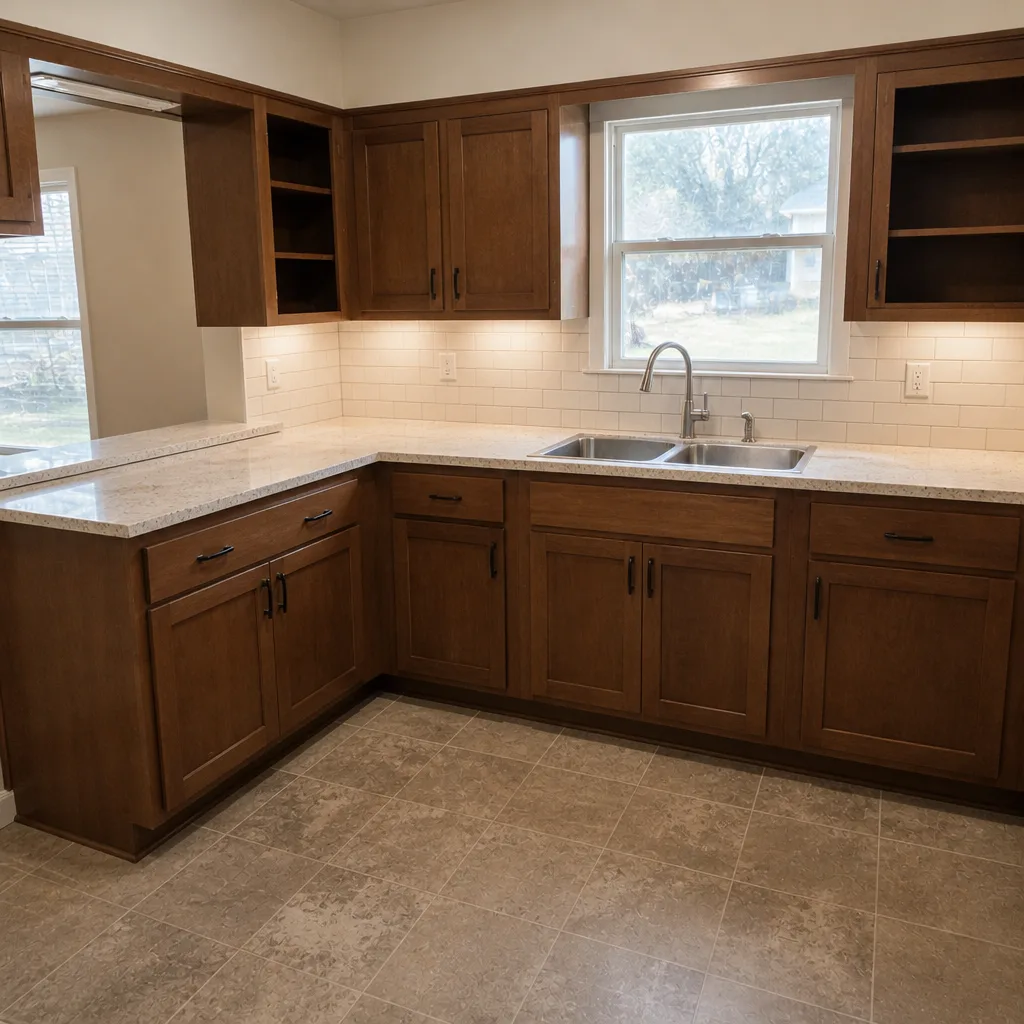
- Kitchen remodel: 6 to 10 weeks. A cosmetic refresh (cabinet fronts, counters, fixtures) lands at the low end. Moving a sink, adding an island, or relocating a gas line pushes toward 10 weeks or past it.
- Bathroom remodel: 3 to 6 weeks. A hall bath with a tub-to-shower conversion runs about 4 weeks. A primary bath with a curbless shower, floor tile, and a relocated drain can hit 6 weeks once the waterproofing cure times are counted.
- Room addition: 4 to 7 months. Foundation, framing, rough-ins, inspections, insulation, drywall, and finish work each carry their own clock. Weather on the framing stage is a real variable in North Texas.
- Full gut renovation: 6 to 12 months. This is a whole-house sequence with multiple inspection holds, and the high end reflects structural surprises found behind the walls.
- Whole-home remodel (staged): 8 to 14 months if you stay in the house. Phasing adds time because each stage needs its own clean-up and finish pass.
If you’re weighing a kitchen against a bath first, our guide to kitchen remodeling in Denton walks through the sequence specific to that room.
Trade Sequencing: How to Read a Schedule
Trade sequencing is the order in which each trade enters the job. It isn’t arbitrary. Rough-ins must precede insulation, and insulation must precede drywall, because you can’t run plumbing through a wall you’ve already closed. If a schedule shows drywall before electrical rough-in, it wasn’t sequenced. It was guessed.
Here’s the standard sequence you should be able to trace line by line:
- Demo and site protection. Tear-out, debris haul, and floor/wall protection before any new material enters.
- Structural and framing. Any beam, header, or wall move, inspected before it’s covered.
- Rough-in trades. Plumbing, electrical, and HVAC (mechanical) rough-ins, in that order or in coordination, each inspected.
- Insulation. Only after rough-in inspection passes.
- Drywall and finish prep. Hang, tape, texture, prime.
- Finish trades. Tile, cabinets, counters, trim, paint, fixtures, and final mechanical trim-out.
- Final inspection and punch list. The last walk-through before substantial completion.
Read your schedule against this list. If a gap appears, ask what fills it. A missing step on paper is a missing crew on site, and you’ll feel it as dead time. In our experience, the jobs that finish on schedule are the ones where this sequence was written into the contract, not discussed at the kitchen table.
Permit Lead Time in Denton
Permit lead time is the gap between application and approval, and in Denton it’s not a formality. Depending on scope and current review volume, plan review for a kitchen or bath remodels can take a few weeks, and an addition or structural change takes longer because it involves more review. That time has to sit in the schedule as its own line item, not get absorbed as a “surprise” the week demo was supposed to start.
Two things drive the Denton permit timeline more than anything else:
- Completeness of the submittal. A drawing package missing a plumbing diagram or an energy-code notation gets sent back, and the clock restarts. A by-the-book contractor submits a complete package the first time.
- Inspection sequencing. Rough-in inspections have to pass before insulation and drywall. If the crew isn’t ready when the inspector arrives, you lose a slot and the schedule slides.
Ask for the permit application date and the expected review window in writing. A schedule without it is missing a whole phase. Our general contractor in Denton page covers how we handle permits and inspections as part of every scope.
Substantial Completion vs. Final Punch List
Substantial completion is the date the space is usable for its intended purpose, even if a few items remain. The final punch list is the last set of corrections, and it’s signed off when every one is closed. That gap is where most homeowner frustration lives, because a project can be “substantially complete” with a cabinet door still missing a hinge.
Here’s the distinction that matters:
- Substantial completion: you can use the kitchen or bath. Water runs, power works, fixtures are installed. A written punch list of remaining items exists and is dated.
- Final punch list: every item on that list is corrected and initialed. This is when the project is truly closed out and the written guarantee gets handed over.
Get both dates in the contract. If the punch list drags past a week or two, ask why in writing. That’s a normal, disciplined question, not a hostile one. At close, what “squared away” looks like is a clean site, a documented scope, and a signed written guarantee in your hand.
What a Written Schedule Should Include
A written schedule isn’t a wall chart with pretty bars. It’s a legal attachment to the contract that defines who owns which day. Here’s what it should contain:
- Milestone dates. Demo start, rough-in complete, drywall complete, substantial completion, punch list close. Five dates minimum, each with a trade name attached.
- Inspection holds. Specific days blocked for rough-in and final inspections, so the schedule reflects the real review clock.
- Owner-approved delay clause. The written process for when you request a change. A signed change order with a new price and new date, not a verbal “we’ll see.”
- Contractor delay definition. What counts as the builder’s responsibility (crew no-show, material ordering error, missed inspection slot) versus an owner delay or a documented force-majeure event.
- Change-order pricing rule. The written price before any work, with no numbers that move at the door.
This is where The Garrison Standard lives. Every Bradford project gets a written price and a schedule before a single tool comes out, and every completed job carries the 365-Day Done Right Promise: if the work fails within a full year, we come back and correct it at no charge.
What Drives Variance Within Every Range
Two kitchens of the same size can finish three weeks apart. The difference is almost always one of these:
- Scope creep. “While we’re in there” additions. Each one needs a change order and a date adjustment.
- Material lead times. Cabinets and counters are the long poles. KraftMaid and Wellborn cabinetry, Cambria or Caesarstone surfaces, and Kohler or Moen fixtures all carry factory lead times that must be ordered early. A documented brand roster means specs are traceable and nobody is guessing at substitutions.
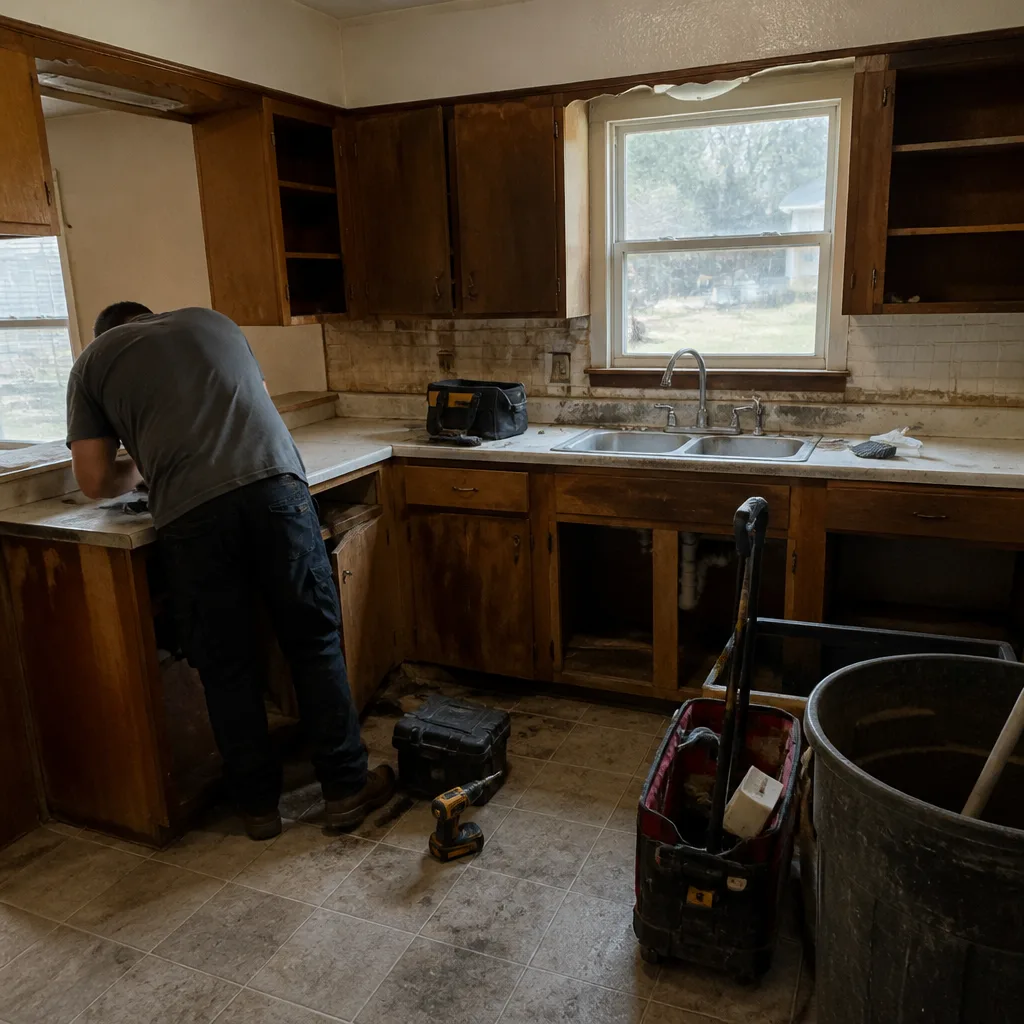
- Hidden conditions. Old plumbing, undersized wiring, or a rotted substrate found after demo. In older Denton homes, this is common enough that a contingency line in the budget and a buffer in the schedule are standard practice.
- Weather on exterior work. North Texas storms and heat push framing and roofing days. A schedule built for exterior work should carry weather buffer.
- Decision speed. The homeowner’s own selections. A delayed tile pick delays the tile setter.
When you plan a bath, our bathroom remodeling in Denton page covers which selections to lock first.
Renovating Older Denton Homes
Denton has a wide age range in its housing stock, from mid-century homes near the downtown square to newer builds out toward the loop. Older homes carry specific timing risks. Galvanized plumbing often needs replacing once it’s exposed, and cast-iron drains can fail a camera inspection. Knob-and-tube or undersized wiring sometimes means an electrical upgrade, which means an added inspection hold.
None of that is a reason to avoid the project. It’s a reason to budget schedule contingency for it. A remodeler who has worked these homes knows to open a wall and check the substrate before quoting a tile job, not after. That single step saves weeks. Our team has technicians with up to 22 years of experience, and that experience mostly shows up in what we check before we promise a date.
For a bigger renovation, the Bradford Remodeling Co Denton home page gives you the full picture of how we run jobs.
Common Mistakes to Avoid
- Signing a contract with no schedule attached. If the timeline isn’t in writing, it isn’t a commitment. It’s a hope.
- Letting permit lead time get absorbed silently. Ask for the application date and review window up front. If a schedule treats permit review as a surprise, expect a surprise.
- Accepting a verbal change order. Every scope change gets a written price and a new date. Verbal changes are how budgets drift and timelines dissolve.
- Ordering cabinets and counters late. Cabinet and counter lead times can run weeks. Lock them at contract signing, not after demo.
- Confusing substantial completion with the final close. Get both dates on paper, and don’t release final payment until the punch list is initialed.
- Ignoring who’s on site. Ask whether the crew is background-checked and uniformed. You should know exactly who’s walking through your door before they arrive.
- Paying in full before the guarantee is handed over. The signed written guarantee is the last deliverable, and it’s the one that matters most.
When to Call a Professional
Call a professional when the project touches structural framing, plumbing or electrical rough-ins, gas lines, or permit-required scope. Those aren’t homeowner jobs, and mistakes there can be dangerous and expensive to unwind. Call us when you’re ready to put a real calendar against your project instead of guessing. Bradford Remodeling Co Denton offers free estimates in Denton, and every estimate comes with a written price before work begins. Phone lines are answered by a live person, day or night. Call (844) 651-3175 to schedule your free estimate.
Frequently Asked Questions
A kitchen remodel in Denton typically takes 6 to 10 weeks from demo to punch-list close, assuming permits are in hand and cabinets are ordered at signing. Add a week or two if plumbing or gas lines move. Call (844) 651-3175 for an exact quote on your scope, and estimates are free.
They should, and a written schedule that omits permit review isn’t complete. Plan review for a kitchen or bath in Denton can take a few weeks, and additions take longer. Ask to see the permit application date in the schedule before you sign.
Substantial completion is the date the space is usable for its purpose, even if minor items remain. The final punch list is the last set of corrections, signed off when every one is closed. Both dates belong in the contract.
No honest remodeler should promise a start before permits and materials are confirmed. A realistic schedule includes permit review, material lead times, and crew availability. What you can expect is a written date and a sequenced trade schedule before any tool comes out.
Permits and inspections are part of every project that requires them. A complete submittal the first time keeps the schedule honest. Learn more about how we handle the full build on our general contractor in Denton page.
Every completed project carries the 365-Day Done Right Promise. If the work fails within a full year, we come back and correct it at no charge. That guarantee is written, and you hold a signed copy at close. Call (844) 651-3175 with any question about coverage.
The Bottom Line

Remodeling duration comes down to a few things you can control by asking for them in writing: a project-type range, a sequenced trade schedule, permit lead time built in, both a substantial-completion and a punch-list close date, and a defined rule for delays. Without those, the timeline lives in someone’s head, and you carry the risk. With them, you hold a calendar you can read and a contractor you can hold accountable. That’s what “squared away” means on paper. Call (844) 651-3175 for a free estimate, and we’ll put your schedule and price in writing before the first tool comes out.
Written by the team at Bradford Remodeling Co Denton.
See the difference
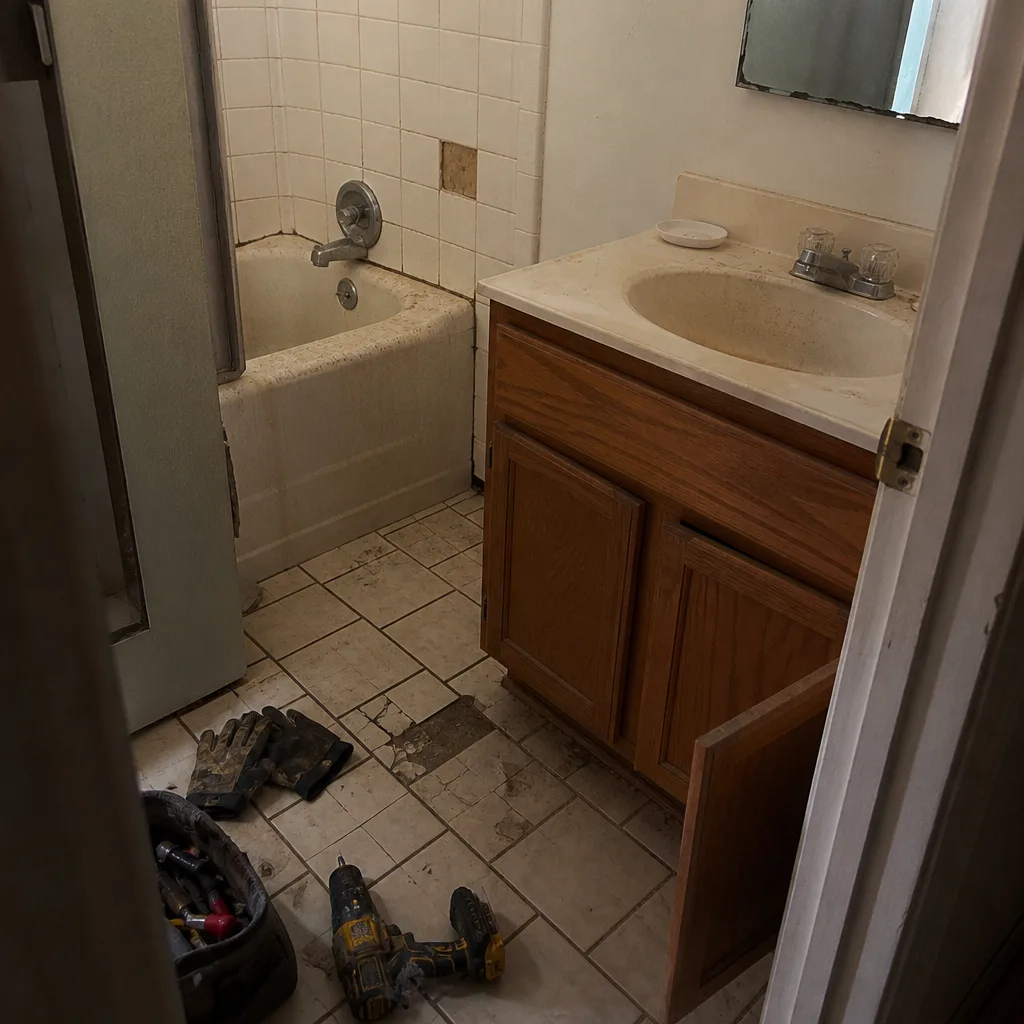 Before
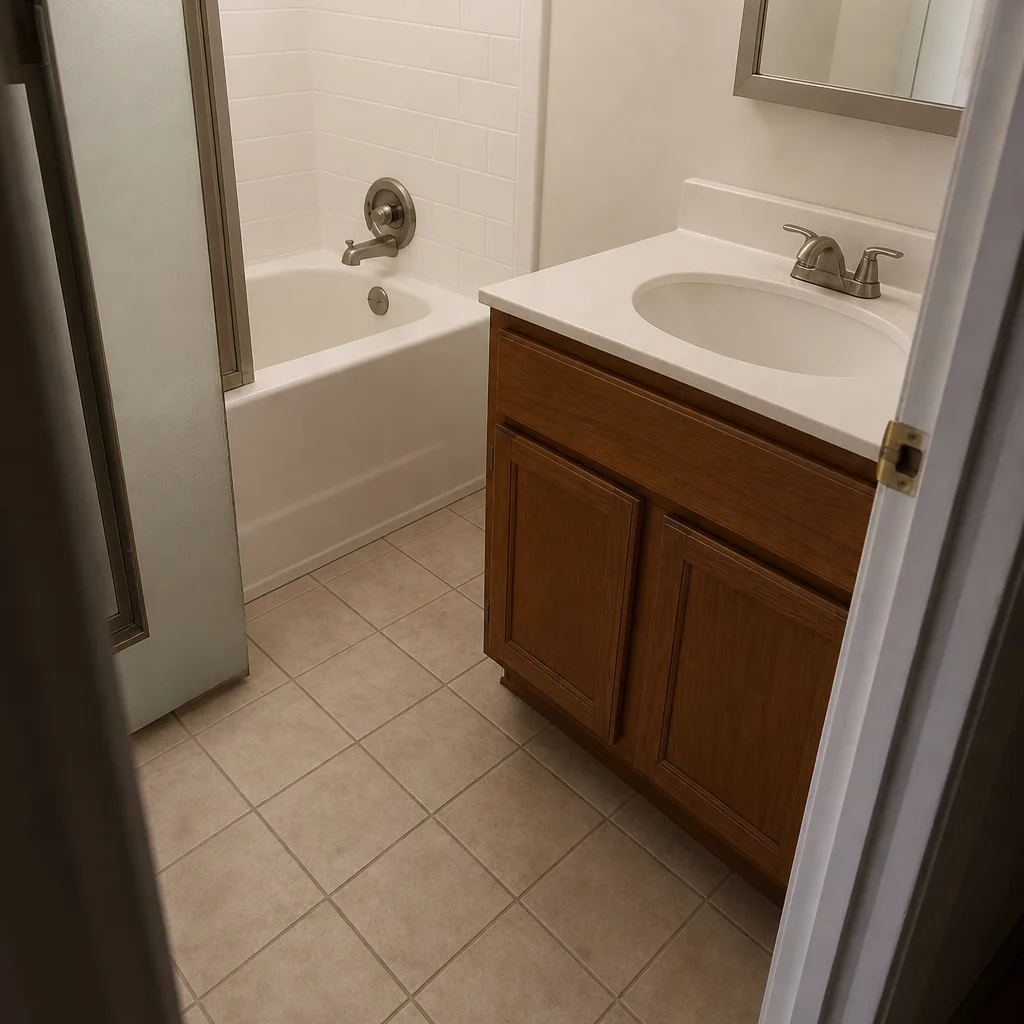 After
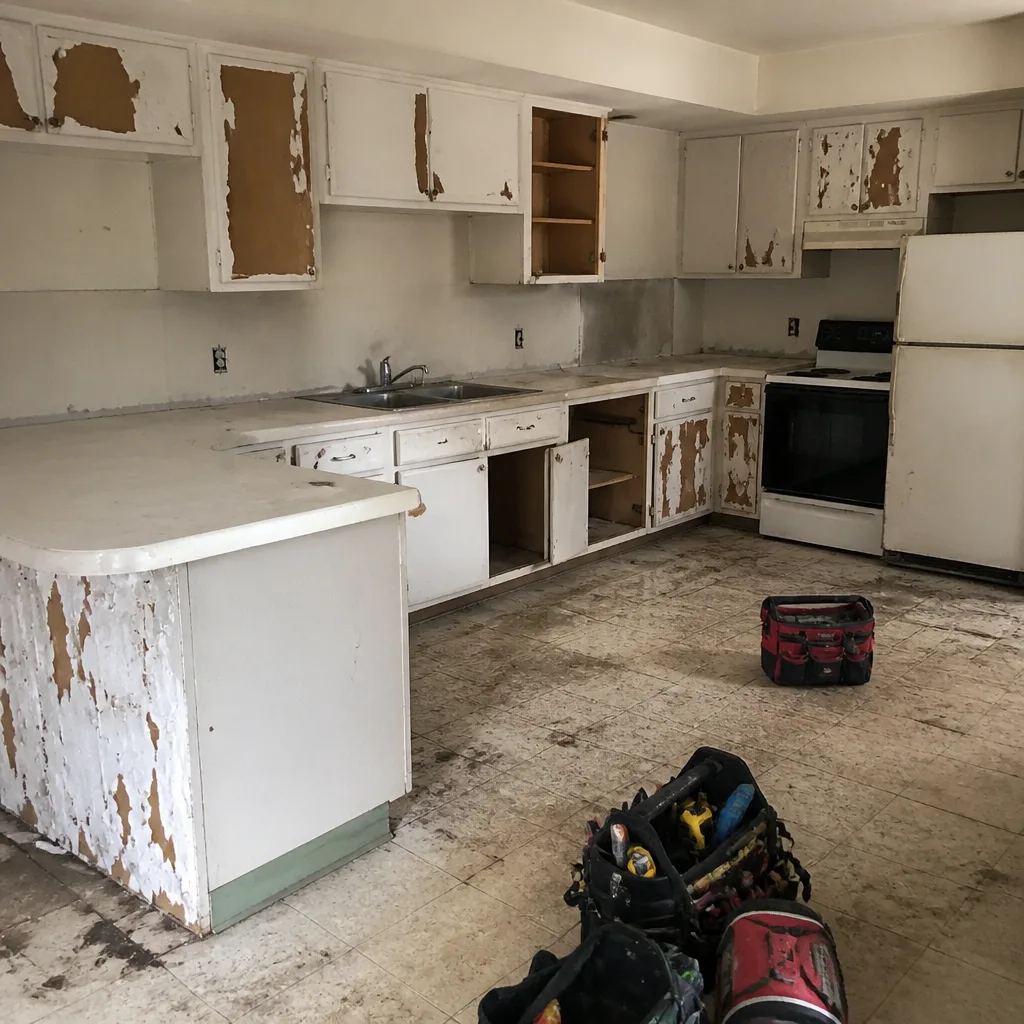 Before
 After
 Before
 After