Last updated November 17, 2026







Free written scope consultation - allowances, timeline, and change-order rules on paper before a single trade is scheduled
The Complete General Contractor Guide for Denton Homeowners
Denton’s Development Services department pulled more than 4,200 residential permits in a recent year, and the homeowners who lose the most time are rarely the ones with the hardest projects. They’re the ones who signed with a contractor before anyone checked how the city’s permit queue and inspection windows would land against their schedule. A permit that sits three weeks waiting for a review slot pushes your cabinets out of the warehouse and your family out of the kitchen. This guide is built from the City of Denton’s actual process: how the portal works, what Texas law requires a contractor to carry, how to read a scope of work for missing line items, and how one written document up front prevents most of the disputes we see in Denton.
Quick Answer
To hire a general contractor in Denton, verify three things before you sign: the contractor pulls permits through the City of Denton’s online portal and schedules inspections themselves, the contract carries a written line-item scope with a fixed price, and the company holds general liability and workers’ compensation coverage that matches what your lender requires. Then ask for the workmanship guarantee in writing. Vague promises about quality aren’t a contract term; a one-year return-and-correct clause is.
Styles & brands we work with
- Kitchen remodeling
- Bathroom remodeling
- Home additions & ADU
- Roofing
- Windows & doors
- Driveway & pavers
- Fence
Table of Contents
- How Denton’s Permit Portal and Inspection Windows Shape Your Start Date
- Subcontractors vs. Day Labor: How to Tell From the Contract
- What Texas Law Requires a GC to Carry vs. What Denton Lenders Require
- How to Read a Scope of Work and Spot Missing Line Items
- Why Written Price and Written Guarantee Prevent Most Disputes
- A Seven-Step Vetting Process for Denton Contractors
- What General Contracting Costs in Denton
- Common Mistakes to Avoid
How Denton’s Permit Portal and Inspection Windows Shape Your Start Date
Denton runs residential permitting through an online portal tied to the city’s Development Services department, and the practical timeline depends on what you’re building. A straightforward kitchen remodel with no structural changes typically moves faster than a whole-home remodel that touches load-bearing walls, electrical service, or the building envelope. Understanding those review windows before you pick a start date is how you keep a project on schedule instead of watching it slip in week two.
Here’s the sequence as it usually plays out in Denton:
- Pre-application check. Your contractor confirms zoning, setbacks, and any HOA or historic-district rules before drawings are finished. Finding a problem here costs a phone call. Finding it after submittal costs weeks.
- Submittal and plan review. Drawings, a scope narrative, and product specifications go through the portal. Reviewers come back with comments, and those comments generate resubmittals. The quality of the original drawings determines how many rounds you go through.
- Permit issuance and inspection scheduling. Once issued, work can begin, but inspections are scheduled against available windows. A rough-in inspection that can’t be booked until next week stops drywall this week.
- Final inspection and close-out. The last step is the one contractors forget to plan for. Budget time for it in the contract schedule.
The inspection scheduling piece is where local knowledge shows. Contractors who pull permits routinely know how to sequence rough-in and framing inspections so the trades don’t idle, and they know that a missed inspection slot can cascade through the entire job. Ask any Denton contractor how they sequence inspections on a typical remodel. The answer tells you more about their experience than a brochure will.
Why this matters to your wallet, not just your calendar
When a permit stalls, subs get rescheduled, and the contractor eats that cost somewhere. Usually it comes back to you as a change order or as work done faster and sloppier than it should be. A written schedule that accounts for permit review and inspection windows is a cost-control document, not just a nicety.
Subcontractors vs. Day Labor: How to Tell From the Contract
There are two kinds of general contractors in Denton. The first has a documented roster of subcontractors they’ve worked with repeatedly: licensed electricians and plumbers, a tile setter, a drywall crew. The second cold-calls day labor when the schedule needs bodies. The first type produces predictable quality. The second type produces surprises, usually after the drywall is up.
You can usually spot the difference on the paperwork before anyone swings a hammer:
- Names and license numbers for electrical and plumbing. Texas requires those trades to hold licenses. A contract that doesn’t name the subs doing the licensed work is hiding something.
- Consistent framing crews. Ask who does the framing and how long they’ve worked with that crew. Vague answers (“we use a few guys”) are a warning sign.
- Written schedules tied to specific trades. A real schedule reads like “framing week one, rough-in week two, inspections week three.” A vague schedule reads like “approximately eight weeks.”
- A single point of contact. A contractor who manages their own subs answers questions directly. A contractor who doesn’t will hand you a phone number and say “call him.”
None of this requires you to become a construction expert. It requires reading the contract and asking who is doing which phase of work. If the answer can’t be given in writing, it isn’t a real answer.
The uniformed and background-checked question
You’re letting strangers into your home for weeks. A company that puts background-checked, uniformed technicians on every job has already done one layer of vetting for you, and you should ask whether that standard applies to subcontractors on the site too. When identity and conduct standards are set at the company level rather than left to individual job sites, the person at your door is expected to be the person on your contract.
What Texas Law Requires a GC to Carry vs. What Denton Lenders Require
Texas doesn’t license general contractors statewide the way it licenses electricians and plumbers, which is why insurance and good faith paperwork matter more here. What the state does require, and what Denton lenders commonly require, are two different lists, and you need both.
What Texas requires (in practice)
- General liability insurance to cover property damage and third-party injury on the job site.
- Workers’ compensation if the contractor has employees. If they’re using uninsured day labor, an injury on your property can land on your homeowner’s policy.
- Licensed electrical and plumbing subs for those specific trades, since those trades are licensed individually.
What Denton lenders typically want for a financed remodel
- Certificate of insurance naming the lender where required.
- A written contract and scope that matches the loan amount and draw schedule.
- Draw schedules tied to completed milestones so funds release against finished work, not promises.
- Signed lien waivers at each draw so you don’t discover a sub wasn’t paid after the job is closed out.
Ask any Denton contractor for their certificate of insurance before you sign. A legitimate operation sends it the same day. If the request produces a story instead of a document, move on. Lien waivers are the quiet killer of financed remodels in this market: they’re the paper trail that proves the subs and suppliers were actually paid, and if your contractor doesn’t produce them, your lender may not release the final draw.
How to Read a Scope of Work and Spot Missing Line Items
A scope of work is a written description of every task, material, and finish in your project. When it’s complete, it’s the difference between a fixed price and an open invoice. When it’s not, it’s where the surprise charges live. Reading it well is the single most useful skill a homeowner can develop before signing.
Here’s what a complete scope includes, line by line:
- Demolition. What comes out, who hauls it away, and whether dumpster cost is included.
- Framing and structural changes. Any load-bearing work, with engineering or drawings referenced.
- Rough-in by trade. Electrical, plumbing, and HVAC rough-in, listed separately with the licensed trade who performs each.
- Substrate and prep. This is the part most amateur scopes skip. Substrate is the base layer under tile, flooring, or cabinets. Prep work like backer board, leveling compounds, and moisture barriers is where a cheap bid gets expensive.
- Materials and brand specifications. Cabinet maker and door style, countertop material and edge profile, plumbing fixture brand and model, exterior cladding and color. A scope that reads “premium cabinets” isn’t a specification. KraftMaid or Wellborn is.
- Finish and trim. Soffit repairs if the ceiling is opened, fascia if the exterior is touched, trim and paint.
- Cleanup and haul-away. Who cleans the site each day, and what happens to leftover material.
- Exclusions. A real scope names what’s not included so you aren’t surprised later.
Read the scope once for what’s listed, then a second time for what’s missing. If your project includes moving a dishwasher or adding an outlet, and those aren’t in the scope, they will show up on an invoice later. That’s not dishonest on the contractor’s part, but it is a cost you didn’t price.
A documented, name-brand material list serves a second purpose: it makes every specification traceable. KraftMaid and Wellborn cabinetry, Cambria and Caesarstone surfaces, Kohler and Moen fixtures, GAF and James Hardie exterior products, Therma-Tru doors, and Belgard hardscaping each carry a manufacturer specification and warranty. When a scope names a brand, the quality question answers itself and the guarantee has something concrete to stand on. Even smaller details like fencing grade and gate hardware are worth naming; a specification that reads ViewLux or Barrette means the material is a known product, not a guess.
Why a Written Price and Written Guarantee Prevent Most Disputes
Most disputes we see in Denton follow one of two patterns. Either the price moved once work started, or the work failed after the crew left and no one could say what the guarantee actually covered. Both come down to a missing document.
The fix is a written price before work starts and a written guarantee before completion. That’s the core of The Garrison Standard, the framework behind every Bradford Remodeling project. Every estimate is line-item, in writing, and doesn’t change at the door. Every completed project carries a full-year written guarantee, the 365-Day Done Right Promise: if the work fails within that window, we come back and correct it at no charge. Not a phone call and a promise. A written commitment you can hold in your hand at close-out, alongside a clean site and a documented scope.
What “squared away” looks like at job close
- The site is clean, swept, and haul-away is complete.
- The scope you signed matches the work that was done, and anything that changed is documented and signed.
- Lien waivers from every sub and supplier are in your file.
- The written guarantee is in your hand, and you know exactly what it covers and for how long.
This is what the no-shows and repriced invoices cost you in real terms: not just money, but the hours you spend chasing answers. Putting the price and the guarantee in writing before a single tool comes out eliminates most of that.
If you want the broader service view behind this guide, our general contractor in Denton page walks through what we do and how we sequence projects. Homeowners planning the two biggest remodels can read the deep dives on kitchen remodeling in Denton and bathroom remodeling in Denton.
A Seven-Step Vetting Process for Denton Contractors
Run this in order. Each step assumes you’ll move to the next only if the answer came back clean and in writing.
- Ask for the certificate of insurance. General liability and workers’ comp. Same-day delivery is the standard, not a favor.
- Ask which permits the project requires and who pulls them. The contractor should pull them; if you’re pulling your own permits, you’re the general contractor and you’re taking on the liability that comes with that.
- Request a line-item scope. Brand names, substrate, prep work, exclusions, cleanup. A one-page paragraph is not a scope.
- Request a written schedule. It should reference permit review windows and rough-in inspection sequencing.
- Ask how inspections are sequenced. A clear answer signals a contractor who runs projects in Denton routinely.
- Ask for the guarantee in writing. Length, coverage, and what a return visit costs. The answer should be one year and free.
- Compare more than the bottom line. Two bids ranging $10,000 apart are not the same job. One has missing line items or a lower-grade substrate. Read both scopes side by side.
That last step is the one homeowners skip most often. The lowest bid usually isn’t a lower price; it’s a shorter scope. If a bid looks 20% under the others, ask what’s excluded. The answer is almost always in the paperwork you weren’t given.
What General Contracting Costs in Denton
Cost varies with scope, and these are ranges we see in Denton’s market for typical residential work. Treat them as budgeting ranges, not line-item quotes. What matters more than any single number is that your contractor gives you a written line-item price before work starts, so every dollar in the range is accounted for.
| Project Type | Typical Range in Denton | Notes |
|---|---|---|
| Kitchen remodel, mid-range | $28,000 – $65,000 | Cabinet line, countertop material, and layout changes drive the swing |
| Bathroom remodel | $18,000 – $40,000 | Tile and substrate work account for much of the range |
| Whole-home remodel | $60,000 – $180,000+ | Structural changes and envelope work move this into higher brackets |
| Structural repair with load-bearing changes | $8,000 – $25,000 | Engineering and permit review add time and cost |
| Exterior cladding or door replacement | $6,000 – $30,000 | Brand and scope dependent; Hardie and Therma-Tru sit at the higher end |
A short list of what else to budget for:
- Permits and plan review are separate line items and usually run several hundred to several thousand depending on scope.
- Draw schedule fees for financed work if your lender charges them.
- Contingency of 10% to 15% for anything discovered after demolition. Old walls surprise everyone, especially in older Denton-neighborhood housing stock.
The written-price commitment is the part that makes these ranges trustworthy. A quote given verbally and a quote put in writing against a signed scope are different documents, and only one of them survives a renovation.
Common Mistakes to Avoid
- Signing before the scope is complete. If the electrical outlet you asked about isn’t in the document, it’s a change order later. Get it in writing before anyone touches the wall.
- Trusting a verbal start date. In Denton, permit review and inspection scheduling decide your start date more than the contractor’s calendar does. A written schedule that accounts for both is the only one worth having.
- Not asking who’s doing the licensed work. If the electrician and plumber aren’t named, you can’t verify they’re licensed. The trades aren’t interchangeable in Texas.
- Skipping the lien waiver conversation. Lenders in Denton often ask for waivers at each draw. If your contractor never mentions waivers until close-out, ask why now.
- Assuming the lowest bid is the same job cheaper. It usually isn’t. It usually means missing line items or a lower-grade substrate. Compare scopes, not just totals.
- Not asking what the guarantee covers. “Fully guaranteed” isn’t a term. One year, written, return visit at no charge is a term.
- Letting the punch list slide. A clean close-out means a completed scope, a signed guarantee, and a clean site. Don’t accept final payment before all three exist.
See the difference
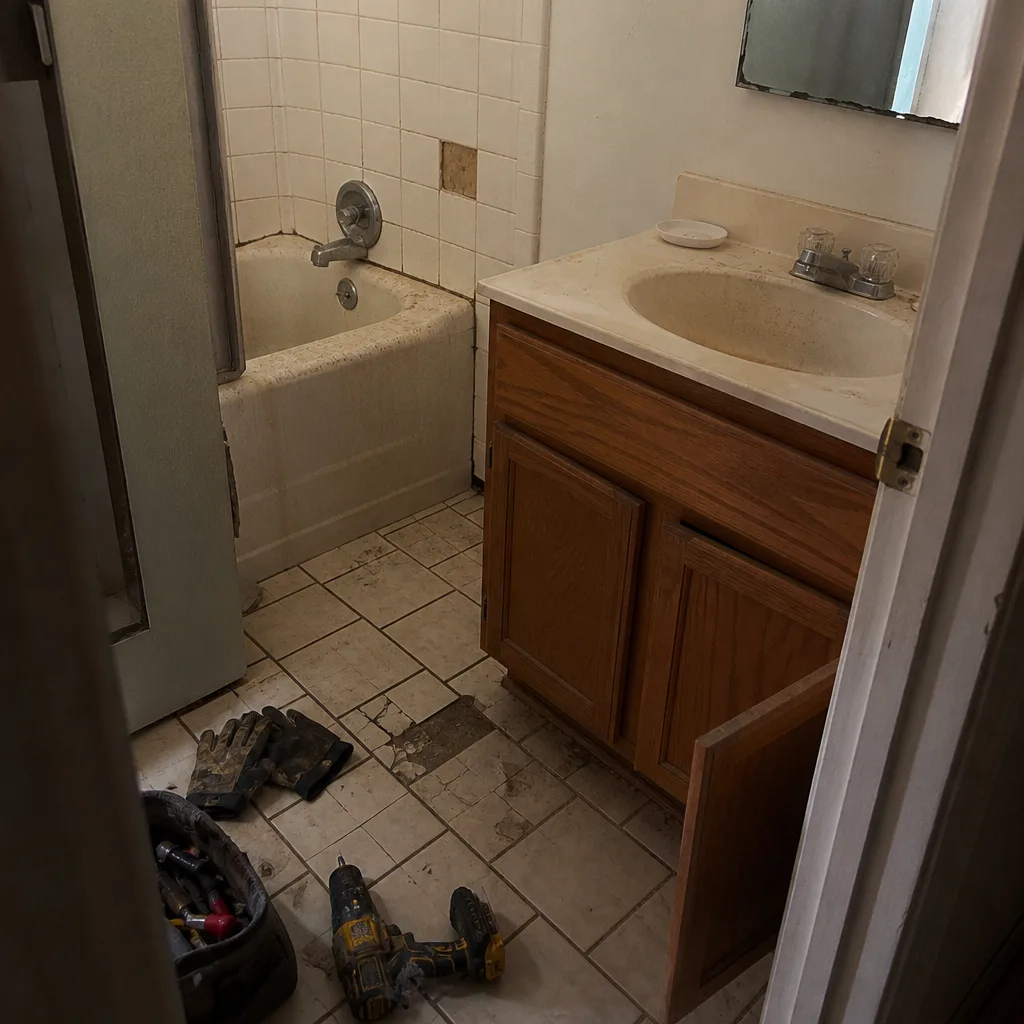 Before
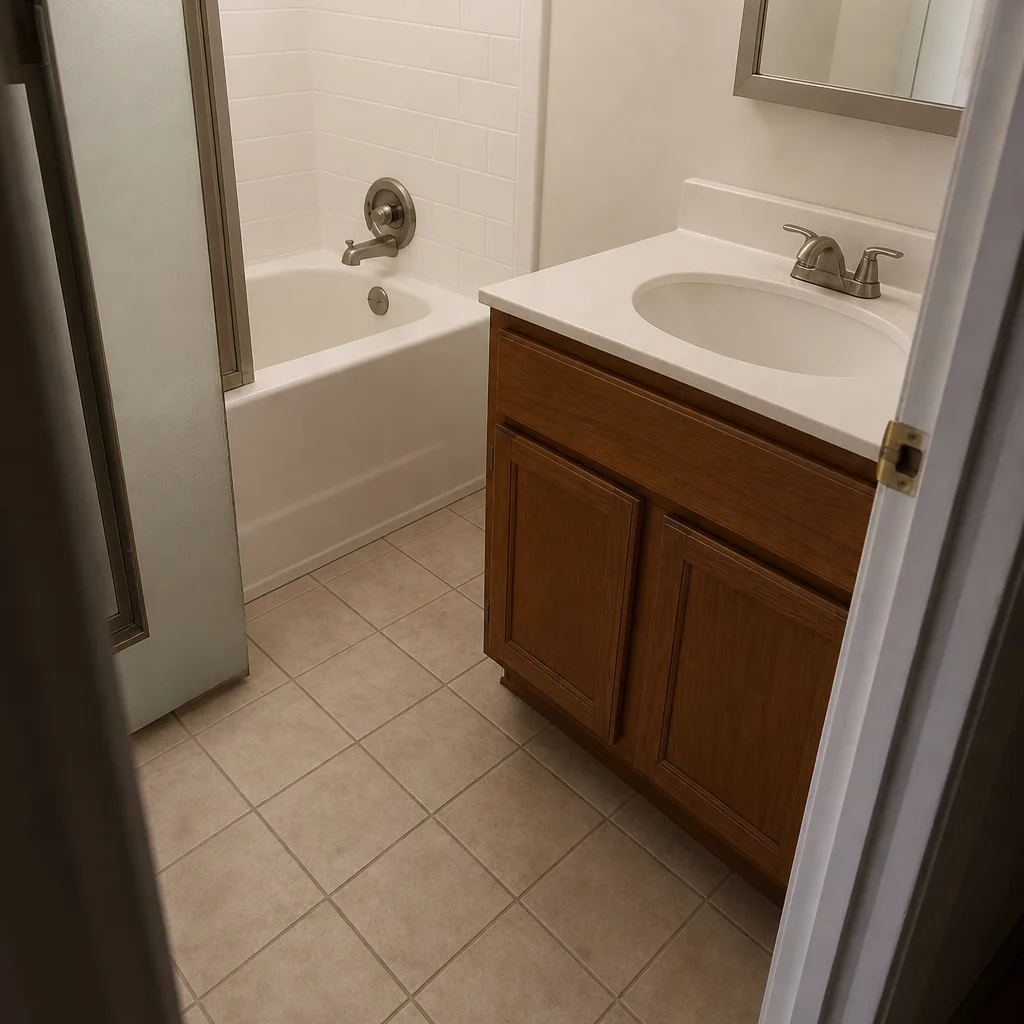 After
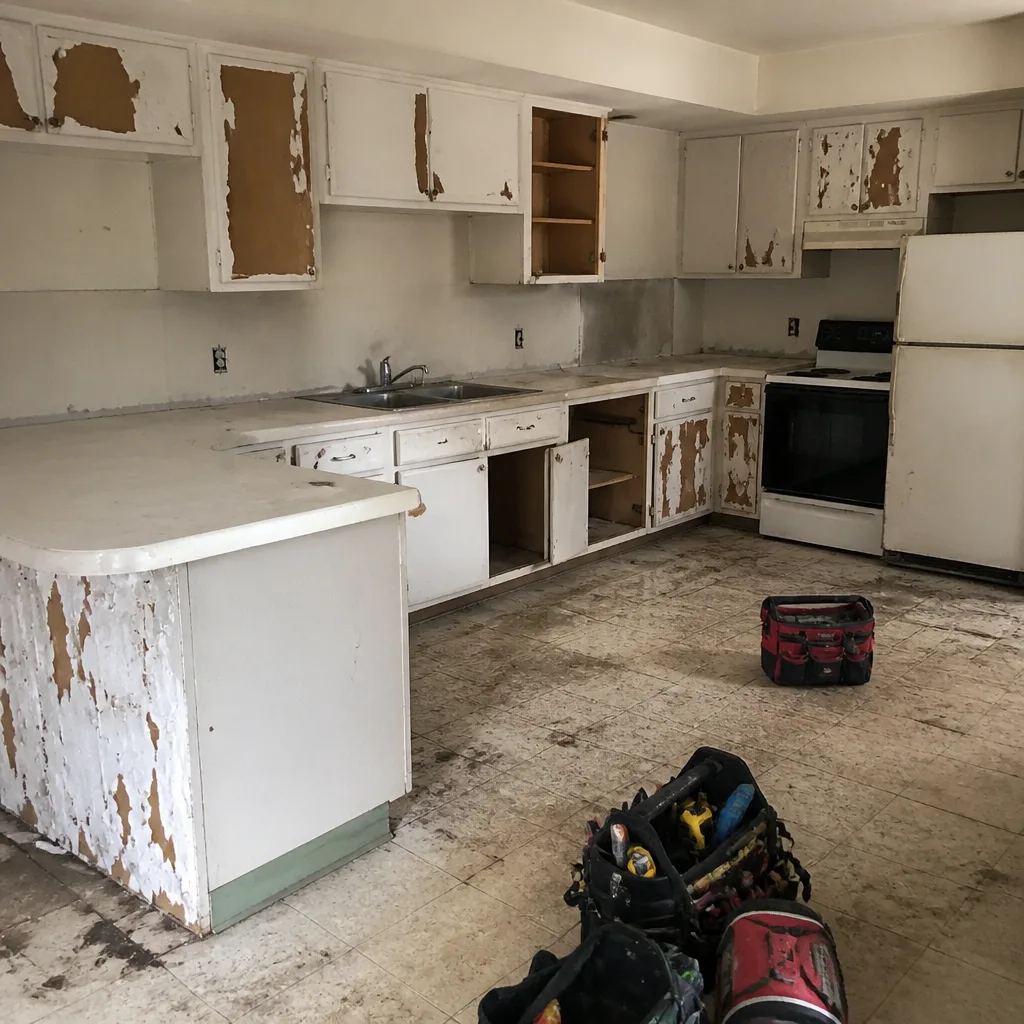 Before
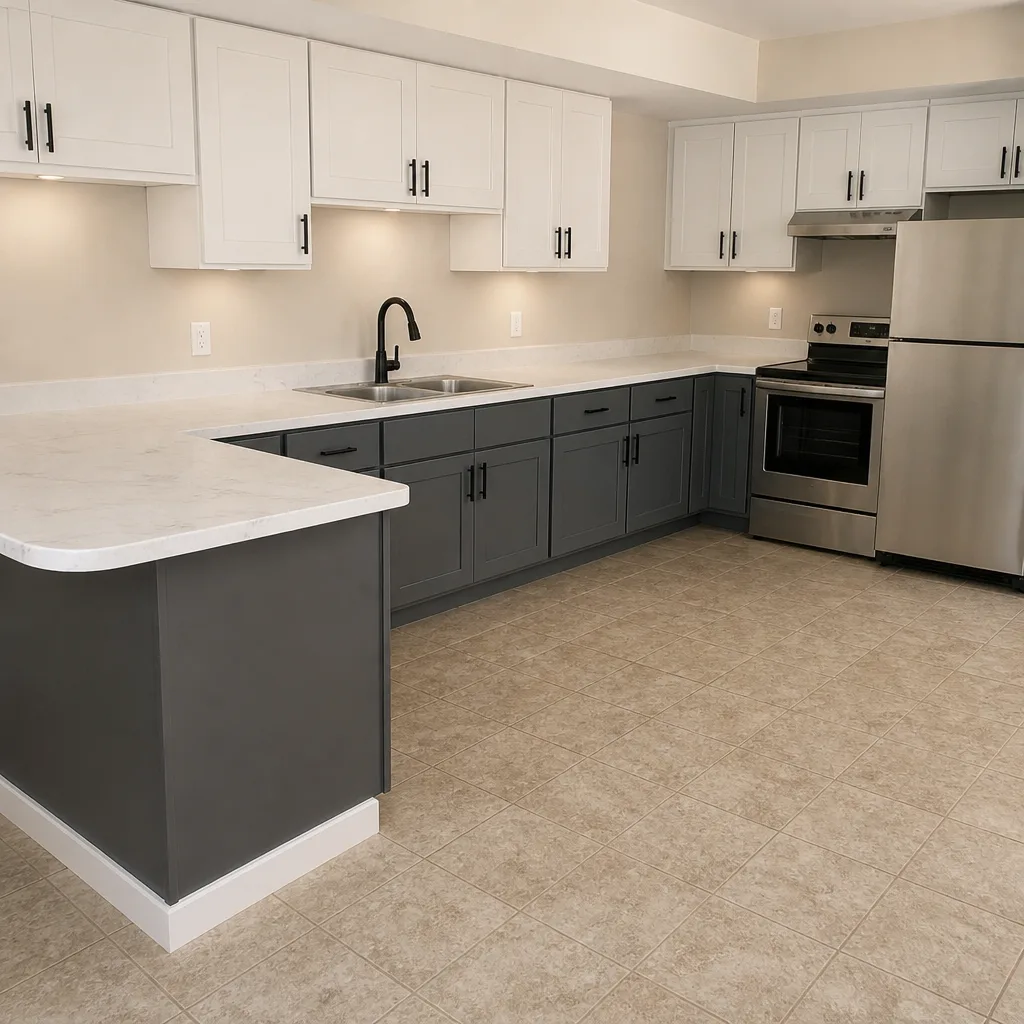 After
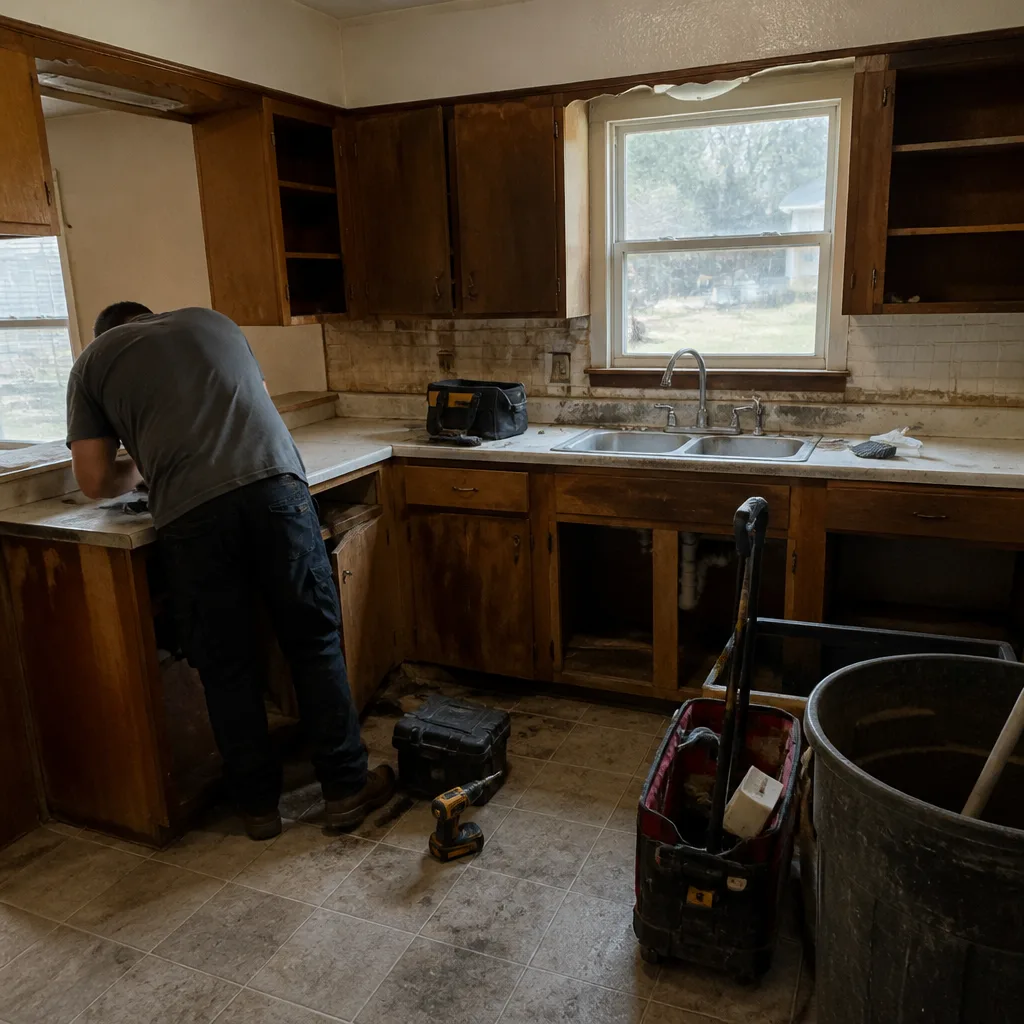 Before
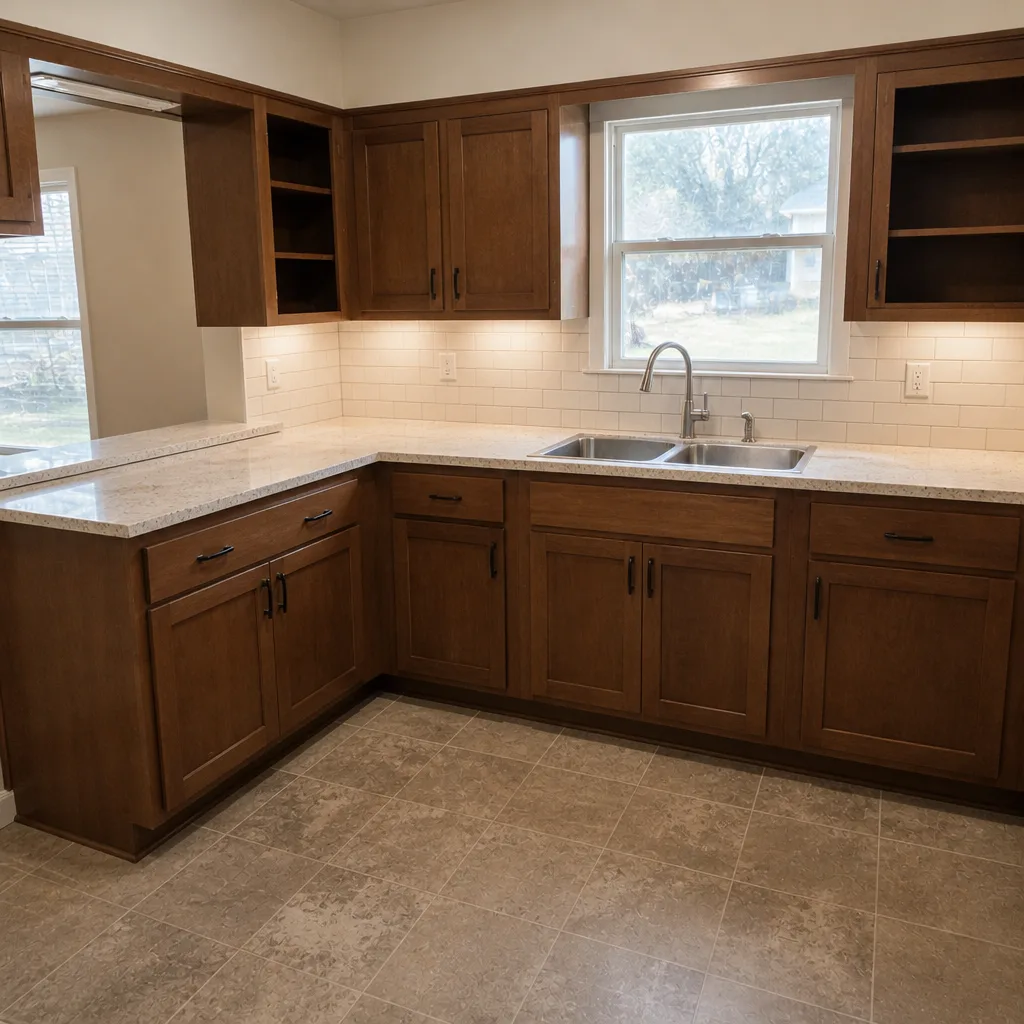 After
When to Call a Professional
Some work should never be a homeowner project. Structural changes to load-bearing walls, electrical service upgrades, gas line work, and roof access all carry real risk and usually require permits and licensed trades. If your plans touch any of those, call a professional. Any remodel that moves plumbing, changes the layout of the kitchen or bath, or opens the building envelope is also worth a general contractor’s eyes, if only to sequence the trades and pull the permits correctly. Bradford Remodeling Co Denton offers free estimates in Denton, and every estimate is a written line-item price before any work starts. For the big-ticket work, the written price and written guarantee matter more than the handshake. Call (844) 651-3175 to schedule yours, and check the Bradford Remodeling Co Denton home page for how the free estimate process plays out from first call to signed scope.
Frequently Asked Questions

Ask for three documents in writing: the certificate of insurance for general liability and workers’ comp, a line-item scope of work naming brands and trades, and the workmanship guarantee with its length and coverage spelled out. Verify the electrician and plumber on the contract hold Texas licenses. A legitimate Denton contractor sends all three the same day without a story attached.
Most structural, electrical, plumbing, and envelope work requires a permit in Denton, and your contractor should pull it. Cosmetic work like paint and flooring usually doesn’t. When in doubt, ask your contractor to confirm with Development Services before work begins; pulling a permit after the fact is far more expensive than pulling it before.
It varies with scope and plan-review volume, but a straightforward residential kitchen or bath usually moves through faster than a whole-home remodel touching structure or the building envelope. The number of comment rounds your drawings generate is the biggest variable. A complete drawing set with clear specifications typically produces fewer resubmittals. Call (844) 651-3175 for a free estimate and a realistic schedule built around the actual review windows.
A general contractor runs the whole project: permits, scheduling, trade coordination, cleanup, and the guarantee. Subcontractors are the licensed trades doing electrical, plumbing, HVAC, and finish work. In Texas the licensed trades hold their own licenses, which is why the GC’s contract should name the licensed subs performing that work. You hire the GC; the GC manages the subs.
It shouldn’t, and with a written line-item price before work begins, it doesn’t. Any legitimate change gets documented and signed before it happens, with a price attached in advance. The surprise invoice problem comes from verbal quotes and incomplete scopes, and Denton homeowners get hit with both. Call (844) 651-3175 for a written price before you commit.
The 365-Day Done Right Promise covers completed work for a full year after job close. If the work fails within that window, Bradford Remodeling returns and corrects it at no charge. It’s in writing, in your hand at close-out, alongside a clean site, a documented scope, and a signed guarantee. Call (844) 651-3175 to schedule a free estimate and see the guarantee before you sign anything.
The Bottom Line
Hiring a general contractor in Denton comes down to three documents and one timeline. The three documents are the certificate of insurance, the line-item scope with brand specifications, and the written guarantee. The timeline is your permit review and inspection sequencing, which decides when work actually starts. Get all four squared away before you sign, and the disputes that catch most Denton homeowners never happen. If a contractor can’t put the price and the guarantee in writing before tools come out, keep looking. That single standard is the difference between a remodel that closes clean and one that follows you for a year.
Written by the team at Bradford Remodeling Co Denton.