Last updated November 17, 2026



Free written scope consultation - allowances, timeline, and change-order rules on paper before a single trade is scheduled
The Complete Guide to Construction in Denton
Denton issued more residential construction permits in a single recent year than it did across the entire 2010 – 2015 stretch combined, and the contractor supply hasn’t come close to matching that pace. That gap is the story of building in Denton right now. It’s also the reason two homeowners on the same block can hire for the same kind of job and end up with wildly different experiences, timelines, and invoices. Some crews are squared away. Some are chasing permits they don’t understand. This guide maps the actual landscape of construction in Denton so you can tell the difference before you sign anything, from the permit desk at City Hall to the setback rules in the Unified Development Code, and everything a contractor’s business card is quietly telling you.
Quick Answer
Construction in Denton runs on two tracks: legacy contractors who are booked out and new outfits racing to keep up with demand, and the permit requirements, code rules, and seasonal labor swings all depend on which jurisdiction your property sits in. The single most important thing a Denton homeowner can do before hiring is check the address against the City of Denton versus ETJ maps and pull the permit history on the city portal, because those two steps reveal more about a property and a contractor than any bid ever will.
Styles & brands we work with
- Kitchen remodeling
- Bathroom remodeling
- Home additions & ADU
- Roofing
- Windows & doors
- Driveway & pavers
- Fence
Table of Contents
- Denton’s Dual Jurisdictions: City Limits vs. ETJ
- Why Contractor Bids Spike from May to August
- General Contractor vs. Home Improvement Contractor vs. Remodeling Contractor
- What the 2022 Unified Development Code Changes Mean for Additions
- How to Read a Denton Permit History Before You Hire
- What Construction Actually Costs in Denton
- What a Squared-Away Job Looks Like at Close
Denton’s Dual Jurisdictions: City Limits vs. ETJ
Two houses can sit a hundred feet apart, look identical from the street, and fall under completely different permit rules. That’s the reality of Denton’s extraterritorial jurisdiction, or ETJ – the band of unincorporated land that surrounds the city and falls under its planning influence without being fully inside the city limits. In Denton, the ETJ stretches out toward Argyle, Krum, and the unincorporated pockets near Sanger, and parcels there often follow county permitting for the building itself while still answering to City of Denton planning standards on subdivision and platting.
Why does this matter to a homeowner? Because a contractor who quotes your addition without checking your jurisdiction is guessing. A fence, a detached garage, or a room addition in the ETJ can trigger a different set of inspections, a different set of setbacks, and a different utility connection process than the same project inside the city. We’ve seen bids come in thousands of dollars apart on identical-looking jobs in the Robson Ranch area versus older parcels out toward Krum, not because one contractor was gouging, but because one of them had actually checked the address.
Here’s how to sort out your own property in about ten minutes:
- Open the City of Denton’s online GIS or planning map and search your address.
- Note whether the parcel is inside the city limits line or in the ETJ hatch pattern.
- If it’s in the ETJ, call the city’s planning department and ask which permits the parcel requires and which go to the county.
- Write down the answer and the name of the person who gave it to you. Any contractor bidding your job should be able to confirm the same thing.
Inside the city limits, most residential work moves through Denton’s Development Services office with a straightforward path: submit, review, inspect, close out. In the ETJ, that path bends. A general contractor who works Denton regularly knows where the line falls. One who doesn’t will find out the hard way, usually after the concrete is poured.
Why Contractor Bids Spike from May to August
Denton has two large universities, UNT and TWU, and both run on enrollment cycles that reshape the local labor market every year. When the spring semester empties out in May, a chunk of the student labor pool that supports framing, drywall, painting, and landscaping crews leaves town or cuts back hours. At the same time, the summer move-in and lease-turnover season hits, and thousands of rental units near campus need turnover work, repairs, and quick remodels before August.
The result is a predictable squeeze. Between May and August, the same kitchen remodel that a Denton contractor would quote in February often comes back higher, and the schedule stretches. It’s not gouging. It’s supply and demand on crews, materials deliveries, and inspection slots all colliding at once. In our experience, homeowners who plan their projects for late fall or early winter consistently see better pricing and faster turnaround than those who start the bidding process in June.
A few practical ways to work around the seasonal crunch:
- Get bids in February or March for a summer project. Lock in pricing before the demand spike.
- Expect 3 – 6 week scheduling delays on non-emergency work from May through August, and build that into your plans.
- Ask every contractor how they staff during the UNT and TWU turnover window. A crew chief with a real answer has done this before.
- If your project has to happen in summer, get the written price in hand early. A written price doesn’t move when demand does.
The flip side is real, too. From September through April, Denton’s construction market loosens up and contractors have more room to schedule carefully. If your project can wait, that window is worth planning around.
General Contractor vs. Home Improvement Contractor vs. Remodeling Contractor
In Texas, the label on the business card isn’t just marketing. It tells you what kind of work the business is set up to handle, what insurance it should carry, and – critically – what kind of recourse you have if something goes wrong. Getting this wrong is one of the most common and most expensive mistakes homeowners make, and Denton’s fast-growing market is full of businesses using the wrong label.
Here’s the plain-English version:
- General contractor: Manages the full scope of a project – permits, subcontractors, scheduling, inspections – and is responsible for the whole job from start to finish. For structural work, additions, or whole-home projects, this is the label you want.
- Home improvement contractor: Typically handles defined, single-trade or light multi-trade work like painting, fencing, decks, or siding. Great for focused improvements. Not set up to pull structural permits or manage a multi-phase build.
- Remodeling contractor: A general contractor who specializes in renovation of existing homes – kitchens, baths, whole-home updates – and understands how to work within existing structures rather than building from a slab.
Why does it matter? Because when a home improvement contractor takes on a project that legally requires a general contractor, you can end up with a job that fails inspection or, worse, work that isn’t covered by the right insurance if something goes wrong. Texas doesn’t have a single statewide licensing board for residential contractors the way some states do, so the label, the insurance certificate, and the written contract are your protection. Ask for all three.
When you’re comparing bids, ask each contractor which category they operate under and whether they’ll pull the permits in their own name. A real general contractor will answer without flinching. A contractor who hedges on that question is telling you something.
What the 2022 Unified Development Code Changes Mean for Additions
Denton rewrote its Unified Development Code, or UDC, in 2022, and the changes reshaped what you can build and where. For homeowners planning an addition, a detached garage, or a backyard structure, the new rules on setbacks and lot coverage are the ones to understand before you spend money on plans.
The most common point of confusion is the setback. A setback is the required distance between your structure and your property line, and it varies by zoning district. Under the updated UDC, several residential districts adjusted their side and rear setbacks, and lot coverage calculations are stricter in some areas than they used to be. If you’re in an older Denton neighborhood like the ones near the downtown square or around the TWU campus, your lot may already be at or near its coverage limit, which means a large addition could require a variance – a formal request to the city to bend a rule – before you can build it.
The practical steps before designing anything:
- Look up your zoning district on the Denton planning map and note the district code.
- Pull the current setback and lot coverage rules for that district from the UDC.
- Measure your existing structures and calculate how much coverage you have left.
- Take those numbers to your contractor before design begins, not after.
A good general contractor will do this homework with you, or confirm your numbers. A contractor who designs a plan first and checks setbacks afterward is setting you up for a variance fight you probably won’t win. We’ve watched additions in the older neighborhoods near UNT shrink by two or three feet on the drawing because nobody checked the rear setback until the permit reviewer did.
How to Read a Denton Permit History Before You Hire
Before you hire anyone, look up the property. Denton keeps a public permit history on its city portal, and reading it is one of the most useful ten minutes you’ll spend on your project. The permit history tells you what’s been built, when it was inspected, and whether the work was closed out properly – and that last part matters more than most homeowners realize.
Here’s what to look for:
- Search the address on the City of Denton permit portal and open the full record for the property.
- Look at each permit’s status. A permit marked “open” or “expired” means work was started or planned but never inspected and closed – a red flag that the previous work may not be code-compliant.
- Check the permit type against the record. A kitchen remodel should show up as a remodel permit with electrical and plumbing sub-permits if those systems were touched.
- Note the contractor name on prior permits. If a business pulled permits on your home, that’s a mark of a contractor who works by the book.
- Ask your new contractor what they found. If they can’t read the history with you, they’re guessing.
An open or expired permit on the property means you may inherit the problem. In our experience, Denton homes built or remodeled during the last big growth push sometimes have incomplete records because a prior contractor walked off the job before the final inspection. That’s exactly the kind of situation where a written contract and a documented scope matter most. If you find incomplete permits, get them resolved in writing with your new contractor before work begins, so you know who’s responsible for what.
What Construction Actually Costs in Denton
Real numbers, not “call for a quote.” Here’s what construction work in Denton typically runs in 2026, based on what we see across the market. These are ranges – your exact price depends on scope, materials, and the property, and any contractor who won’t put a written price in front of you before work starts is a contractor to walk away from.
- Kitchen remodel, mid-grade: $28,000 – $65,000, depending on whether you change the layout or keep the plumbing rough-in where it is.
- Bathroom remodel, full gut to finish: $14,000 – $32,000 for most Denton homes, with premium tile and fixtures pushing toward the top.
- Room addition (200 – 400 sq ft): $220 – $340 per square foot, with foundation, roof tie-in, and MEP work driving the range.
- Whole-home remodel: $95,000 – $200,000+, depending on how much of the structure you keep and how many systems you replace.
- Exterior: fence, deck, or patio with Belgard or Bufftech materials: $6,000 – $28,000, depending on material and square footage.
Two things move the price most in Denton. First, the age of the home. Older homes near the square and around campus often need electrical and plumbing updates once the walls are open, and that’s a real cost a written price should account for. Second, the seasonal squeeze we covered above. Homeowners who plan around the UNT and TWU turnover window in May through August consistently see better pricing than those bidding in the middle of it.
For a full walkthrough of the process, see our Bradford Remodeling Co Denton home page and our General Contractor in Denton service page. When you’re pricing a specific project, get a written, line-item price before any work starts. That’s the only kind of bid worth comparing.
What a Squared-Away Job Looks Like at Close
A finished project should look and feel like a finished project. That’s what “squared away” means to us – not just the work being done, but the whole job closing clean, documented, and guaranteed. Here’s what we think you should be able to expect at the close of any Denton construction job, and what you should ask about before hiring.
- A clean site. Debris hauled off, floors protected, and no leftover material in the driveway or yard.
- A documented scope, signed. The scope you agreed to at the start, the scope you actually got, and every change-order in writing with a price on it.
- A written guarantee in your hand. At Bradford Remodeling Co Denton, every completed project carries the 365-Day Done Right Promise: if the work fails within that year, we come back and correct it at no charge. That’s the guarantee in writing, with a term, on every job.
- A price that didn’t move. The written price before work begins should be the price you pay at close, unless a change order you signed changed it.
We operate under The Garrison Standard, which means the written price, the background-checked technicians, and the guaranteed return visit are built into every job, not offered as an upgrade. Materials on the projects we run come from a documented roster – KraftMaid and Wellborn cabinetry, Cambria surfaces, Kohler and Moen fixtures, GAF and James Hardie exterior products, Therma-Tru doors, and Belgard hardscaping – so specifications are traceable and warranties trace back to the manufacturer. For kitchens specifically, our Kitchen Remodeling in Denton page covers the full sequence from layout to close. Baths follow the same discipline, and you can see the full scope on our Bathroom Remodeling in Denton page.
Ask any Denton contractor you consider: will the close include a signed written guarantee with a full year on it? If the answer is vague, keep looking.
Common Mistakes to Avoid
- Hiring without checking jurisdiction. Buying a bid for a project in the ETJ as if it were inside city limits. Pull the GIS map before you compare prices.
- Bidding in June instead of February. Starting the process in the middle of the UNT and TWU summer scramble. Plan around the May – August peak and lock pricing early.
- Assuming every contractor is a general contractor. Home improvement contractors are not set up for structural permits, and using one anyway can stall your inspections.
- Designing before checking setbacks. Drawing an addition before confirming the 2022 UDC rules for your district. Every foot a setback shrinks your design is money you can’t recover from a finished drawing.
- Skipping the permit portal. Not reading your property’s open and expired permits before hiring. You inherit those problems if nobody resolves them in writing.
- Comparing bids that aren’t the same bid. Pricing one contractor’s written line-item scope against another’s verbal range. Only compare written prices against written prices.
- Accepting a verbal guarantee. A “we stand behind our work” handshake isn’t a guarantee. A written guarantee with a term and a correction commitment is.
See the difference
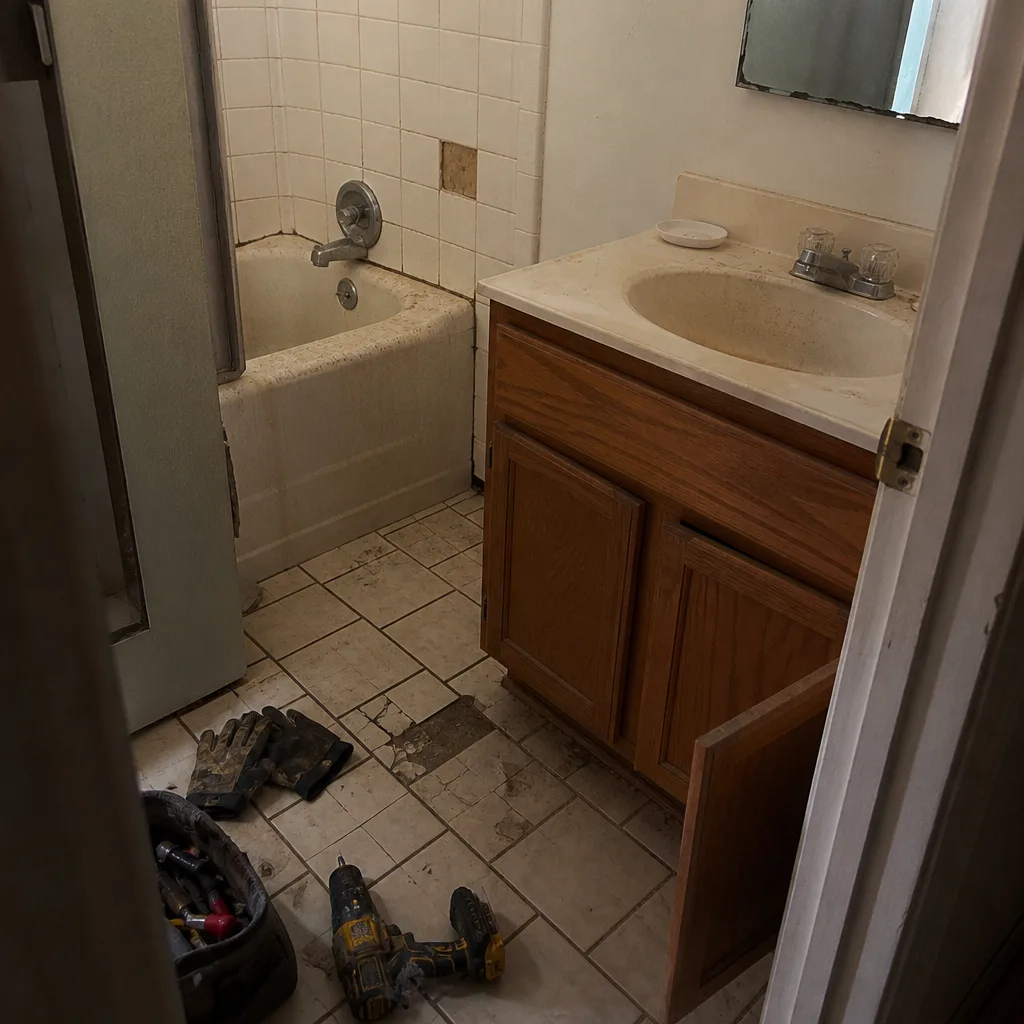 Before
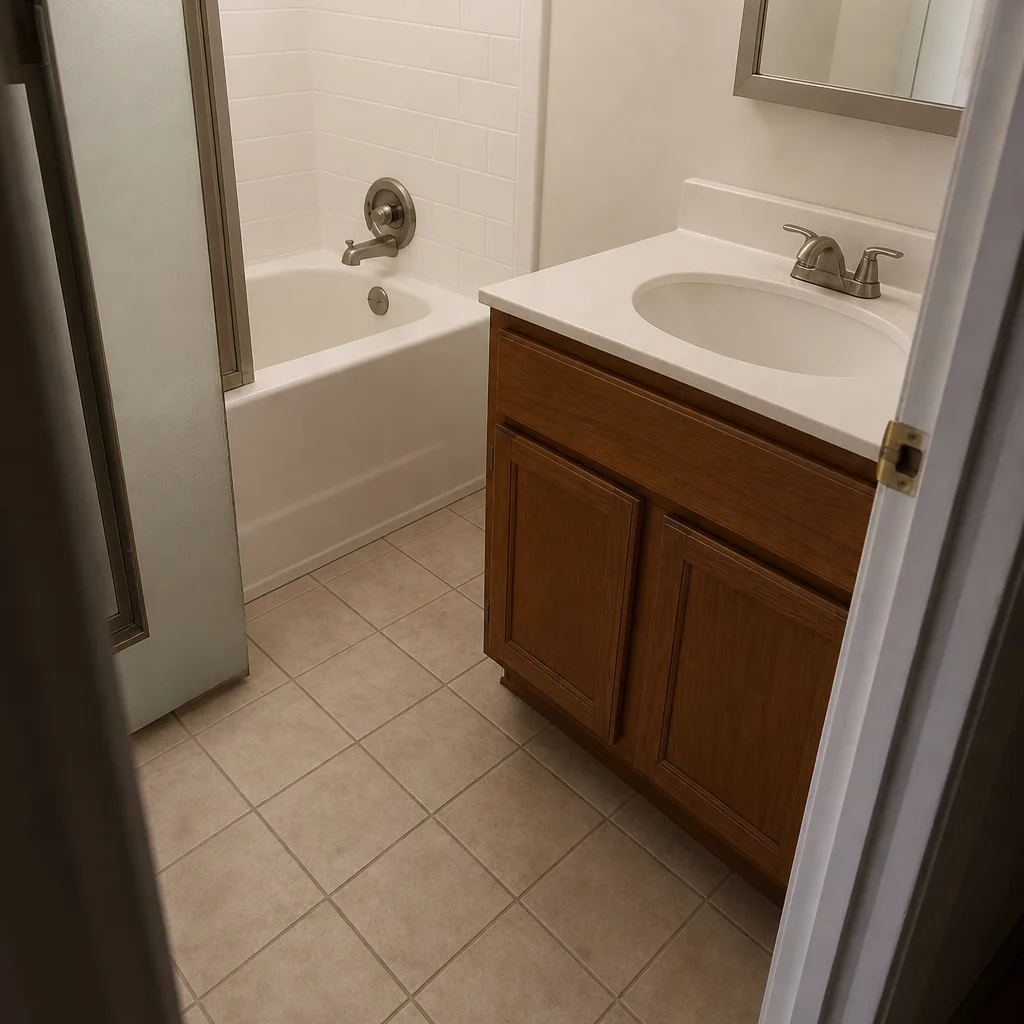 After
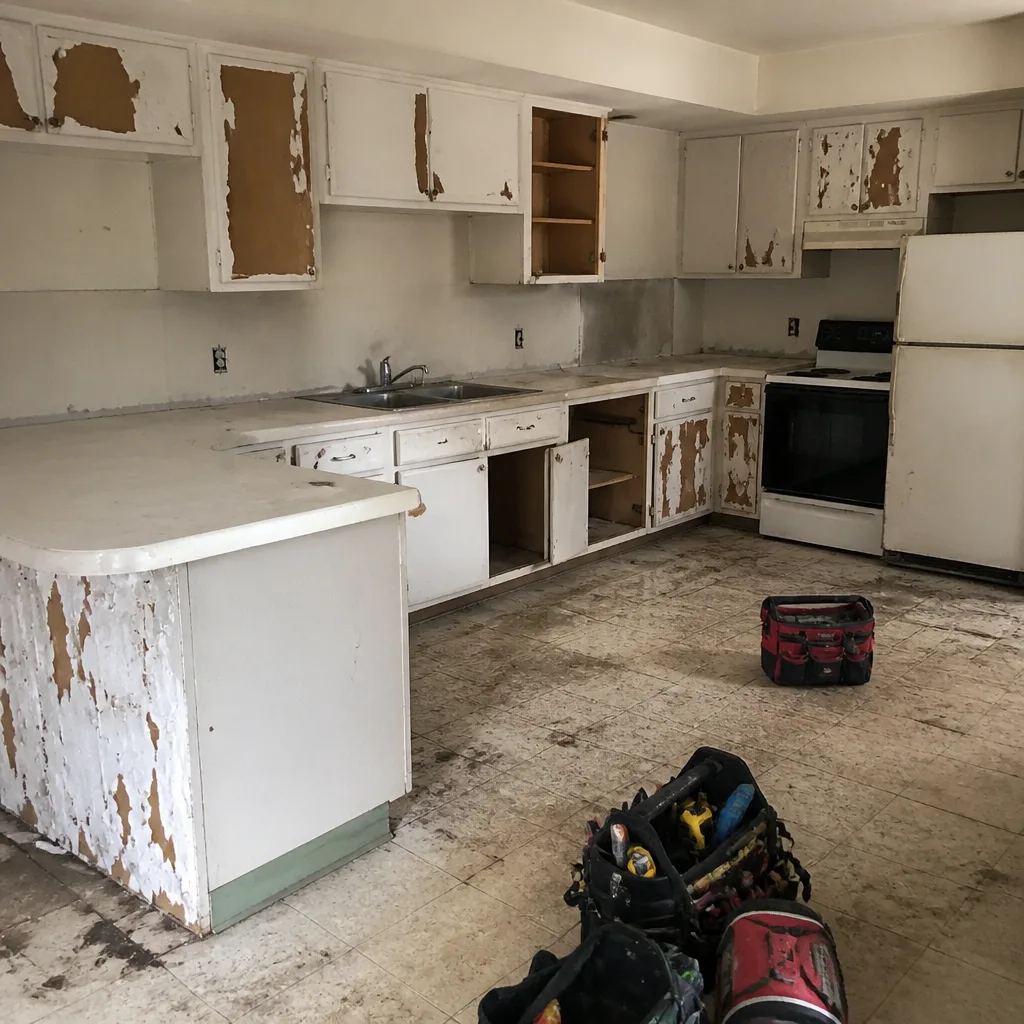 Before
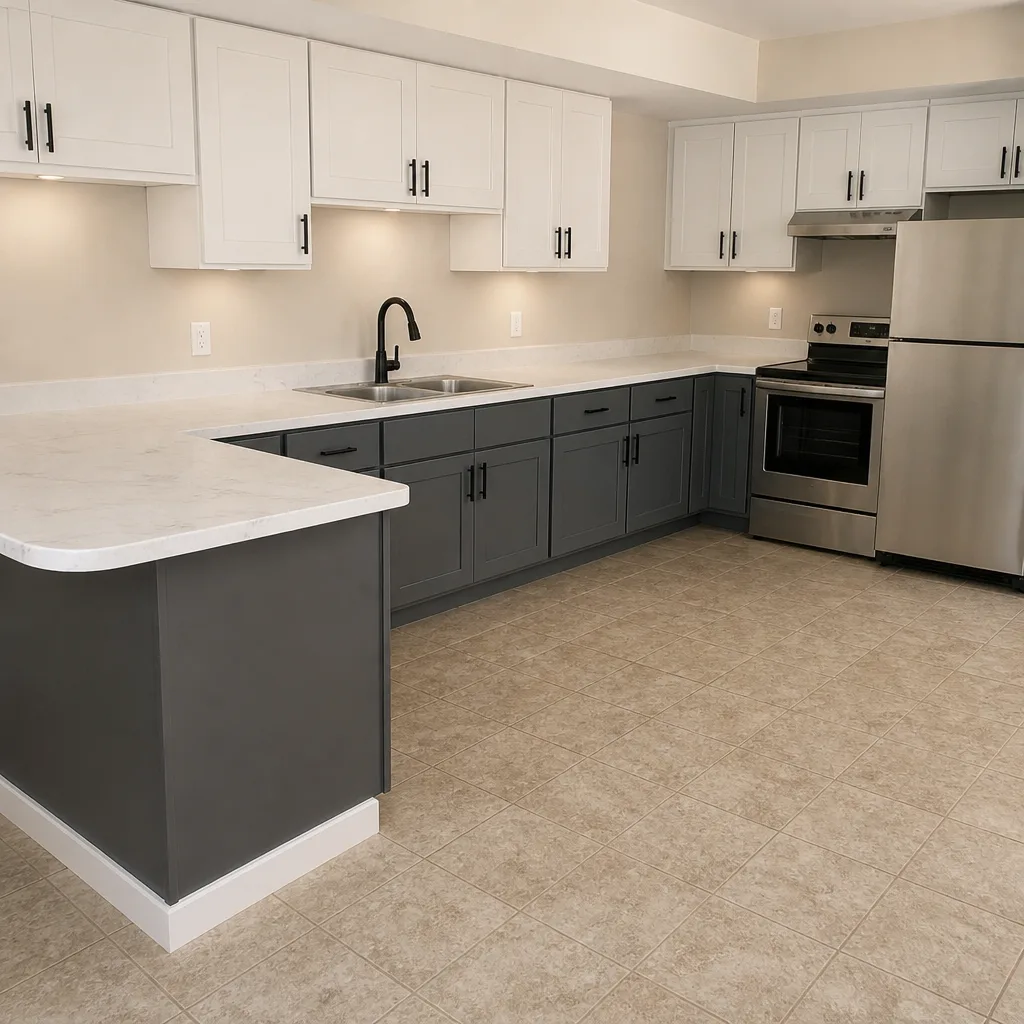 After
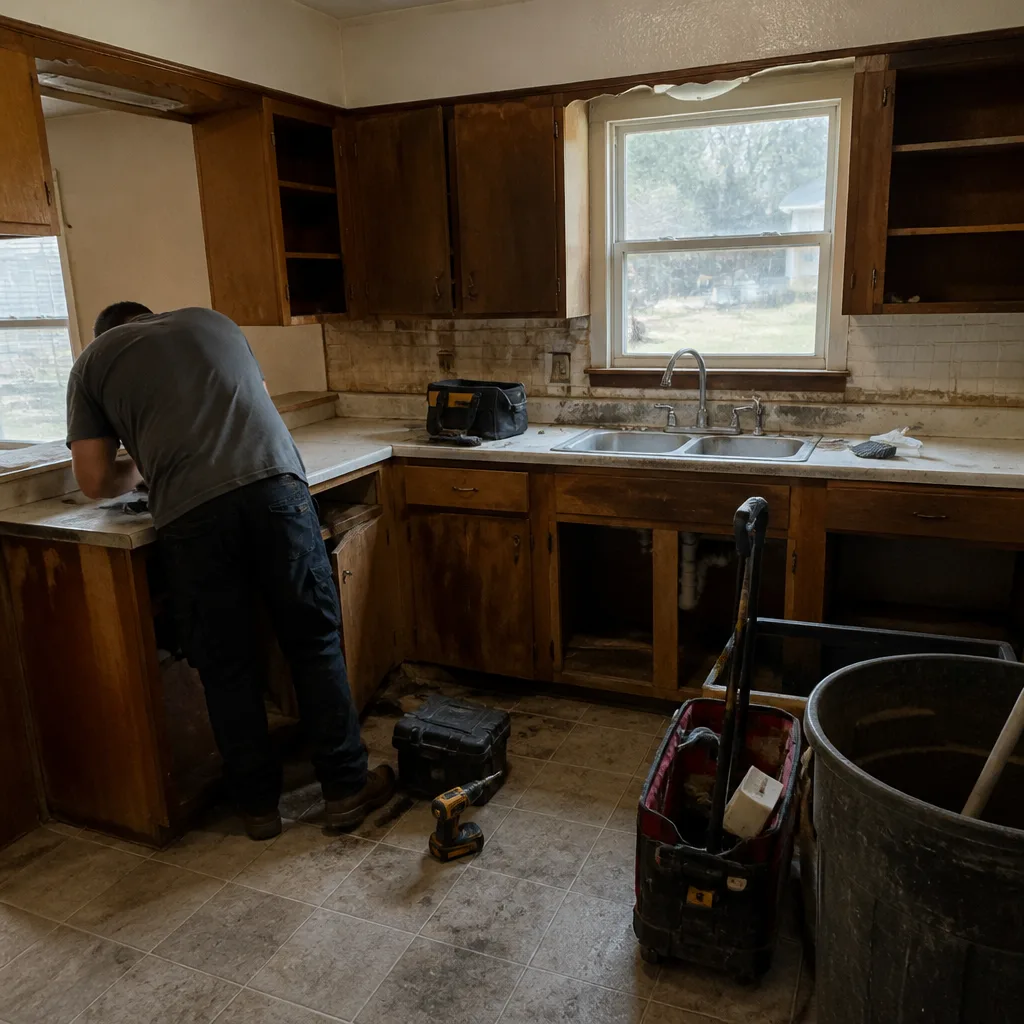 Before
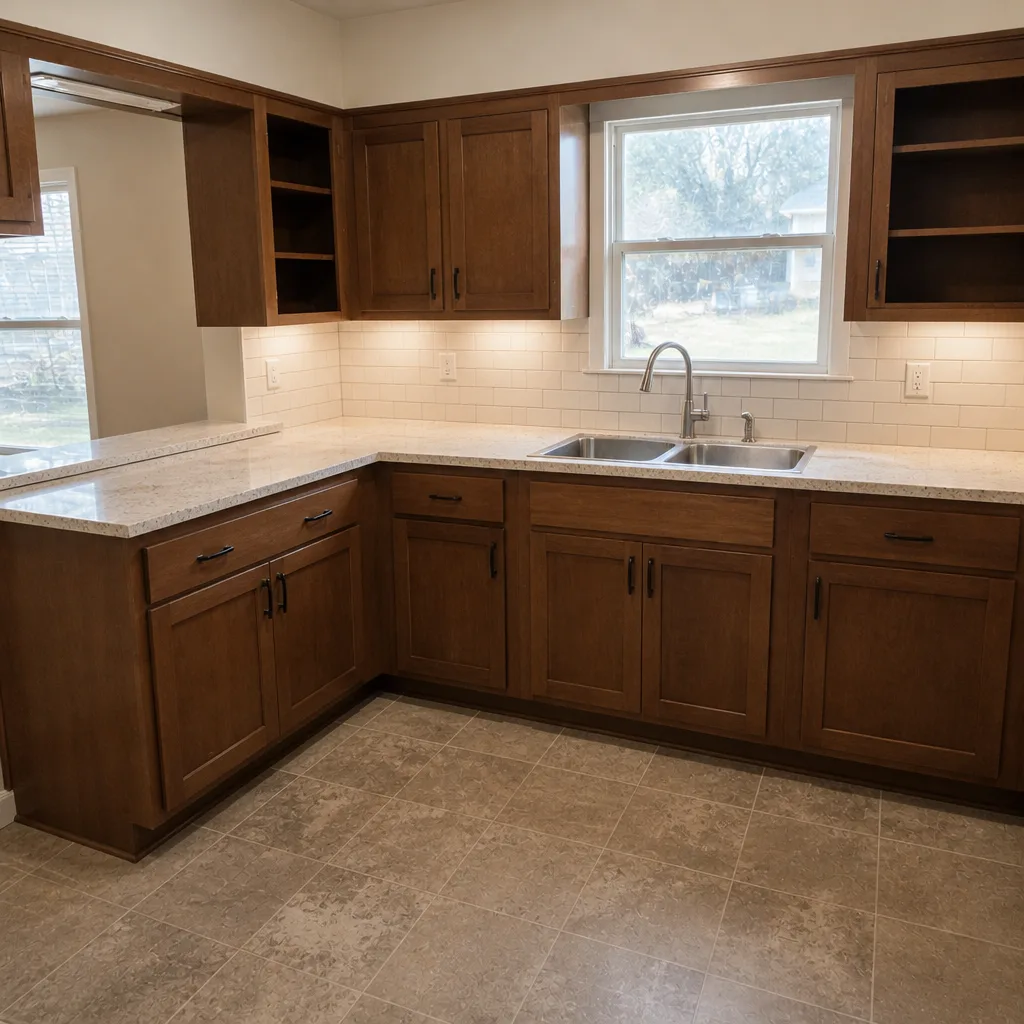 After
When to Call a Professional
Some work in Denton genuinely needs a professional, and knowing where the line falls is part of being a good homeowner. Structural changes, room additions, anything that moves a load-bearing wall, electrical panel work, gas line changes, and any project that requires a permit should go to a licensed general contractor. Roof work and anything on a steep pitch calls for a trained pro for a real reason: falls are the leading cause of serious injury in residential construction, and no homeowner should be up there. The same goes for electrical panel work and gas lines – those systems have little tolerance for error, and a bad connection can be dangerous for years before anyone notices.
At the other end of the spectrum, painting a single room, swapping a faucet, or replacing a fence panel is well within reach for most homeowners. When in doubt, call. Bradford Remodeling Co Denton offers free estimates in Denton – call (844) 651-3175. We’ll tell you plainly whether a job is one a professional should handle and put a written price in front of you if it is.
Frequently Asked Questions
Construction in Denton runs roughly $28,000 – $65,000 for a mid-grade kitchen remodel, $14,000 – $32,000 for a full bathroom remodel, and $220 – $340 per square foot for a room addition in 2026. Exact pricing depends on scope, materials, and the age of the home. Call (844) 651-3175 for a free written estimate on your specific project.
Yes, a room addition requires a building permit in Denton, along with separate permits for any electrical, plumbing, or mechanical work the addition involves. If your property sits in the ETJ, the permit path may differ, so confirm with the city planning department before you design. Call (844) 651-3175 and we’ll walk through the permit requirements for your address with you.
The City of Denton issues permits for properties inside the city limits, while properties in the extraterritorial jurisdiction (ETJ) often follow county permitting for the building itself but still answer to City of Denton planning standards. That means identical-looking homes can face different rules. Call (844) 651-3175 and we’ll confirm which jurisdiction your property falls under before any work is priced.
Late fall through early spring is the best window – roughly September through April – because it avoids the May-to-August spike when UNT and TWU turnover pulls crews away and demand climbs. Bidding in February or March for a summer project locks in better pricing. Call (844) 651-3175 to schedule a free estimate during the quieter stretch.
No, the written price we give you before work starts is the price you pay unless you sign a change order that alters the scope. Every job gets a written line-item price up front, and we don’t move numbers at the door. Call (844) 651-3175 for a written price on your Denton project.
Yes, we pull the permits in our name and manage the inspections through close-out, so you get a clean, documented job with no open permits inherited by the next owner. We confirm the permit path for your specific property first. Call (844) 651-3175 for a free estimate and we’ll explain the permit sequence for your project.
The Bottom Line
Construction in Denton runs at two speeds, and knowing which speed you’re hiring is the whole game. Check your jurisdiction before you bid. Plan around the UNT and TWU summer squeeze. Read your property’s permit history before anyone picks up a tool. Understand which contractor label you actually need. And ask every contractor for a written price and a written guarantee with a real term on it. Those steps protect you better than any single bid, and they’re the reason a squared-away job looks squared away at close. If you want a straight answer to what your project will cost in Denton – with the price and the guarantee in writing before work begins – call (844) 651-3175 for a free estimate.
Written by the team at Bradford Remodeling Co Denton.